 3 citations
,
January 2023 in “Journal of Pharmaceutical Negative Results”
3 citations
,
January 2023 in “Journal of Pharmaceutical Negative Results” This study reports that fluconazole emulgel formulations, using jojoba oil and liquid paraffin, showed effective drug release and improved characteristics for treating skin diseases compared to traditional oral formulations.
 3 citations
,
October 2019 in “Pharmaceutics”
3 citations
,
October 2019 in “Pharmaceutics” This study suggests that newly developed micro-pigment-encapsulated biodegradable microneedles accurately implant pigments in pig cadaver skin, potentially advancing scalp micro-pigmentation methods.
 3 citations
,
September 2018 in “Journal of Biomaterials Science, Polymer Edition”
3 citations
,
September 2018 in “Journal of Biomaterials Science, Polymer Edition” This study found that pyramidal neural precursors best grew neurites on matrigel, while neural stem cells differentiated directionally on aligned fibrin, suggesting the importance of biomaterial selection for cell culture.

This study found that a combination of betulin and cytostatic Namitecan had a statistically significant synergistic effect on solid Ehrlich adenocarcinoma tumors in NMRI mice, and suggests a promising method for administering betulin in in vivo experiments despite its water insolubility.
 2 citations
,
November 2024 in “AAPS PharmSciTech”
2 citations
,
November 2024 in “AAPS PharmSciTech” In this study, researchers found that niosomes, bilosomes, and spanlastic formulations can enhance the oral anticoagulation efficiency of rivaroxaban in rats, with spanlastic ranked as the most effective in prolonging clotting, prothrombin, and tail bleeding times compared to unprocessed rivaroxaban.
 2 citations
,
June 2024 in “International Journal of Drug Delivery Technology”
2 citations
,
June 2024 in “International Journal of Drug Delivery Technology” This review describes advanced drug delivery systems for dithranol aimed at overcoming stability issues and skin irritation seen in conventional formulations, highlighting options like nanoparticles and liposomes for improved psoriasis treatment.
 2 citations
,
December 2013 in “Veterinary dermatology”
2 citations
,
December 2013 in “Veterinary dermatology” This study describes three adult dogs with sebaceous gland dysplasia, reporting that two showed moderate to marked improvement in symptoms with treatment, though ongoing management is required as the condition cannot be cured.
 1 citations
,
October 2025 in “Nano Research”
1 citations
,
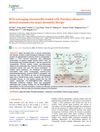
October 2025 in “Nano Research” In this study, researchers developed a dissolvable microneedle patch combining HA-TEMPO and Portulaca oleracea L.-derived nanoparticles, which effectively reduced oxidative stress and inflammation in an atopic dermatitis model while restoring immune balance, suggesting a promising treatment strategy.
 1 citations
,
May 2025 in “International Journal of Applied Pharmaceutics”
1 citations
,
May 2025 in “International Journal of Applied Pharmaceutics” This study formulated a nanogel with Bangkal bark extract that showed moderate antibacterial activity against Propionibacterium acnes, with the F3 formulation (8% extract) achieving the highest inhibition zone of 8 mm, suggesting potential as a natural acne treatment.
 1 citations
,
February 2025 in “Notulae Scientia Biologicae”
1 citations
,
February 2025 in “Notulae Scientia Biologicae” In this study, researchers developed an in-situ gel formulation of antibacterial Levofloxacin for the eye, which showed prolonged drug release, increased residence time, and effective antibacterial action, suggesting it may be a safe and effective ocular delivery system for antibiotics.
 1 citations
,
March 2024 in “Signal transduction and targeted therapy”
1 citations
,
March 2024 in “Signal transduction and targeted therapy” In this review, researchers explored the multifaceted role of NF-κB signaling in various biological processes and diseases, including its interactions with other pathways, and discussed possible therapeutic approaches targeting this pathway for treating conditions like cancer, autoimmune disorders, and COVID-19.
 1 citations
,
August 2023 in “bioRxiv (Cold Spring Harbor Laboratory)”
1 citations
,
August 2023 in “bioRxiv (Cold Spring Harbor Laboratory)” This study explores ear pinna development in mice and reports that elastic cartilage formation is disrupted in a short ear mutant, correlating with increased adult adipocytes and impaired chondrogenesis.
 1 citations
,
December 2022 in “̒Ulūm-i dārūyī”
1 citations
,
December 2022 in “̒Ulūm-i dārūyī” This study found that in a rat model, minoxidil promoted better wound healing through potential anagen hair growth effects, while dexamethasone suppressed wound healing by reducing collagen production.
 1 citations
,
January 2022 in “Pharmaceutical Sciences Asia”
1 citations
,
January 2022 in “Pharmaceutical Sciences Asia” This review highlights the potential of microneedles as a low-cost, well-tolerated method for transdermal drug delivery in dermatology, though further research is needed to establish their clinical efficacy.
 1 citations
,
December 2021 in “Annals of phytomedicine”
1 citations
,
December 2021 in “Annals of phytomedicine” This study found that a herbal hair dye formulated with a 1:2 ratio of henna and indigo successfully colored unpigmented hair dark brown to black, with favorable attributes compared to synthetic dyes.
 1 citations
,
January 2020 in “Qucosa (Saxon State and University Library Dresden)”
1 citations
,
January 2020 in “Qucosa (Saxon State and University Library Dresden)” This paper conducts a scientific evaluation of fine hair issues in American bovine hides and suggests measures to minimize this seasonal problem, particularly in winter production.
 1 citations
,
August 2017 in “Asian Journal of Pharmaceutical and Clinical Research”
1 citations
,
August 2017 in “Asian Journal of Pharmaceutical and Clinical Research” The 1% ethyl acetate fraction ethosomal gel from Nothopanax scutellarium leaves promotes hair growth but can mildly irritate the skin.
 1 citations
,
January 2017 in “Springer eBooks”
1 citations
,
January 2017 in “Springer eBooks” This chapter reviews the hair follicle's role in drug and chemical penetration through the skin but does not present new experimental findings.
 1 citations
,
June 2007 in “Almustansiriya journal of pharmaceutical sciences/Al-Mustansiriyah journal of pharmaceutical sciences”
1 citations
,
June 2007 in “Almustansiriya journal of pharmaceutical sciences/Al-Mustansiriyah journal of pharmaceutical sciences” This study found that a cimetidine 10% cream with sodium lauryl sulphate significantly increased drug diffusion through mouse skin and showed promise in treating warts in a preliminary clinical trial.
 1 citations
,
February 1954 in “Journal of the American Geriatrics Society”
1 citations
,
February 1954 in “Journal of the American Geriatrics Society” Steroid hormones can help treat aging issues and improve health in elderly people.
 July 2026 in “International Journal of Drug Delivery Technology”
 This review highlights novel drug delivery systems for alopecia that enhance localization in the pilosebaceous unit, reduce systemic exposure, and support sustained drug release, with a focus on optimized follicular carriers ranging from 100-300 nm for improved drug residence compared to conventional methods.
 July 2026 in “Clinical Cosmetic and Investigational Dermatology”
 In this study, a liposomal-encapsulated Sesbania grandiflora formulation significantly improved hair and scalp health in adults with hair loss over 180 days, showing enhanced hair density, thickness, growth rate, and tensile strength compared to placebo, with no related adverse events reported.
 June 2026 in “International Journal of Drug Delivery Technology”
 In this review, researchers discussed various novel drug delivery systems, including lipid nanocarriers and polymeric nanoparticles, that may enhance treatment for alopecia by improving drug localization in hair follicles and reducing systemic exposure, potentially offering better outcomes than conventional treatments.
 May 2026 in “AAPS PharmSciTech”
 This study found that PEGylated LUT-Aspasomes significantly improved neuroprotective effects in stressed rats, enhancing spatial memory, reducing depressive-like behavior, and preserving hippocampal architecture better than free luteolin. Additionally, it increased brain delivery and stability, suggesting potential for treating stress-related neurobehavioral disorders.
 April 2026 in “International Journal of Research and Review”
 This article reviews current literature and suggests that managing gout with early urate-lowering therapy, within a 'treat-to-target' strategy, can help prevent systemic complications and address the rising prevalence of hyperuricemia-related diseases.
 April 2026 in “Frontiers in Cell and Developmental Biology”
 This review summarizes the role of G-protein-coupled receptors in wound healing and reports no new clinical results, highlighting their importance in signaling pathways and recent discoveries in their functions.
 April 2026 in “bioRxiv (Cold Spring Harbor Laboratory)”
 This study introduced hydrogel microneedles loaded with palladium nanoparticles, which utilize the inherent cytotoxicity of polyethyleneimine to enhance the effectiveness of doxorubicin in treating melanoma, achieving a tumor inhibition rate of up to 98% in a murine model.

This study reports that a novel ketoconazole-loaded microneedle array significantly enhances drug delivery and retention in the skin, demonstrating improved hair growth in animal models, suggesting a promising treatment for androgenic alopecia that addresses current topical therapies' limitations.
 January 2026 in “Microsystems & Nanoengineering”
 This study analyzed 853 articles to reveal that research on silica-based nanobiomaterials in regenerative medicine has rapidly increased, with distinct regional differences in impact and emerging focus areas in drug delivery and wound healing.
 January 2026 in “Frontiers in Natural Products”
 This study found that combining shikimic acid with Prunus mume fruit extract significantly reduces type I 5α-reductase levels in testosterone-stressed skin sebocytes, surpassing the effects of shikimic acid or standard acne treatments alone, and shows promise for stable, non-irritating acne remedies in cosmetic formulations.