July 2022 in “Zenodo (CERN European Organization for Nuclear Research)” This promotional text advises against certain hair restoration methods near Coral Springs but provides no new clinical research findings.
24 citations
,
June 1999 in “Mechanisms of Development” This study found that ornithine decarboxylase expression is linked to cell proliferation and differentiation in hair follicle development and growth.
14 citations
,
May 2019 in “Chemosphere” This study found that while DP concentrations in dust were higher in male dormitories, DP in hair was higher in females, suggesting differing metabolism between genders and that hair DP mainly originates internally.
 82 citations
,
April 2008 in “Journal of Investigative Dermatology”
82 citations
,
April 2008 in “Journal of Investigative Dermatology” EDA2R gene linked to hair loss.
February 2026 in “Contact Dermatitis” This study reports a case of phytodermatitis in a 58-year-old male due to exposure to Axonopus compressus, commonly known as carpet grass, during open defecation, highlighting an unusual cause of contact dermatitis linked to sanitation practices.
 April 2023 in “The journal of investigative dermatology/Journal of investigative dermatology”
 In this study, researchers found that Derinat treatment in mice maintained the hair cycle in the anagen phase and reduced TRPCs-mediated intracellular ROS accumulation, potentially improving hair growth by altering the skin microenvironment.
 April 2026 in “Frontiers in Medicine”
 This study found that activating hair follicle resident T cells in a human organ culture can induce an alopecia areata-like immune response, and that the drug farudodstat partially reduced this effect.
 June 2024 in “Frontiers in pharmacology”
 This study found that a 2-deoxy-D-ribose gel stimulated hair follicle growth in mice with androgenic alopecia, showing effects similar to minoxidil without additional benefits from combining the two treatments.
 57 citations
,
October 2021 in “Journal of ethnopharmacology”
57 citations
,
October 2021 in “Journal of ethnopharmacology” This review compiled by the authors emphasizes the traditional use of medicinal plants for dermatological disorders in India, highlighting the need for further scientific studies to validate their effectiveness and suggesting potential for drug development based on ethnodermatological practices.
 3 citations
,
January 2022 in “Precision medicine and clinical omics”
3 citations
,
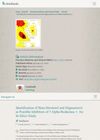
January 2022 in “Precision medicine and clinical omics” This study reports that using molecular docking methods, beta-sitosterol and stigmasterol from Serenoa repens were identified as potential natural inhibitors of the 5AR1 enzyme, which could serve as novel treatments for androgenetic alopecia based on their inhibitory action observed in a laboratory setting.
 September 2025 in “Journal of Health Sciences”
 In this study, researchers developed an antioxidant hair tonic using Dipteryx odorata (cumaru) extract, aimed at treating scalp psoriasis, which could potentially improve quality of life for patients due to its natural anti-inflammatory and antioxidant properties.
April 2024 in “Dermatology The American Medical Journal” This study developed expert consensus guidelines on the safe and effective prescription of low-dose oral minoxidil for treating hair loss by engaging 43 dermatologists from 12 countries in a structured Delphi process, yielding 78 consensus items on safety, efficacy, dosing, and monitoring.
34 citations
,
July 1993 in “The journal of investigative dermatology/Journal of investigative dermatology” This study suggests that androgens influence hair follicle behavior via the dermal papilla, using evidence from human and red deer cells with differing androgen responses as models.
 8 citations
,
August 2015 in “Journal of dermatological science”
8 citations
,
August 2015 in “Journal of dermatological science” This study observed that the topical skin-whitening agent rhododendrol induced skin depigmentation in approximately 16,000 consumers, linked to melanocyte cytotoxicity and immune reactions.
21 citations
,
January 2008 in “Indian Journal of Dermatology Venereology and Leprology” This archive describes the Bioline International platform, which hosted open access journals from developing countries but reports no new research findings.
 October 2024 in “International Journal For Multidisciplinary Research”
 This review highlights that Wedelolactone, a compound in Eclipta prostrata, appears to be a potent antioxidant and selective modulator of proteins linked to chronic diseases, suggesting further research into its pharmacological effects is warranted according to the examined data.
January 2004 in “DOAJ (DOAJ: Directory of Open Access Journals)” This study found no elevation of serum DHEA-S levels in men with androgenetic alopecia and observed no correlation between DHEA-S levels and the clinical stage of the condition.
 October 2024 in “Frontiers in Pharmacology”
 The correction does not change the conclusion that 2-deoxy-D-ribose helps hair regrowth.
July 2024 in “Journal of Investigative Dermatology” Low-dose oral minoxidil is safe for alopecia patients, even those prone to edema.
April 2024 in “Natural Product Communications” This study identified that the pruning woods from Juniperus phoenicea and Juniperus thurifera could serve as renewable sources of bioactive natural products, with compounds like cedrol showing potent antitick and antifungal activities.
 May 2013 in “Reactions Weekly”
 Using minoxidil can cause severe skin reactions in some people.
 June 2026 in “Zenodo (CERN European Organization for Nuclear Research)”
 This case report describes significant improvement in a 23-year-old male with alopecia areata of toxic origin after 10 days of Ayurvedic treatment involving Shamana and Shodhana therapies, as new hair emerged.
20 citations
,
April 2000 in “Experimental dermatology” This study observed that overexpression of the enzyme ODC in transgenic mice caused hair loss and skin changes similar to human papular atrichia, suggesting that ODC might be involved in a critical hair follicle function pathway.
August 2025 in “International Journal of Research in Ayurveda and Pharmacy” In this study, significant relief from symptoms of Darunaka, such as itching and dryness, was observed in a 14-year-old patient following treatment with an Ayurvedic formulation made from mango seed and Terminalia chebula powders.
52 citations
,
March 1987 in “Journal of the American Academy of Dermatology” This study found that men with rapidly progressive male pattern baldness had elevated serum dehydroepiandrosterone sulfate levels, suggesting that adrenal hyperactivity may contribute to alopecia in genetically susceptible young men.
 April 2024 in “Communications biology”
 The researchers reported that disrupting ATRA signaling by deleting RDHE genes in the hair follicle led to altered hair follicle cycles, composition, and gene expression, indicating RDHEs' role in hair follicle signaling coordination.

This study described a 15-year-old male with axillary hair infection, successfully treated with topical clindamycin.
February 2025 in “JDDG Journal der Deutschen Dermatologischen Gesellschaft” This study reports a case where a patient with both psoriasis and alopecia universalis experienced regrowth of scalp and body hair after treatment with Deucravacitinib, a TYK2 inhibitor, suggesting potential effectiveness but recommending controlled studies to confirm this finding.
4 citations
,
July 1987 in “Dermatologic Clinics” 25 citations
,
January 1983 in “Archives of dermatology” This article reviews the early establishment of dermatology as a specialty in the U.S. and documents the initial descriptive errors in understanding Darier's disease, offering no new clinical data.