 3 citations
,
September 2020
3 citations
,
September 2020 This study found that the medication dyclonine has a potent inhibitory effect on the TRPV3 channel, effectively rescuing cell death and alleviating pruritus symptoms in a mouse model with gain-of-function TRPV3 mutations, suggesting potential for treating skin inflammation.
4 citations
,
October 2024 in “International Journal of Molecular Sciences” This study found that chitosan nanoparticle-encapsulated Cordyceps militaris significantly reduced inflammation and oxidative stress in particulate matter-exposed mice, suggesting potential use for managing lung inflammation.
December 2021 in “Morphologia” This article reviews the characteristics and therapeutic potential of neural crest cells from various sources, including embryonic and mature stem cells, but reports no new experimental results.
22 citations
,
April 2010 in “Journal of Cellular Biochemistry” This study concluded that the hairless protein interacts with the vitamin D receptor to repress transcription crucial for hair cycling, employing multiple protein interfaces and modulating chromatin structure.
 43 citations
,
September 2014 in “Molecular Plant”
43 citations
,
September 2014 in “Molecular Plant” This study found that the signaling peptide CLE40 and receptor proteins CLV2 and CRN regulate root meristem differentiation through two distinct, antagonistic pathways activated by CLE40 in a dose-dependent manner.
 September 2025 in “Dietary Supplements and Nutraceuticals”
 In this study, the authors reported that Cerebronal® supplementation for three to six months may modulate certain biomarkers associated with neurodegeneration and brain repair in individuals with memory problems.
 December 2024 in “Kırıkkale Üniversitesi Tıp Fakültesi Dergisi”
 This study found that chromosomal microarray analysis identified copy number variations in 12% of patients with dysmorphic features and congenital anomalies, demonstrating its potential as a diagnostic tool, especially for rare CNVs and immune deficiency linked to the deletion of CTLA4.

This thesis found that desmoplakin mutations in cardiocutaneous syndrome are linked to dose-dependent disease severity and identified mechanisms by which KLHL24 mutations cause cardiomyopathy, with rescue experiments successfully preventing this phenotype in patient-derived heart tissues.
 16 citations
,
March 2016 in “The journal of investigative dermatology/Journal of investigative dermatology”
16 citations
,
March 2016 in “The journal of investigative dermatology/Journal of investigative dermatology” In this study, researchers observed that a noncanonical mechanism involving the γ-secretase-dependent, RBPj-independent Notch intracellular domain improves survival in Msx2-Cre mice by delaying hair follicle destruction and reducing disease severity.

Men with CCCA often face delayed diagnosis and severe hair loss, highlighting the need for earlier recognition and treatment.
January 2017 in “프로그램북(구 초록집)” This report describes a case of acquired trichorrhexis nodosa in a woman with severe iron deficiency anemia, highlighting a possible link between the two conditions.
June 2020 in “Journal of Investigative Dermatology” Hair shaft malformation contributes to Central Centrifugal Cicatricial Alopecia.
April 2008 in “Faculty Opinions – Post-Publication Peer Review of the Biomedical Literature” The vitamin D receptor helps control hair growth and may protect against certain skin tumors.
3 citations
,
June 2025 in “Gyemyeong uidae haksulji” This review suggests that PDRN shows promise as a safe and versatile regenerative agent for wound healing and other dermatological applications, based on its dual mechanisms and clinical evidence of efficacy.
2 citations
,
March 2023 in “Journal of Public Health in Africa” This study reported that using a Nanostructured Lipid Carrier with a combination of beeswax and oleum cacao improved the characteristics of candlenut oil and enhanced hair growth activity in rats.
 June 2020 in “bioRxiv (Cold Spring Harbor Laboratory)”
 This study found that the HoxC gene cluster is crucial for the development of hair and nails in mice, with key regulation by two mammalian-specific enhancers.
 April 2025 in “ACS Applied Nano Materials”
 In AGA mouse models, this study found that the combination of nickel–copper nanozymes and minoxidil in dissolvable microneedles significantly enhanced hair regeneration and improved the hair follicle microenvironment by reducing reactive oxygen species and increasing vascular density, compared to minoxidil alone.
 32 citations
,
June 2017 in “Journal of Pharmaceutical Sciences”
32 citations
,
June 2017 in “Journal of Pharmaceutical Sciences” This study found that coating liquid crystalline nanoparticles with chitosan significantly enhanced the skin permeation of 5α-reductase inhibitors, suggesting a promising strategy for improving topical delivery in androgenetic alopecia treatment.
 April 2017 in “Journal of Investigative Dermatology”
 This study identified the dermal sheath as a key component of the hair follicle niche, essential for outer root sheath regression during the hair cycle, highlighting its importance in hair follicle support and regulation.
July 2024 in “Journal of Investigative Dermatology” This study found that systemic treatment with DS77754007, a KLK5 inhibitor, improved skin symptoms in a mouse model of Netherton Syndrome more effectively than certain antibody treatments, suggesting KLK5 inhibition as a promising therapeutic approach for this condition.
 November 2022 in “Journal of Investigative Dermatology”
 This study found that non-balding dermal papilla cells emphasized extracellular matrix organization and reduced inflammation when cultured in 3D or with adipose-derived stem cells, unlike balding cells which maintained inflammatory pathways.
18 citations
,
January 2022 in “Nutrients” This review discusses potential agents, including acetyl-L-carnitine and vitamins, for repurposing in managing chemotherapy-induced peripheral neuropathy and reports no clinical results; the authors emphasize the need for further research.
 October 2023 in “The American Journal of Gastroenterology”
 This case report describes chronic iron deficiency anemia in a patient with Cronkhite-Canada syndrome, highlighting the need for more data to guide treatment and cancer surveillance due to its rarity and mortality risk.
2 citations
,
June 2022 in “International Journal of Molecular Sciences” This study found variable outcomes in hair loss treatment with autologous cell-based therapy using DSC cells, with certain gene markers showing inconsistent correlations with treatment efficacy.
1 citations
,
March 2024 in “Life” In this study, researchers identified specific clinical and dermoscopic features of chronic radiation-induced dermatitis in 32 head and neck cancer patients treated with radiotherapy, and determined age, gender, and prior surgery as independent risk factors for developing this skin toxicity.
22 citations
,
September 2003 in “Journal of Investigative Dermatology” This study analyzed patients with X-linked dominant chondrodysplasia punctata and identified novel mutations in the emopamil-binding protein gene, highlighting the need for genetic testing alongside biochemical analysis for accurate diagnosis.
2 citations
,
February 2024 in “International Journal of Molecular Sciences” This study reported that in a mouse model, Negative Pressure Wound Therapy promotes wound healing by modulating inflammatory responses and increasing dickkopf-related protein 1, which encourages the differentiation of Hair Follicle Stem Cells into epidermal cells.
 May 2024 in “Animal genetics”
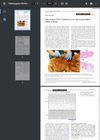
 The researchers investigated a Maine Coon cat with suspected classical Ehlers-Danlos Syndrome and discovered a heterozygous deletion in the COL5A1 gene, underscoring the value of whole-genome sequencing for precise veterinary diagnostics.

In this study, a pH-responsive microneedle patch was developed, showing potential in rat models for treating spinal cord injuries by reducing inflammation, promoting nerve regeneration, and supporting neurogenesis, which contributed to improved motor and neurological recovery.
 7 citations
,
June 2016 in “Bone Research”
7 citations
,
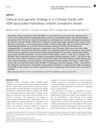
June 2016 in “Bone Research” In this study, a Chinese Han family with hereditary vitamin D-resistant rickets was found to have a homozygous missense mutation in the VDR gene, and the affected individual uniquely responded well to treatment with oral calcium and low-dose calcitriol.