January 2012 in “Journal of Beijing Normal University” In this study, canna was identified as the most effective plant for water purification in eutrophic conditions, supplemented by reed, with significant differences in pollutant absorption among the five plant species tested.
 51 citations
,
January 2001 in “Biological & Pharmaceutical Bulletin”
51 citations
,
January 2001 in “Biological & Pharmaceutical Bulletin” This study found that the aqueous ethanol extract of Myricae Cortex demonstrated in vitro testosterone 5alpha-reductase inhibitory activity and in vivo anti-androgenic effects in mouse and hamster models.
 July 2000 in “Hair transplant forum international”
 This meeting focused on the business aspects of hair restoration surgery and does not report new clinical research findings.
November 2022 in “Zenodo (CERN European Organization for Nuclear Research)”  June 2025 in “Natural Product Communications”
 This study successfully synthesized novel cercidin analogues from Cercidophyllum japonicum, confirming their structure via NMR data. The researchers suggest these compounds could facilitate future antibiotic development by advancing structure-activity-relationship studies.
4 citations
,
December 2022 in “Evidence-based Complementary and Alternative Medicine” This study found that phenolic compounds from Quercus acutissima, particularly casuarinin, showed strong antioxidative, anti-inflammatory, and antiacne effects in mouse macrophage cells, suggesting potential therapeutic candidates for acne.
 April 2024 in “Frontiers in pharmacology”
 This review of Cynoglossum amabile, a traditional Chinese and ethnomedicine, provides insights into its uses, chemical components, biological activities, and toxicity. Highlighting its market potential, the study underscores the importance of indigenous knowledge in drug development despite noted hepatotoxic risk linked to its pyrrolizidine alkaloids.
2 citations
,
January 2007 in “edoc (University of Basel)” This study identified Aquilaria sinensis and Piper cubeba as tropical plants with potential anti-androgenic and anti-estrogenic properties that could help prevent or alleviate benign prostatic hyperplasia and prostate cancer.
1 citations
,
August 2020 This study found that Croton membranaceus root extract induced CYP1A2 and GSTM1 enzymes but inhibited CYP3A4 and CYP2D6 in rat livers, suggesting caution in its use with other drugs.
 January 2023 in “Indian Journal of Unani Medicine”
 This review discusses the chemical composition, pharmacological properties, and ethnomedical applications of Myrtus communis Linn and reports no new clinical results.
 October 2025 in “Scientific Reports”
 This study found that grape leaves, especially from the 'Razaki' white cultivar, are rich in phenolic compounds and flavonols, suggesting potential use in developing functional products.
 1 citations
,
January 2025 in “International Research Journal of Multidisciplinary Scope”
1 citations
,
January 2025 in “International Research Journal of Multidisciplinary Scope” This review systematically summarizes the ethnopharmacology, phytochemistry, and pharmacological activities of Caryota mitis, highlighting its rich phytochemical profile and potential uses in treating various ailments, though many traditional uses still require further scientific validation.
20 citations
,
December 2012 in “Journal of molecular structure” This study found that at pH 9.0, CYS penetrated less and caused less damage to virgin human hair than TG because it barely reached the cortex region.
4 citations
,
October 2021 in “International Journal of Cosmetic Science” This study found that C. japonicum flower extract significantly increased melanin content and cellular activity in human melanocytes and may improve follicular depigmentation and vitiligo through cAMP signaling.
February 2026 in “Contact Dermatitis” This study reports a case of phytodermatitis in a 58-year-old male due to exposure to Axonopus compressus, commonly known as carpet grass, during open defecation, highlighting an unusual cause of contact dermatitis linked to sanitation practices.
7 citations
,
March 2022 in “The FASEB journal” This study observed that mice with a whole-body deficiency of Cystathionine-β-synthase developed severe hyperhomocysteinemia and related mild symptoms without increased mortality, indicating HHCy may not directly cause end organ damage.
January 2020 in “Dépôt Institutionnel de lUniversité de Tlemcen” This article is primarily an acknowledgment and dedication section of a thesis, expressing gratitude to individuals involved in its completion and reports no new research findings.
20 citations
,
February 1968 in “Journal of Histochemistry & Cytochemistry” This study reports that citrulline, uniquely found in the inner root sheath of hair follicles, can be specifically detected with the carbamido diacetyl reaction, resulting in a bright orange color.
This study suggests that Myrtus communis shows promising effects for various conditions like GERD, menstrual bleeding, and wound healing in clinical trials, though some adverse effects may occur with systemic administration of myrtle essential oil.
 108 citations
,
March 2011 in “Archives of Dermatology”
108 citations
,
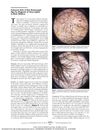
March 2011 in “Archives of Dermatology” Corkscrew hair may be a new sign for quickly diagnosing scalp fungus in black children.
October 2025 in “Clinical Chemistry” This study found that combining Juniperus communis extract with 5-Fluorouracil inhibited oral cancer cell growth more effectively than 5-FU alone, inducing cancer cell death and reducing drug resistance by affecting key cellular pathways and proteins.
75 citations
,
March 2018 in “Molecules/Molecules online/Molecules annual” This review discusses the potential health benefits of L-Cysteine, noting increased research interest but highlighting a lack of clinical trial data for consensus on its effectiveness.
 7 citations
,
January 2022 in “Anais Da Academia Brasileira De Ciencias”
7 citations
,
January 2022 in “Anais Da Academia Brasileira De Ciencias” This study found that essential oils from Hedychium spicatum showed anti-inflammatory, antinociceptive, antipyretic, and antioxidant activities, with site-specific variations in their effectiveness.
 April 2024 in “Materials today bio”
 In this study, the researchers developed a novel wound dressing incorporating copper-doped calcium silicate and curcumin, which significantly promoted nerve and blood vessel regeneration in deep burn wounds, emphasizing the crucial role of bioactive chelation in neuralized skin repair.
 169 citations
,
June 2010 in “Molecular & cellular proteomics”
169 citations
,
June 2010 in “Molecular & cellular proteomics” This study suggests that ethylene and lignoceric acid (C24:0) may promote cotton fiber and Arabidopsis root hair growth by activating the pectin biosynthesis network.
40 citations
,
July 2019 in “Journal of Investigative Dermatology” In this study, knockout mice lacking the Cyp4f39 gene showed severe skin barrier dysfunction and high early mortality, suggesting its critical role in skin barrier formation and insights into ichthyosis pathogenesis.
 4 citations
,
October 2022 in “Microbial Cell Factories”
4 citations
,
October 2022 in “Microbial Cell Factories” This study identified novel endophytic actinobacteria from the Citrullus colocynthis plant with antibacterial properties, suggesting potential for new antibiotic development against multi-drug-resistant bacteria.
 4 citations
,
December 2017 in “International journal of research in ayurveda and pharmacy”
4 citations
,
December 2017 in “International journal of research in ayurveda and pharmacy” This review discusses the traditional and pharmacological uses of Cuscuta reflexa, but it reports no new clinical results, calling attention to its potential antihypertensive, antidiabetic, and antioxidant properties.
 26 citations
,
November 2002 in “Planta medica”
26 citations
,
November 2002 in “Planta medica” In this study, the methanol extract of Cercidiphyllum japonicum heartwood was found to stimulate the proliferation of mouse hair epithelial cells, with several isolated compounds showing significant proliferative activities.
This study found that combining prodigiosin and essential oil from Thuja orientalis leaves showed a synergistic effect against the 3rd larva stage of Cx. pipiens, significantly reducing acetylcholine esterase activity and altering midgut pH, compared to untreated larvae.