25 citations
,
April 2017 in “PloS one” In this study, specific SNPs in the FST gene were significantly associated with various wool quality traits in Chinese Merino sheep, suggesting potential markers for breeding programs.
5 citations
,
October 2022 in “Materials Research Express” This study found that zinc oxide and fucoidan-loaded chitosan nanofiber scaffolds may enhance wound healing and provide antibacterial protection against common surgical pathogens in vitro.
 June 2024 in “British Journal of Dermatology”
 This study observed that Black women with central centrifugal cicatricial alopecia had a higher prevalence of uterine leiomyomas compared to those with lichen planopilaris, suggesting a potential association between the conditions.
 16 citations
,
February 2019 in “Gene”
16 citations
,
February 2019 in “Gene” This study describes two methods for isolating hair follicle stem cells from newborn Yangtze River Delta White Goats, highlighting differences in cell viability and marker protein expression between the methods.
 4 citations
,
May 2021 in “Biomedicines”
4 citations
,
May 2021 in “Biomedicines” This review explores the potential role of caveolin-1 in cicatricial alopecia, particularly frontal fibrosing alopecia, and discusses possibilities for targeted therapies without providing new research results.
7 citations
,
March 2023 in “European Journal of Dermatology” Using Selenium Disulfide shampoo weekly helps prevent scalp dermatitis flare-ups.
 3 citations
,
December 2021 in “Frontiers in endocrinology”
3 citations
,
December 2021 in “Frontiers in endocrinology” In this study, a novel DCAF17 gene mutation was identified in a Chinese family, suggesting a potential role in pancreatic β cell dysfunction and diabetes development in Woodhouse-Sakati syndrome.
45 citations
,
January 2007 in “Journal of Clinical Oncology” This case report identifies hand-foot and stump syndrome as a potential side effect of sorafenib therapy in a 47-year-old man with a leg amputation.
December 2019 in “The American Journal of Gastroenterology” In this study, three cases of Cronkhite-Canada syndrome revealed small bowel mucosal lesions, but these findings did not correlate with clinical symptoms or steroid treatment outcomes.
1 citations
,
July 2024 in “JCEM Case Reports” This report highlights a new genetic variant of Woodhouse-Sakati syndrome in two sisters from the first identified family case in Russia, emphasizing the varied manifestations of the disorder and the importance of genetic testing for diagnosis and patient-specific treatment planning.
2 citations
,
January 2023 in “Skin Appendage Disorders” This study suggests a potential role for systematic scalp examinations in first-degree relatives of patients with pattern cicatricial alopecia.
September 2023 in “Journal of the American Academy of Dermatology” This meta-analysis found a significant positive association between frontal fibrosing alopecia and both sunscreen and moisturizer use, with the moisturizer association significant only in males.
 11 citations
,
January 2013 in “Indian Dermatology Online Journal”
11 citations
,
January 2013 in “Indian Dermatology Online Journal” This article reviews central centrifugal cicatricial alopecia, including its various forms and potential multifactorial causes, but provides no new clinical findings.
 1 citations
,
January 2024 in “Advanced science”
1 citations
,
January 2024 in “Advanced science” This study found that fibronectin-attached cell sheets significantly improved wound healing in vivo by increasing wound closure rates, reducing inflammation, and promoting tissue regeneration compared to conventional cell sheets.
 April 2026 in “Microorganisms”
 This study suggests that Staphylococcus capitis ferment filtrate (SCFF) may promote hair growth and scalp health by modulating pathways related to hair loss, aging, and oxidative stress in vitro.
 7 citations
,
January 2009 in “Biological & pharmaceutical bulletin”
7 citations
,
January 2009 in “Biological & pharmaceutical bulletin” This study found that applying ferrous ferric chloride skin lotions to newborn mice stimulated skin cell proliferation and differentiation, increased hair growth, and inhibited alopecia-related hair loss.
 1 citations
,
October 2023 in “Journal of the Pakistan Medical Association”
1 citations
,
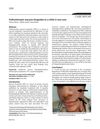
October 2023 in “Journal of the Pakistan Medical Association” This source describes a case of a 12-year-old male diagnosed with folliculotropic mycosis fungoides, presenting with an asymptomatic, erythematous plaque. Histology and immunohistochemistry confirmed FMF, which is typically rare in children and marked by follicular infiltration by CD4+ lymphocytes.
 7 citations
,
June 2015 in “The anatomical record”
7 citations
,
June 2015 in “The anatomical record” This study in Hexi cashmere goats found that secondary follicle activity increases with time, and Hoxc13 expression varies significantly across different growth stages, suggesting a role in follicle activity.
 November 2023 in “Frontiers in Neuroendocrinology”
 This study suggests that post-finasteride syndrome and post-SSRI sexual dysfunction share potential etiopathogenetic mechanisms involving brain modulators, neurotransmitters, and gut microbiota, although more research is needed to understand these conditions fully.
12 citations
,
October 2001 in “British Journal of Ophthalmology” This paper suggests intralesional cidofovir as a potentially effective treatment for SCC with no systemic toxicity observed, but surgical excision remains the standard for its curative outcomes and thorough evaluation.
January 2026 in “AAPS PharmSciTech” In this study, a novel liposomal formulation combining caffeine and cafestol significantly enhanced their penetration into human skin layers, with formulation F9 doubling caffeine and greatly increasing cafestol levels in the dermis, suggesting potential for improved topical delivery.
 18 citations
,
February 2022 in “Cell Death Discovery”
18 citations
,
February 2022 in “Cell Death Discovery” In this study, researchers found that hair follicle-derived mesenchymal stem cells, modified to overexpress extracellular matrix protein 1, significantly improved liver function and reduced liver damage in cirrhotic mice by inhibiting hepatic stellate cell activation and TGF-β/Smad signaling.
135 citations
,
October 2010 in “Stem Cells” This study found that stem cells from mouse hair follicles successfully reconstructed the ocular surface in most limbal stem cell deficiency mice, demonstrating potential for treating the condition in a mouse model.
April 2020 in “Journal of the Endocrine Society” This study suggests that hair cortisol measurement could serve as an alternative diagnostic method for Cushing’s disease, showing acceptable concordance with urinary free cortisol despite differing evaluated periods.
July 2023 in “International Journal of Rheumatic Diseases” This case report described a woman in her 40s with ulcerative scalp sarcoidosis presenting in atypical skin locations, diagnosed with systemic sarcoidosis following comprehensive examination and histological analysis, and experiencing improvement with prednisone and hydroxychloroquine treatment.
9 citations
,
January 2023 in “Journal of Clinical Medicine” This study presents a validated questionnaire, the FFA-QLI, which effectively assesses and differentiates the quality of life impact among patients with frontal fibrosing alopecia, showing greater sensitivity in identifying severe cases than the DLQI.
9 citations
,
February 2023 in “Medicine” This review discusses the potential of traditional Chinese medicine to relieve clinical symptoms in cases of CCS and emphasizes the need for further large-scale, long-term studies to verify these effects.
 316 citations
,
June 2017 in “Stem Cell Research & Therapy”
316 citations
,
June 2017 in “Stem Cell Research & Therapy” This review covers the potential of SVF and ADSC therapies in regenerative medicine and highlights the challenges of regulation and efficacy, without reporting new clinical results.
November 2022 in “Zenodo (CERN European Organization for Nuclear Research)” 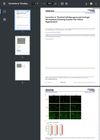 August 2025 in “Advanced Science”
 In this study, corrected data confirmed that AHFS seed microspheres exhibit good biocompatibility with fibroblasts, validating the initial results.