June 2025 in “Medicine theory and practice” This study compared the effectiveness of combined oral contraceptives and antiandrogens for treating women with polycystic ovarian syndrome in late reproductive age.
 August 2025 in “Advances in Therapy”
 In this study, the researchers noted that physicians in China prioritize clinical hyperandrogenism when making PCOS treatment decisions, highlighting a need to align clinical practices with guidance recommendations and to clarify the role of biochemical hyperandrogenism in future guidelines.
 27 citations
,
March 2018 in “Fertility and Sterility”
27 citations
,
March 2018 in “Fertility and Sterility” This study found that in Chinese women with PCOS, pretreatment with ethinylestradiol/cyproterone acetate was associated with a lower risk of gestational diabetes, pregnancy-induced hypertension, and premature delivery compared to those without pretreatment.
February 2026 in “The Laryngoscope” This study reports the first case of airway involvement in Conradi–Hünermann–Happle syndrome, highlighting successful management of severe subglottic stenosis with serial endoscopic balloon dilations in a 2-month-old female.
7 citations
,
April 2008 in “Progrès en Urologie” February 2018 in “InTech eBooks” PCOD is a complex condition with unclear causes and varied treatments.
 8 citations
,
September 2024 in “Portuguese Journal of Dermatology and Venereology”
8 citations
,
September 2024 in “Portuguese Journal of Dermatology and Venereology” This review discusses the role of dermatologists in diagnosing and treating PCOS-related dermatological manifestations, emphasizing the importance of early intervention to enhance patients' quality of life, but reports no new clinical findings.
 December 2024 in “Archiv Euromedica”
 In this review, researchers reported that PCOS remains a complex condition with ongoing diagnostic and therapeutic challenges, highlighting recent innovations in diagnosis and treatment that provide alternative options for cases unresponsive to standard care.
 July 2019 in “International Journal of Advance Research in Community Health Nursing”
 This study observed that, among women in Padgampora Village, J&K, aged 15-45, 42.5% had PCOS between ages 15 and 25, with clinical signs like irregular cycles, obesity, acne, and more, highlighting the need for increased awareness and early intervention.
November 2025 in “IntechOpen eBooks” This chapter reviews the complex relationship between PCOS and sexual dysfunction, highlighting its fundamental role as a biopsychosocial manifestation rather than a secondary complication, and calls for comprehensive, patient-centered care; it reports no new clinical results.
 August 2013 in “Gastroenterology”
 This case report highlights a 60-year-old patient's diagnosis with Cronkhite-Canada syndrome, characterized by gastrointestinal polyps, diarrhea, weight loss, brittle nails, alopecia, and skin changes, which showed improvement with treatment.
 18 citations
,
October 2021 in “Frontiers in Physiology”
18 citations
,
October 2021 in “Frontiers in Physiology” This review summarizes recent research on the molecular properties and functions of L-PGDS and PGD2, but reports no new findings, highlighting their pathophysiological roles and guiding future studies.
 July 2023 in “Clinical, cosmetic and investigational dermatology”
 In this study, reflectance confocal microscopy was used to diagnose periorificial dermatitis, revealing specific skin changes such as hair follicle dilatation, increased vascular density, and inflammation, which help distinguish it from similar conditions.
 October 2025 in “International Journal of Science and Research (IJSR)”
 This article reviews the epidemiology, causes, clinical impact, and potential preventive strategies for Polycystic Ovarian Disease but reports no new research findings.
June 2020 in “Research Square (Research Square)” This study found that oral contraceptives containing cyproterone acetate significantly improved the overall quality of life in polycystic ovary syndrome patients after six months, compared to those containing levonorgestrel.
 June 2023 in “British Journal of Dermatology”
 This study reports a unique case of coinheritance of BRCA2 and CYLD pathogenic variants in a man with metastatic malignant cylindroma, suggesting that recognizing such genetic profiles in rare conditions can provide new treatment options, including the potential use of therapies targeting BRCA deficiency.
35 citations
,
May 2002 in “Journal of the European Academy of Dermatology and Venereology” This review highlights that current diagnostic and treatment methods for chronic pelvic pain syndrome lack robust evidence, suggesting a need for further research.
 16 citations
,
September 2018 in “Journal of Molecular Liquids”
16 citations
,
September 2018 in “Journal of Molecular Liquids” This study investigated a nanostructured system using PS-b-PAA diblock copolymer for incorporating the hydrophobic photosensitizer ClAlPc, finding it effective in causing cellular damage in Caco-2 cells under light while demonstrating no cytotoxicity without light, suggesting its potential use in photodynamic therapy.
 2 citations
,
February 2024 in “Journal of the European Academy of Dermatology and Venereology”
2 citations
,
February 2024 in “Journal of the European Academy of Dermatology and Venereology” This study resulted in a draft version of the Patient‐Reported Impact of Dermatological Diseases measure, PRIDD, which includes 27 items refined from patient consensus and is now undergoing psychometric testing.
April 2025 in “Digital Commons - East Tennessee State University (East Tennessee State University)” This study reviewed recent literature on Long COVID, examining cardiopulmonary, dermatological, neurological, and rheumatological symptoms and identifying risk factors like severe initial infection, comorbidities, and lack of prior vaccination.
 15 citations
,
October 2018 in “Reproductive Biomedicine Online”
15 citations
,
October 2018 in “Reproductive Biomedicine Online” This study suggests that the anogenital distance measure AGDAC may moderately discriminate the presence of polycystic ovarian syndrome and could be a useful clinical tool.
 April 2025 in “Dermatology Practical & Conceptual”
 This study found that erosive pustular dermatosis of the scalp is frequently misdiagnosed as squamous cell carcinoma, highlighting the need for careful differentiation to avoid unnecessary treatments.
 12 citations
,
February 2013 in “The Open Stem Cell Journal”
12 citations
,
February 2013 in “The Open Stem Cell Journal” This article reviews the definitions, opportunities, advantages, and limitations of dental pulp stem cells and stem cells from human exfoliated deciduous teeth in tissue engineering and regenerative medicine, reporting no new clinical results.
July 2012 in “Alzheimer s & Dementia” This case report describes a 57-year-old Navy veteran with mild cognitive impairment who showed cognitive improvement and reported better mood after CPAP treatment and medication adjustments.
 18 citations
,
February 2015 in “Acta Crystallographica Section D: Structural Biology”
18 citations
,
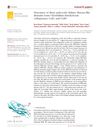
February 2015 in “Acta Crystallographica Section D: Structural Biology” This study reports that Ca 2+ binding alters the dynamics and surface properties of PKD-like domains in Clostridium histolyticum collagenases, enhancing their stability and potentially aiding in collagen-targeting vehicle development.
March 2016 in “Journal of Pharmacological Sciences” This discussion reviews the shift in pharmaceutical strategy towards evidence-based and structure-guided drug development, highlighting ongoing challenges and efforts in computer-aided drug design without presenting new clinical results.
 December 2022 in “International journal of preventive, curative & community medicine”
 This article reviews current understanding and management strategies for polycystic ovary syndrome, emphasizing lifestyle changes alongside medical treatment, and reports no new clinical results.
17 citations
,
October 2011 in “International Journal of Immunopathology and Pharmacology” This study found that after 24 weeks of DPCP treatment for alopecia areata, there was a significant increase in new capillaries and hair regrowth detectable by videocapillaroscopy.
37 citations
,
September 2009 in “JEADV. Journal of the European Academy of Dermatology and Venereology/Journal of the European Academy of Dermatology and Venereology” This study found that diphencyprone is an effective and safe treatment for extensive alopecia areata, especially with long-term therapy and maintenance to reduce relapse risk.
27 citations
,
August 2008 in “Mayo Clinic proceedings” This review discusses the diagnosis, management, and treatment options for peripheral arterial disease and does not report new clinical findings; the authors emphasize the need for early diagnosis and comprehensive management.