 1 citations
,
October 2012 in “Elsevier eBooks”
1 citations
,
October 2012 in “Elsevier eBooks” This article reviews advancements in understanding skin regeneration and suggests that bioengineering skin surrogates may soon enhance treatments for skin trauma, but it presents no new clinical findings.
 November 2023 in “npj regenerative medicine”
 This study found that engineered reconstituted skin can form morphogenetic units that promote tissue patterning and hair regeneration, with certain signaling pathways restoring this ability in adult and fetal cells.
35 citations
,
October 2014 in “Wound Repair and Regeneration” This study developed a validated murine model of hypertrophic scar contraction, demonstrating similarities to human skin and observing graft contraction and tissue characteristics over time.
13 citations
,
October 2022 in “Reproductive Biology and Endocrinology” This study demonstrated that hyaluronan gel is a promising biomaterial for 3-D in vitro culture of mouse ovarian follicles, supporting the production of fertilizable metaphase II oocytes.
6 citations
,
March 2024 in “Saudi Pharmaceutical Journal” This study found that a nano-cubosome formulation co-loaded with capsaicin and thiocolchicoside enhanced bioavailability and showed promising analgesic and anti-inflammatory effects in rats, potentially benefiting gout management through improved transdermal delivery.
182 citations
,
December 2021 in “Cosmetics” This literature review discusses recent advances in using essential oils and their components in cosmetic products, highlighting their diverse benefits and challenges in formulation due to varying chemical profiles, as well as addressing safety considerations for these natural ingredients.
April 2025 in “Journal of Ethnopharmacology” This study elucidated the multi-component and multi-target mechanisms by which TR and Am may provide therapeutic benefits for treating androgenetic alopecia.
 July 2022 in “Research Square (Research Square)”
 This study found that tyramine-linked hyaluronan gel effectively supports the 3-D culture of ovarian follicles, facilitating the maturation of functional metaphase II oocytes that can develop into blastocysts.
13 citations
,
March 2024 in “Cell Transplantation” This review highlights the need for improved methods in cosmetic safety assessment, emphasizing the potential of engineered skin tissue for more effective detection and toxicological evaluation of cosmetic products, compared to traditional methods.
6 citations
,
July 2021 in “Bulletin of the National Research Centre/Bulletin of the National Research Center” This review discusses the transmission and immune response of SARS-CoV-2 and highlights ongoing research for developing vaccines and antiviral treatments, but it presents no new clinical findings.
2 citations
,
June 2023 in “Current Nutrition & Food Science” This literature review highlights the therapeutic potential of the biflavonoid hinokiflavone, suggesting its biological importance against various cancers, inflammation, viral infections like COVID-19, and other conditions.
 January 2025 in “International Journal of Women’s Dermatology”
 This study proposes creating formal educational programs for dermatologists to improve care for African American patients by addressing the lack of training in hair care practices and complications associated with cultural styles like braids and wigs, thereby aiming to enhance health outcomes and healthcare equity.
 August 2021 in “International Journal of Research in Dermatology”
 This study observed that Amarantha hair oil contains β-sitosterol, which is suggested to promote hair growth.
 March 2026 in “Molecules”
 This review reports that Dang Gui (Radix Angelica sinensis) possesses bidirectional immunoregulatory effects, enhancing immune cell proliferation and function, and may benefit immune-related diseases such as cancer and anemia. It also evaluates regulatory and safety aspects, aiming to guide future research and clinical use.
 September 2024 in “International Journal of Molecular Sciences”
 This study found that hot water extract of Hydrangea serrata leaf and hydrangenol promoted hair growth by enhancing 5α-reductase inhibitory activity, stimulating dermal papilla cell growth, and exhibiting anti-inflammatory and anti-androgenic effects in cell cultures, mice, and human skin organoid models.
19 citations
,
December 2011 in “PubMed” This study found that women with androgenetic alopecia showing a positive immunoreactant profile responded well to combined therapy with minocycline, topical steroids, and red light, indicating an immunologically driven trigger.
 November 2022 in “The journal of investigative dermatology/Journal of investigative dermatology”
 This study generated a transcriptomic map of human hair follicles, identifying compartment-specific gene expression profiles that can aid in developing targeted therapies for hair follicle disorders.
 2 citations
,
February 2025 in “International Journal of Molecular Sciences”
2 citations
,
February 2025 in “International Journal of Molecular Sciences” This study identified key proteins, such as Sfrp1 and Ppard, involved in the complex and dynamic regulation of yak hair follicle growth and degeneration across different stages, offering insights into yaks' adaptation to highland environments.
 January 2026 in “Frontiers in Nutrition”
 This study found that various dietary supplements positively impacted hair density and were well-tolerated among patients with androgenetic alopecia, suggesting they may be useful adjuncts or alternatives to standard treatments.
 31 citations
,
July 2017 in “Stem cell investigation”
31 citations
,
July 2017 in “Stem cell investigation” This article discusses the use of platelet-rich plasma as a supportive treatment for hair loss, emphasizing its potential to enhance hair follicle health and patient satisfaction, but reports no new clinical results.
 60 citations
,
June 2017 in “IOSR Journal of Pharmacy (IOSRPHR)”
60 citations
,
June 2017 in “IOSR Journal of Pharmacy (IOSRPHR)” This review highlights the chemical components and various potential health effects of Daucus carota but reports no new experimental results.
 September 2025 in “Journal of Phytonanotechnology and Pharmaceutical Sciences”
 This comprehensive review reports on the therapeutic potential and bioactive components of licorice (Glycyrrhiza glabra Linn), highlighting its diverse pharmacological properties and health benefits but also noting associated toxicity and adverse effects in medicinal and food applications.
This study concluded that removing alopecia and mucous membrane components from the CLASI-A score limits the ability to capture crucial clinical information about cutaneous lupus erythematosus activity, recommending their retention.
 17 citations
,
December 2020 in “Journal of Genetic Counseling”
17 citations
,
December 2020 in “Journal of Genetic Counseling” This review outlines best practices for providing culturally competent care to transgender patients and discusses considerations for assessing disease risk, but reports no new research findings.
 2 citations
,
January 2025 in “Pharmaceutical Research”
2 citations
,
January 2025 in “Pharmaceutical Research” This article reviews the possible therapeutic activities of Angelica gigas Nakai root extracts and their components, noting their potential effects on neuro-cognitive, metabolic, and other health conditions, and reports no new clinical results.
 4 citations
,
November 2017 in “Scientific Reports”
4 citations
,
November 2017 in “Scientific Reports” This study compiled an archive of 684 genes associated with monogenic hair disorders, identifying previously unrecognized components of Hippo signaling and proposing a new biologically-grounded disease taxonomy.
 69 citations
,
June 2017 in “Experimental Biology and Medicine”
69 citations
,
June 2017 in “Experimental Biology and Medicine” This review discusses the advancements and challenges in developing in vitro human skin models incorporating components like vasculature for drug testing and disease research, but reports no new clinical results.
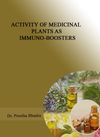
In this review, researchers evaluated 111 studies on the biological activities and phytochemical components of the plant Tridax procumbens, emphasizing its ethnobotanical potential and the need for more research to understand its therapeutic benefits, especially in its native tropical regions.
 January 2024 in “Wiadomości Lekarskie”
 This study found that kinematic alignment in total knee arthroplasty leads to a higher proportion of patients requiring smaller femoral components compared to traditional mechanical alignment, with statistical significance observed in femoral sizing differences between the two groups.
 November 2020 in “bioRxiv (Cold Spring Harbor Laboratory)”
 This study found that the Polycomb Repressive Complex 2, particularly its component Ezh2, is crucial in regulating dermal fibroblast differentiation and epidermal keratinocyte proliferation during murine skin development.