2 citations
,
June 2025 in “Cosmetics” This study observed that a five-week topical treatment with cold-pressed Rosa canina seed oil significantly reduced mean wrinkle scores and UV-induced spots in volunteers, suggesting potential anti-aging and photoprotective benefits attributed to its high carotenoid content.
65 citations
,
September 2014 in “Orphanet Journal of Rare Diseases” This study identified mutations in the STUB1 gene linked to hereditary cerebellar ataxia with cognitive impairment, revealing potential effects on protein function and patient symptoms, including accelerated aging.
 22 citations
,
November 2014 in “Psychiatric Clinics of North America”
22 citations
,
November 2014 in “Psychiatric Clinics of North America” This article reviews stress-related skin reactions, psychodermatology, and neuropsychiatric skin manifestations, and reports no new clinical results.
5 citations
,
January 2025 in “Pharmaceuticals” This review highlights the potential of Coffea arabica as an active ingredient in skincare, noting its bioactive compounds from leaves and beans show promising anticellulite, anti-inflammatory, antioxidant, and anti-aging properties, with unique phenolic concentrations in leaves offering enhanced skin benefits.
 2 citations
,
May 2023 in “Marine Drugs”
2 citations
,
May 2023 in “Marine Drugs” The researchers reported that marine-derived saccharides, specifically L-fucose and chondroitin sulphate disaccharide, supported skin and hair health by promoting cellular proliferation, enhancing extracellular matrix production, and aiding the hair cycle's growth phase, potentially minimizing aging effects.
This source provides medical information intended solely for licensed professionals and emphasizes that it is not a substitute for medical advice, diagnosis, or treatment decisions, which remain the responsibility of treating physicians.
 July 2025 in “International Journal of Dermatology Venereology and Leprosy Sciences”
 This review assessed the role of scalp hair Survivin protein in individuals with premature graying, exploring its potential involvement in graying-related processes and highlighting its overexpression in autoimmune diseases that may influence the survival of specific immune cell clones.
 June 2019 in “Brain Imaging and Behavior”
 In this study, androgenic alopecia was identified as an independent predictor of abnormal white matter hyperintensities in the brain, suggesting it may serve as a surrogate marker for cerebral small vessel disease linked to arteriolosclerosis.
 20 citations
,
January 2015 in “Current problems in dermatology”
20 citations
,
January 2015 in “Current problems in dermatology” This paper reviews recent research on hair graying, suggesting that an imbalance in oxidative stress handling may affect melanocyte stem cells and melanin production with age, and calls for exploring strategies to prolong melanin production.
2 citations
,
June 2023 in “Journal of clinical medicine” This review found that both oral and topical soy-based products showed positive effects on various skin-related outcomes, including aging signs and skin barrier function, but topical applications were more likely to improve skin barrier status compared to oral supplementation.
January 2023 in “Applied sciences” This study suggests that Equisetum debile extracts, particularly the ethyl acetate fraction, may offer natural cosmeceutical benefits for treating hyperpigmentation, delaying skin aging, and remediating hair loss due to androgenic alopecia.
 June 2026 in “Preprints.org”
 This study found that in healthy young men, oral minoxidil at 5 mg/day led to increased carotid intima-media thickness and vascular aging, suggesting potential cardiovascular side effects at higher doses. A dose-dependent effect was observed, while dutasteride displayed a favorable vascular profile without significant changes.
 359 citations
,
September 2017 in “European Journal of Epidemiology”
359 citations
,
September 2017 in “European Journal of Epidemiology” This article discusses the rationale, design, and significant findings of the long-running Rotterdam Study but reports no new clinical results.
 72 citations
,
October 1998 in “Baillière's clinical endocrinology and metabolism”
72 citations
,
October 1998 in “Baillière's clinical endocrinology and metabolism” This article discusses the potential effects of exogenous testosterone, highlighting that its impact on prostate cancer progression, cardiovascular health, and behavior remains uncertain and needs further investigation.
 58 citations
,
November 2013 in “Journal of Innovative Optical Health Sciences”
58 citations
,
November 2013 in “Journal of Innovative Optical Health Sciences” This review discusses the development and application of multiphoton microscopy in dermatology, highlighting its advantages and potential future research directions without reporting new clinical results.
 9 citations
,
July 2020 in “Experimental Dermatology”
9 citations
,
July 2020 in “Experimental Dermatology” This review emphasizes the potential of repurposing topical L-thyroxine for skin ulcers and telogen effluvium and highlights the need for further exploration of its use in dermatology.
 2 citations
,
August 2019 in “International Journal of Cosmetic Science”
2 citations
,
August 2019 in “International Journal of Cosmetic Science” This study observed that the biophysical properties of hair in Caucasian females with brown hair significantly change with age, and smoking or being overweight was linked to smaller hair cross-sectional areas.
 7 citations
,
February 2019 in “International Journal of Dermatology”
7 citations
,
February 2019 in “International Journal of Dermatology” This review discusses factors influencing hair pigmentation and the etiology of canities, noting the lack of clarity in underlying mechanisms and calling for further research on treatment options.
 133 citations
,
May 2016 in “Cell Host & Microbe”
133 citations
,
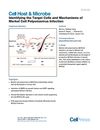
May 2016 in “Cell Host & Microbe” In this study, human dermal fibroblasts were identified as natural host cells that support productive Merkel cell polyomavirus infection, and the MEK antagonist trametinib was introduced as an effective inhibitor to control the virus.
 74 citations
,
June 2018 in “Cell death and disease”
74 citations
,
June 2018 in “Cell death and disease” In this study, researchers found that depleting mtDNA in mice caused skin wrinkles and hair loss but restoring mitochondrial function reversed these effects, highlighting mtDNA's significant role in skin and hair health.
 March 2014 in “CRC Press eBooks”
 Some nutrients and antioxidants may improve skin and hair health, but more research is needed to confirm these benefits.
 11 citations
,
January 1991 in “Urology”
11 citations
,
January 1991 in “Urology” This article reviews the potential of combining antiandrogenic and antiestrogenic treatments for BPH, highlighting aromatase inhibitors, but presents no new clinical results; further research is needed.
This article reviews the role of hormones in human penis development and associated conditions due to hormonal imbalances, but reports no new findings, suggesting hormone replacement can manage some conditions.
 11 citations
,
May 2009 in “Medical Hypotheses”
11 citations
,
May 2009 in “Medical Hypotheses” This paper proposes a theory explaining how the normal anabolic effects of androgens lead to structural changes and hair follicle miniaturization, contributing to androgenic alopecia.
 336 citations
,
August 2015 in “European Journal of Epidemiology”
336 citations
,
August 2015 in “European Journal of Epidemiology” This article reviews the design and objectives of the Rotterdam Study, as well as summarizes major findings, without reporting new results.
 18 citations
,
January 2004 in “Dermatologic Clinics”
18 citations
,
January 2004 in “Dermatologic Clinics” This article discusses nutritional contributions to hair health and highlights the need for identifying risk factors for deficiencies but reports no new clinical findings.
7 citations
,
August 2023 in “Skin Research and Technology” This study highlights age and sex as key factors influencing scalp parameters, thereby affecting hair health and suggesting they should be considered in developing hair care strategies.
133 citations
,
November 2018 in “Aging” This study identified Azithromycin and Roxithromycin as novel senolytic antibiotics that effectively target and reduce senescent human fibroblast cells.
52 citations
,
November 2006 in “International Journal of Cosmetic Science” This review discusses the identification and classification of different wrinkle types based on histological features and microanatomy, emphasizing their varying responses to treatments, and reports no new clinical results.
124 citations
,
July 2017 in “eLife” This study found that COL17 deficiency in neonatal mice causes abnormal skin cell proliferation due to disrupted Wnt signaling, while replenishing or overexpressing COL17 can reverse this effect in both neonatal and aged skin.