 August 2023 in “Research Square (Research Square)”
 This study found that two microRNAs, oar-miR-23b and oar-miR-133, inhibit the development of hair follicles in superfine wool sheep by targeting genes involved in key signaling pathways, suggesting their potential use as molecular markers for breeding fine wool sheep.
 June 2023 in “Juan Cuevas eBooks”
 This volume is part of a series intended to educate plastic and reconstructive surgeons, residents, and other medical professionals, but the abstract does not report specific research findings.
 November 2022 in “Research Square (Research Square)”
 This study identified key genes and pathways involved in the growth and development of forest musk deer hair follicles, providing insights into molecular regulation and laying groundwork for future research on related diseases.
 September 2022 in “Farmacja Polska”
 This review discusses the role of biotin in enzyme function and its effects on hair, skin, and nail health, noting that significant improvements are mostly seen in people with biotin deficiency, and reports no new clinical results.
 July 2022 in “International Journal of Health Sciences”
 This study assessed lipid parameters and serum DHT levels in type 2 diabetes patients, but the abstract does not specify the findings about their association.
 January 2022 in “Kafkas Universitesi Veteriner Fakultesi Dergisi”
 In this study, differences in protein expression related to twin lambing were identified in Tibetan sheep, providing insights into the reproductive performance and fertility improvement strategy for sheep in the Qinghai-Tibet Plateau.
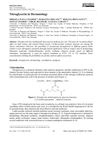 August 2020 in “Revista de chimie”
 This article discusses the potential therapeutic applications of topical nitroglycerin formulations in various medical conditions, but it reports no new clinical results.
 May 2020 in “bioRxiv (Cold Spring Harbor Laboratory)”
 This study found that hair-type tissues in hedgehogs show higher enrichment of immune-related genes compared to spine-type tissues, suggesting that spines evolved to protect against injuries and infections.
 January 2018 in “Stem cells in clinical applications”
 This review discusses the potential of exosomes and the secretome in stem cell-based regenerative therapies but reports no new experimental findings.

This study found that low-level laser therapy may enhance wound healing and reduce pain, swelling, and inflammation by increasing mitochondrial activity and oxidative stress, leading to greater protein synthesis and cell proliferation.
 March 2016 in “Korean Journal of Medicine”
 This study reported that doxazosin may result in gynecomastia after administration but evidence and expert reviews on this are still lacking domestically.
 April 2015 in “Andrology”
 This special issue contains abstracts from the ASA 40th Annual Meeting, providing an overview of various studies without reporting new primary results.
 November 2014 in “John Wiley & Sons, Ltd eBooks”
 This review discusses hormones that affect acne and highlights a statistically significant link between a low-glycemic-load diet and reduced acne activity, but reports no new experimental findings.
This study reported that high cholesterol levels were linked to increased prostate cancer risk, while selenium supplementation affected gene expression, suggesting nutritional and clinical factors might influence prostate cancer risk and biology.
 January 2012 in “Durham e-Theses (Durham University)”
 This study found that knock-down of keratin 15 in various cell lines affected cell spreading, morphology, migration, differentiation, and proliferation, suggesting its role in maintaining the stem cell nature of keratinocytes.
 February 2010 in “ePrints Soton (University of Southampton)”
 This research found that androgen bioactivity plays a role in normal female sexual differentiation, suggesting females develop within a significant androgenic environment, with implications for understanding conditions like congenital adrenal hyperplasia.
 November 2009 in “Regenerative Medicine”
 This industry report describes several new collaborations and licensing agreements in the field of regenerative medicine, focusing on stem cell technologies, and reports no new clinical results.

This review discusses cyclosporine A's mechanisms of action and side effects compared to tacrolimus in renal transplantation, but it reports no new experimental results; the authors highlight implications for cardiovascular risk management.
 January 2006 in “Carl von Ossiezky University of Oldenburg”
 This study observed that unpigmented keratinocytes saturate quickly with foreign substance uptake compared to pigmented melanocytes, where melanin significantly enhances binding.
 January 2026 in “Frontiers in Pharmacology”
 This review highlights the potential of wedelolactone from the plant Wedelia Chinensis, summarizing its reported pharmacological effects, including anti-inflammatory, antiviral, antibacterial, antitumor, anti-osteoporosis activities, and organ protection based on existing in vitro and in vivo research findings.
 March 2026 in “Zenodo (CERN European Organization for Nuclear Research)”
 This publication presents a library of precision geometric medicines that reportedly kill harmful bacteria and fungi while sparing beneficial organisms, using a delivery system that targets pathogens specifically and avoids ecological harm.
21 citations
,
February 2023 in “Bioengineering” This review outlines current European legislation and manufacturing standards for platelet-rich plasma (PRP) products and provides guidance for clinicians implementing autologous PRP treatments, without reporting new clinical results.
 November 2018 in “Chin J Clin Lab Mgt (Electronic Edition)”
 This paper introduces Concentration Growth Factor (CGF) as a potential treatment for androgenetic alopecia, but reports no clinical findings on its effectiveness in promoting hair growth.
 October 2024 in “Stem Cell Research & Therapy”
 This study found that CGF may be effective in reducing inflammation and improving skin conditions in psoriasis, particularly in patients resistant to other treatments.
 28 citations
,
November 2013 in “The journal of investigative dermatology/Journal of investigative dermatology”
28 citations
,
November 2013 in “The journal of investigative dermatology/Journal of investigative dermatology” This study found that the selective PPARγ modulator GMG-43AC may inhibit unwanted hair growth by inducing catagen phase while preserving hair follicle epithelial progenitor cells, suggesting potential in anti-hirsutism therapy.
August 2026 in “European Journal of Pharmacology”  6 citations
,
April 2017 in “Frontiers in Pharmacology”
6 citations
,
April 2017 in “Frontiers in Pharmacology” This study found that several compounds from Yangxue Shengfa capsule may promote hair growth by enhancing cell proliferation in vitro, suggesting potential use in treating androgenetic alopecia.
22 citations
,
July 2021 in “Journal of Investigative Dermatology” This study presents the G4 transgenic mouse model, which suggests a direct link between polycystic ovary syndrome and the Gm10800 gene, offering a valuable tool for understanding the disease and testing treatments.
June 2026 in “Journal of Cosmetic Dermatology” CGF-PF may improve hair loss treatment by targeting hair follicle stem cells more effectively.