1 citations
,
January 2022 in “Clinical Cases in Dermatology” This review discusses central centrifugal cicatricial alopecia, emphasizing its clinical features, potential contributing factors, and treatment options, but does not report new clinical findings.
17 citations
,
January 2010 in “PubMed” CD10 helps distinguish between basal cell carcinoma and benign hair follicle tumors.
This study presents the G4 transgenic mouse model, which suggests a direct link between polycystic ovary syndrome and the Gm10800 gene, offering a valuable tool for understanding the disease and testing treatments.
14 citations
,
January 2024 in “Burns & Trauma” In this study on diabetic wound healing in mice, Calvatia gigantea extract accelerated wound recovery, reduced inflammation, and improved the microbiome's diversity, particularly enhancing Escherichia–Shigella bacteria presence.
January 2019 in “DSpace@MIT (Massachusetts Institute of Technology)” This study found that increased PHGDH expression in mice led to earlier melanin and melanocyte presence in hair follicles but did not induce cancer.
15 citations
,
June 2019 in “Biochemical Journal” This study identified a heterozygous de novo mutation in the ODC1 gene causing a new disorder characterized by overgrowth and developmental delay, and suggests that DFMO treatment may help manage elevated ODC activity and putrescine levels.
 1 citations
,
January 2023 in “The FASEB Journal”
1 citations
,
January 2023 in “The FASEB Journal” This study found that circAGK was highly expressed in AGA patients and promoted dermal papilla cell apoptosis, suggesting it as a potential target for treating androgen alopecia.
6 citations
,
September 2024 in “Current Oncology” This review summarizes evidence and adverse event management recommendations for Sacituzumab Govitecan in metastatic triple-negative breast cancer and hormone receptor-positive breast cancer, emphasizing favorable survival data from clinical trials.
1 citations
,
December 2023 in “JAAD International” Mast cells may significantly contribute to central centrifugal cicatricial alopecia.
6 citations
,
August 2016 in “Journal of Visualized Experiments” This article describes a method using the CUBIC protocol to clarify and visualize molecular and cellular interactions in mouse skin biopsies at single cell resolution, but does not provide new biological findings.
May 2025 in “BMC Genomics” This study found that circ 0020938 suppresses hair follicle stem cell proliferation by interacting with the miR-142-5p/DSG4 axis, which aids in the hair follicle cycle's proper progression.
 6 citations
,
April 2017 in “Frontiers in Pharmacology”
6 citations
,
April 2017 in “Frontiers in Pharmacology” This study found that several compounds from Yangxue Shengfa capsule may promote hair growth by enhancing cell proliferation in vitro, suggesting potential use in treating androgenetic alopecia.
 April 2021 in “Journal of Investigative Dermatology”
 This study found that CD1a-restricted CD4+ T cells responsive to lysyl-phosphatidylglycerol were more frequent in the blood of atopic dermatitis patients, suggesting a potential role in the disease's Th2-mediated pathology.
 3 citations
,
January 2017 in “Evidence-based complementary and alternative medicine”
3 citations
,
January 2017 in “Evidence-based complementary and alternative medicine” This study found that Galla chinensis solution significantly improved skin lesions and fungal eradication in dermatophytosis-infected dogs, showing over 85% efficacy in fungal removal after 14 days and outperforming the positive control treatment.

This case study presented by the researchers describes the effective use of topical calcipotriene ointment in treating a 6-year-old girl with en coup de sabre scleroderma, resulting in normalization of the sclerotic skin, hair regrowth, and improved pigmentation.
4 citations
,
July 2019 in “Experimental Dermatology” In this study, 2-deoxy D-glucose did not prevent the progression of alopecia areata or promote hair regrowth in a mouse model despite its efficacy in other autoimmune conditions.
 September 2022 in “Skin appendage disorders”
 This article explores potential risk factors for central centrifugal cicatricial alopecia and suggests that seborrheic dermatitis may play a role in its development, but it reports no new scientific findings.
1 citations
,
March 2022 in “Frontiers in Medicine” This case report highlights a rare instance of esophageal carcinoma in a patient with Cronkhite-Canada syndrome, emphasizing the importance of endoscopic surveillance for malignant gastrointestinal tumors in these patients.
 4 citations
,
November 2021 in “Frontiers in endocrinology”
4 citations
,
November 2021 in “Frontiers in endocrinology” This study systematically compared pediatric and adult Cushing's disease patients, revealing more severe and earlier-onset symptoms in males, and distinct gender-specific clinical manifestations.
November 2022 in “Journal of Investigative Dermatology” This study reported that an HS-associated NCSTN mutation in iPSC-derived skin organoids led to altered hair follicle stem cell differentiation and increased expression of proteins linked to HS inflammation.
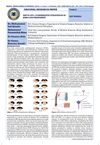 November 2025 in “PARIPEX-INDIAN JOURNAL OF RESEARCH”
 GFC is more effective than PRP for treating hair loss.
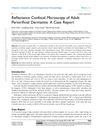 July 2023 in “Clinical, cosmetic and investigational dermatology”
 In this study, reflectance confocal microscopy was used to diagnose periorificial dermatitis, revealing specific skin changes such as hair follicle dilatation, increased vascular density, and inflammation, which help distinguish it from similar conditions.
 January 2017 in “International journal of biomedical engineering and clinical science”
 This case report describes significant skin and oral mucosa lesions in a 19-year-old patient with cri-du-chat syndrome, highlighting their impact on her nutritional status and quality of life.
 1 citations
,
October 2017 in “Animal science journal”
1 citations
,
October 2017 in “Animal science journal” This study found that cyclophosphamide treatment in cashmere goats significantly increased cashmere yield by inducing shedding without affecting fiber length, with a 20 mg/kg body weight dose being optimal for hair removal and regrowth.
 8 citations
,
September 2017 in “Journal of Investigative Dermatology”
8 citations
,
September 2017 in “Journal of Investigative Dermatology” This study found that inhibiting the interaction between CXXC5 and Dishevelled could stimulate hair regrowth in mouse models by enhancing WNT/β-catenin signaling, suggesting a potential therapeutic strategy for hair loss involving compounds that block this interaction, such as interfering short peptides.
53 citations
,
October 2003 in “Genetics” This study identified a mutation hotspot in the caracul (Ca) locus of mice, implicating the mK6irs1/Krt2-6g gene in hair formation and potentially human hair and skin diseases.
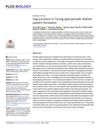 8 citations
,
May 2024 in “PLoS Biology”
8 citations
,
May 2024 in “PLoS Biology” This study on feather pattern formation in chicken skin found that inhibiting gap junctional intercellular communication can lead to the emergence of new feather buds in specific spatial patterns, suggesting that GJIC may facilitate Turing-type periodic patterning by propagating inhibitory signals over long distances.
4 citations
,
September 2025 in “International Journal of Molecular Sciences” This review discusses the dermatological applications and potential health benefits of Epigallocatechin-gallate (EGCG) from green tea, but provides no new clinical findings.
 May 2014 in “Journal of The American Academy of Dermatology”
 The project aimed to understand how genetic test results affect patients' actions and feelings in dermatology.
December 2025 in “JGH Open” In this case study, a 78-year-old Japanese woman with Cronkhite-Canada syndrome experienced mesenteric lymphadenopathy, which reduced in size after treatment with the corticosteroid prednisolone. This suggests that mesenteric lymphadenopathy, though uncommon in CCS, may respond to steroid therapy.