 1 citations
,
September 2022 in “International Journal of Trichology”
1 citations
,
September 2022 in “International Journal of Trichology” In this case report, a young adult male with resistant alopecia areata showed nearly 90% hair regrowth after 3 months of treatment with tofacitinib, alongside biotin supplementation, without any side effects observed.
1 citations
,
December 2025 in “PLoS ONE” This study evaluated the real-world safety of Tepotinib for treating NSCLC with METex14 skipping mutations, confirming known adverse events and identifying new signals like deafness and taste disorder, especially highlighting early monitoring.
 September 2014 in “SciBX”
 In a mouse study, JAK inhibitors like Jakafi and Xeljanz prevented alopecia areata and aided hair regrowth; similar effects were observed in three patients with the condition.
 4 citations
,
December 2001 in “Endoscopy”
4 citations
,
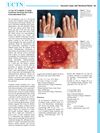
December 2001 in “Endoscopy” In this case study, administration of prednisolone and Bactrim for a woman with Cronkhite-Canada syndrome led to the cessation of diarrhea, increased serum protein, and improvement in hyperpigmentation and hair regrowth.

This study identified CD28 as a potential drug target in treating alopecia areata by linking immune signaling pathways to local inflammation, highlighting belatacept as a promising treatment option due to minimal adverse effects and providing insights into autoimmune target discovery.
August 2025 in “International Journal of Scientific Research” This study found that both intralesional PRP and corticosteroids are effective for alopecia areata, but PRP offers higher patient satisfaction and fewer side effects, despite a slower initial response.
This case study reports that a pediatric patient with recalcitrant alopecia areata was treated using a 308 nm excimer lamp and topical tofacitinib 2% gel.
1 citations
,
June 1959 in “A M A Archives of Dermatology” In this study, treatment of alopecia areata, totalis, and universalis with methyl prednisolone and ACTH injections resulted in complete regrowth in 62% of male and 58% of female patients.
 53 citations
,
May 2001 in “The American journal of the medical sciences”
53 citations
,
May 2001 in “The American journal of the medical sciences” This article reviews common skin eruptions in chemotherapy patients and discusses how recognizing these patterns can help avoid unnecessary changes to cancer treatment; it reports no new clinical results.
April 2012 in “Cancer research” In this study, the authors found that targeting mTORC1 with rapamycin inhibited TPA-induced skin tumor promotion by affecting keratinocyte proliferation, including critical stem cell populations in the mouse epidermis.
 February 2011 in “Journal of Investigative Dermatology”
 New findings suggest targeting IL-23 could treat psoriasis, skin cells can adapt to new roles, direct conversion of skin cells to blood cells may aid cell therapy, removing certain tumor cells could boost cancer immunotherapy, and melanoma may have many tumorigenic cells, not just cancer stem cells.
6 citations
,
July 2015 in “JAAD Case Reports” This study describes a case of erlotinib-induced alopecia, unresponsive to traditional corticosteroid treatments, that was successfully managed with doxycycline, suggesting a novel approach for EGFR inhibitor-associated alopecia.
 December 2025 in “Cosmoderma”
 This study reviewed evidence suggesting that systemic corticosteroids, particularly in pulse regimens like dexamethasone and betamethasone oral mini-pulse, effectively slow vitiligo progression and support repigmentation, while offering a favorable safety profile compared to continuous therapy.
 January 2026 in “Frontiers in Pharmacology”
 This study suggests that cedrol may improve mitochondrial function, gut microbiota, and intestinal barrier integrity, indicating its potential value in treating inflammatory bowel disease.
March 2017 in “Current dermatology reports” Topical JAK inhibitors can effectively treat alopecia areata and vitiligo by modulating immune responses.
August 2019 in “Journal of the American Academy of Dermatology” Tofacitinib may help hair regrowth in alopecia areata, but more research is needed.
 8 citations
,
May 2017 in “Singapore Medical Journal”
8 citations
,
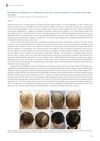
May 2017 in “Singapore Medical Journal” A Korean woman with complete hair loss regrew her hair after taking tofacitinib, with no side effects.
1 citations
,
February 2024 in “JEADV Clinical Practice” This study reviewed 20 studies and found that pulse corticosteroid therapy led to complete hair regrowth in 38.53% of patients with severe alopecia areata, but came with many unwanted side effects.
 3 citations
,
March 2014 in “Journal of Industrial Microbiology & Biotechnology”
3 citations
,
March 2014 in “Journal of Industrial Microbiology & Biotechnology” This study identified a cytochrome P450 enzyme, CYP-pa1 from Pseudonocardia autotrophica, as responsible for the specific hydroxylation of cyclosporin A at the 9th N-methyl leucine, suggesting potential for biotechnological applications.
Topical corticosteroids are effective for skin conditions but can have side effects.
 32 citations
,
June 2012 in “PLoS ONE”
32 citations
,
June 2012 in “PLoS ONE” This study found that locally injected zalutumumab in healthy volunteers induced a papulopustular rash similar to systemic EGFR inhibitors, and that IL-8 inhibition reduced this dermatological side effect.
 1 citations
,
May 2021 in “Scientific Reports”
1 citations
,
May 2021 in “Scientific Reports” This study identified several anticancer drugs, including vinblastine and bortezomib, that significantly increase the risk of developing chemotherapy-induced peripheral neuropathy, with variations in time-to-onset among different drug categories.
 July 2019 in “International journal of dermatology, venereology and leprosy sciences”
 This study found that oral cyclosporine was more effective than betamethasone minipulse therapy for treating Alopecia Areata, with more patients in the cyclosporine group showing excellent and good responses compared to the betamethasone group.
January 2019 in “프로그램북(구 초록집)” This study reported that oral JAK inhibitors, tofacitinib and ruxolitinib, may effectively promote hair regrowth in alopecia areata patients, though ruxolitinib had fewer adverse events compared to tofacitinib.
 August 2024 in “Clinical Cosmetic and Investigational Dermatology”
 In this case report, a nine-year-old child with vitiligo and alopecia areata was successfully treated with upadacitinib and UVB, resulting in a significant reduction in the affected areas, suggesting a promising treatment approach for similar pediatric cases.
 6 citations
,
July 2015 in “European Journal of Dermatology”
6 citations
,
July 2015 in “European Journal of Dermatology” Stopping methotrexate might reverse lymphoma-like conditions in some patients.

This study demonstrated that de novo designed bifunctional proteins can target and degrade BCL-xL, leading to cell apoptosis, suggesting a new approach to targeted protein degradation therapy.
 18 citations
,
July 2008 in “Current Oncology Reports”
18 citations
,
July 2008 in “Current Oncology Reports” EGFR cancer drugs often cause a rash, which can lead to distress and isolation, but may also improve outcomes for some cancer patients. Current treatments for the rash are limited, but a compound called menadione shows promise.
9 citations
,
September 2010 in “Dermatologic therapy” This study found that combined therapy with cetirizine and topical steroids stabilized inflammation in most patients with lichen planus pilaris, though one patient experienced cardiac arrhythmia.
 July 2016 in “Cancer Research”
 This study developed a topical botanical lotion for managing chemotherapy-induced hair loss in cancer patients, reporting that it improved hair recovery times by 5-16 weeks, reduced inflammation, and enhanced scalp collagen levels with no observed side effects.