
This study indicates that CD4 protein may have a functional role in basal cell-like keratinocytes through TCR/CD3-independent signaling, affecting their proliferation, differentiation, and migration.
12 citations
,
June 2020 in “Lupus” This study found that treating a murine model of systemic lupus erythematosus with early and optimally dosed mesenchymal stem cells effectively suppressed disease severity.
 September 1997 in “Journal of the European Academy of Dermatology and Venereology”
 People with acne have more CD4+ immune cells in their skin than healthy people.
April 2020 in “International Journal of Dermatology” This study found that peribulbar lymphocytic infiltration can effectively differentiate between alopecia areata and androgenetic alopecia using T-cell infiltration patterns in skin tissue.
21 citations
,
December 2005 in “The journal of investigative dermatology/Journal of investigative dermatology” This study demonstrates that T-cell responses in extensive alopecia areata scalp may be aberrantly regulated, with reduced cytokine production but activated phenotype, providing insight into the disease's immune mechanisms.
3 citations
,
April 2020 in “PubMed” This study found that DEB-BACE combined with systemic chemotherapy was more effective than chemotherapy alone for unresectable lung squamous cell carcinoma, reducing side effects and improving survival rates.
November 2023 in “Medical Immunology (Russia)” In this study, researchers found that children with alopecia areata exhibited immune system imbalances, including increased autoimmune and allergic markers and decreased phagocytic activity, along with a higher prevalence of autoimmune thyroiditis and allergic rhinitis compared to children without alopecia.
18 citations
,
August 2012 in “Chinese journal of integrative medicine/Chinese Journal of Integrative Medicine” This study reported that total glucosides of paeony capsules were as effective and safe as compound glycyrrhizin tablets for treating mild to moderate alopecia areata.
9 citations
,
February 2002 in “International Journal of Dermatology” This case study reports that a combination of PUVA therapy and oral methyl prednisolone initially improved symptoms of a woman's cutaneous T-cell lymphoma but required ongoing treatment due to recurrence.
October 2017 in “Journal of Investigative Dermatology” This article presents a diagnostic quiz based on clinical images and reports findings from the mentioned article but does not provide new clinical results.
13 citations
,
August 2018 in “Life sciences” This meta-analysis suggests that combining Kang-ai injection with platinum-based chemotherapy may improve tumor response, performance status, immune functions, and reduce adverse reactions in patients with advanced non-small cell lung cancer.
 7 citations
,
November 2007 in “Annales de Dermatologie et de Vénéréologie”
7 citations
,
November 2007 in “Annales de Dermatologie et de Vénéréologie” A man was diagnosed with a rare form of lupus after showing unique skin symptoms that responded well to treatment.
 14 citations
,
March 2014 in “Journal of The American Academy of Dermatology”
14 citations
,
March 2014 in “Journal of The American Academy of Dermatology” In this study, symmetrical acrokeratoderma was observed to frequently occur alongside ichthyosis vulgaris, with no specific therapy available for the condition.
 5 citations
,
September 1989 in “Journal of The American Academy of Dermatology”
5 citations
,
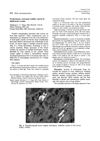
September 1989 in “Journal of The American Academy of Dermatology” This article reports that cocaine injections can lead to skin lesions containing talc crystals at the sites of injection.
 November 2022 in “The journal of investigative dermatology/Journal of investigative dermatology”
 This study found that Imaging Mass Cytometry effectively visualizes multiple biomarkers in alopecia areata, enhancing analysis of immune cell and tissue interactions in hair pathology.
11 citations
,
February 1990 in “PubMed” This study found that zinc treatment in alopecia areata patients may increase CD8+ cells, suggesting its effectiveness could be due to immunomodulation.
 3 citations
,
May 2018 in “Journal of Cosmetic Dermatology”
3 citations
,
May 2018 in “Journal of Cosmetic Dermatology” This study reported that the most reliable way to differentiate alopecia areata from androgenic alopecia is by detecting intrafollicular CD3 and CD8 cell density, with CD3 being the most specific and sensitive marker.
December 2022 in “Experimental and Clinical Physiology and Biochemistry” This study found that a lotion with 5% minoxidil significantly altered immune parameters and disrupted immunological balance in guinea pigs, suggesting a substantial impact on both cellular and humoral immunity.
September 2011 in “Chinese Journal of Dermatology” This case report describes a 69-year-old man diagnosed with folliculotropic mycosis fungoides after initially being treated for folliculitis, highlighting emerging skin lesions despite subsequent photochemotherapy and acitretin treatment.
 103 citations
,
January 2011 in “Blood”
103 citations
,
January 2011 in “Blood” This study found that thymus transplantation in infants with FOXN1 deficiency led to T-cell reconstitution and functional immunity, resolving serious infections and cytopenias.
 19 citations
,
February 2016 in “Journal of The American Academy of Dermatology”
19 citations
,
February 2016 in “Journal of The American Academy of Dermatology” This study found that the presence of CD3(+) T-cells within empty follicular fibrous tracts is a reliable indicator for diagnosing diffuse alopecia areata instead of pattern hair loss.
 155 citations
,
May 2016 in “Nature communications”
155 citations
,
May 2016 in “Nature communications” This study found that mouse skin CD4(+) memory T cells are in equilibrium with the circulation under steady state but increase in specific clusters in response to infection or inflammation.
 1 citations
,
January 2021
1 citations
,
January 2021 In this study, CD4+ non-haematopoietic, skin-resident stem cell-like populations were identified in both murine and human epidermis, suggesting they may serve as potential basal cell carcinoma precursors.
In this study, researchers found that CD4 T cells from the skin draining lymph nodes of mice with alopecia areata can transfer the disease to recipient mice, highlighting the key role of these cells and their interaction with CD8 T cells in the disease's development.
 April 2021 in “Journal of Investigative Dermatology”
 This study found that CD1a-restricted CD4+ T cells responsive to lysyl-phosphatidylglycerol were more frequent in the blood of atopic dermatitis patients, suggesting a potential role in the disease's Th2-mediated pathology.
 110 citations
,
July 2017 in “Immunology”
110 citations
,
July 2017 in “Immunology” This review discusses the role of regulatory T cells in skin, including their impact on hair follicle regeneration, wound healing, and immune tolerance, without presenting new clinical findings.
 11 citations
,
March 2014 in “Journal of Investigative Dermatology”
11 citations
,
March 2014 in “Journal of Investigative Dermatology” In this study, basal cell carcinoma developed in Ptch-deficient mice only after chemical treatment, not skin wounding, suggesting a second unknown event is necessary for tumor formation.
 7 citations
,
January 2013 in “The journal of investigative dermatology/Journal of investigative dermatology”
7 citations
,
January 2013 in “The journal of investigative dermatology/Journal of investigative dermatology” This study found that thymus transplantation in athymic mice resulted in T-cell-driven hair follicle depigmentation and loss, without multiorgan autoimmune disease, highlighting mechanisms of tissue-specific tolerance.
77 citations
,
June 2002 in “Journal of Investigative Dermatology” CD44 variant changes start alopecia areata, but don't maintain it.
 30 citations
,
July 2019 in “PloS one”
30 citations
,
July 2019 in “PloS one” This study found that T-regulatory cells, specifically the FOXP3 CD39 subset, were significantly reduced in both circulation and hair follicles of alopecia areata patients compared to healthy subjects, suggesting potential therapeutic targets.