March 2026 in “Journal of Pain” Preoperative stress markers alone don't predict chronic post-surgical pain.
 15 citations
,
October 2015 in “PLOS ONE”
15 citations
,
October 2015 in “PLOS ONE” This study developed the Chi-PCOSQ, a culturally adapted Chinese assessment tool for measuring health-related quality of life in women with polycystic ovary syndrome, showing promising reliability and validity.
 January 2025 in “International Journal of Trichology”
 This study found that adding PRP to DPCP treatment for severe alopecia areata did not enhance effectiveness compared to DPCP alone.
 24 citations
,
January 2019 in “Theranostics”
24 citations
,
January 2019 in “Theranostics” This study found that loss of the Pten gene in Lgr5+ hair follicle stem cells promoted squamous cell carcinoma formation through the Akt/β-catenin signaling pathway.
6 citations
,
November 2018 in “Case reports in nephrology and dialysis” This case report detailed a 71-year-old male with Cronkhite-Canada syndrome and associated membranous nephropathy, who showed a significant improvement in skin and gastrointestinal symptoms, and remission of nephropathy, after treatment with rituximab, cyclosporine, and azathioprine.
 2 citations
,
March 2024 in “Supportive Care in Cancer”
2 citations
,
March 2024 in “Supportive Care in Cancer” In this study, manual cold capping was found to be effective in minimizing chemotherapy-induced alopecia, with 92.1% of patients retaining 50% or more of their hair, although effectiveness varied with different chemotherapy regimens.
July 2024 in “Journal of Investigative Dermatology” A new test helps find drugs to treat head and neck cancer by targeting c-Rel.
 10 citations
,
January 2018 in “Postępy Dermatologii i Alergologii”
10 citations
,
January 2018 in “Postępy Dermatologii i Alergologii” This study found that 21 out of 39 patients with alopecia areata experienced more than 50% hair regrowth after six months of DPCP treatment, with better outcomes observed in those treated at 3-week intervals compared to weekly intervals.
 August 2025 in “International Journal of Environmental Sciences”
 In this descriptive cross-sectional study, researchers observed that less than 10% of female nursing students in Dharmapuri have been diagnosed with polycystic ovarian syndrome, though many show increasing symptom prevalence and poor health-related behaviors, underlining the need for better education and regular gynecological check-ups.
 15 citations
,
November 2012 in “International Journal of Dermatology”
15 citations
,
November 2012 in “International Journal of Dermatology” This case series observed a potential familial link in central centrifugal cicatricial alopecia (CCCA), suggesting a genetic predisposition that may be worsened by hair grooming practices.
1 citations
,
January 2022 in “Clinical Cases in Dermatology” This review discusses central centrifugal cicatricial alopecia, emphasizing its clinical features, potential contributing factors, and treatment options, but does not report new clinical findings.
 1 citations
,
May 2011 in “Molecular Medicine Reports”
1 citations
,
May 2011 in “Molecular Medicine Reports” This study found no association between the -866G/A polymorphism in the UCP2 gene and the development of polycystic ovary syndrome.
June 2023 in “Clinical Cosmetic and Investigational Dermatology” This report describes a 60-year-old female with pretibial pruritic papular dermatitis who showed significant improvement of skin lesions after one month of treatment with oral pentoxifylline. The authors highlight the unique clinical and histological features of PPPD and propose pentoxifylline as a potential therapy.
56 citations
,
April 2019 in “The Plant Journal” This study found that CNGC 6, CNGC 9, and CNGC 14 are crucial for maintaining calcium oscillations necessary for normal root hair growth in plants, with mutations leading to defects like swelling and bursting.
July 2012 in “Alzheimer s & Dementia” This case report describes a 57-year-old Navy veteran with mild cognitive impairment who showed cognitive improvement and reported better mood after CPAP treatment and medication adjustments.
 8 citations
,
September 2017 in “The Journal for Nurse Practitioners”
8 citations
,
September 2017 in “The Journal for Nurse Practitioners” This study observed that most women with PCOS in the United States use adaptive coping strategies, while those with higher psychological severity may resort to maladaptive coping methods.
 10 citations
,
March 2016 in “The Journal of Obstetrics and Gynecology of India”
10 citations
,
March 2016 in “The Journal of Obstetrics and Gynecology of India” This review proposes renaming polycystic ovarian syndrome to "Hyperandrogenic Persistent Ovulatory Dysfunction Syndrome" to better reflect its diagnostic criteria and promote consistency in research, but reports no new clinical findings.
 April 2024 in “Indian Scientific Journal Of Research In Engineering And Management”
 This review discusses the prevalence and contributory factors of polycystic ovarian syndrome and reports no new clinical findings; the authors emphasize the importance of early detection through screening.
2 citations
,
December 2024 in “Clinical Endocrinology” This study suggests that persistent symptoms in patients with controlled functioning adenomas may indicate a coexisting PCOS diagnosis, highlighting the need for precise differentiation and timely management of these conditions.
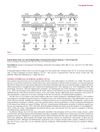 June 2007 in “Journal of Investigative Dermatology”
 Title change to "Central Centrifugal Cicatricial Alopecia (CCCA)"; common in African American women; hair-grooming methods may contribute; no effective therapy found; trials needed.
 September 2002 in “Comprehensive Therapy”
 Primary care is key in managing PCOS, focusing on lifestyle changes and medications like birth control and metformin.
1 citations
,
July 2017 in “PubMed” This study describes two Danish cases of Cronkhite-Canada syndrome presenting with malnutrition and gastrointestinal issues; both patients underwent successful treatment and remission after developing colonic adenocarcinomas.
17 citations
,
October 2011 in “International Journal of Immunopathology and Pharmacology” This study found that after 24 weeks of DPCP treatment for alopecia areata, there was a significant increase in new capillaries and hair regrowth detectable by videocapillaroscopy.
 4 citations
,
September 2018 in “International journal of research - granthaalayah”
4 citations
,
September 2018 in “International journal of research - granthaalayah” This study reported that 12% of female Qassim University students had been diagnosed with PCOS, with misconceptions about the condition and treatments observed despite high awareness.
 March 2012 in “Journal of Pediatric and Adolescent Gynecology”
 This study found significant variability among NASPAG members in diagnostic approaches for PCOS, though there was more agreement on recommended first-line therapies such as oral contraceptives and lifestyle changes.
January 2010 in “Belarusian State Pedagogical University repository (Belarusian State Pedagogical University)” This question-based abstract lists potential survey questions regarding contraception, hormone therapy, and related health issues but presents no new research findings.
 October 2023 in “Journal of the Endocrine Society”
 This study reported a rare case where a pheochromocytoma produced ACTH, leading to cyclic Cushing syndrome, and underscores the importance of considering this possibility in cases of ACTH-dependent hypercortisolism with an adrenal mass.
 27 citations
,
April 1996 in “Baillière's clinical endocrinology and metabolism”
27 citations
,
April 1996 in “Baillière's clinical endocrinology and metabolism” This article discusses the diagnostic complexities of PCOS and emphasizes the importance of differentiating between polycystic ovaries and polycystic ovary syndrome; it presents no new experimental results.
 January 2022 in “Clinical Cases in Dermatology”
 This review discusses the pathogenesis, diagnosis, and treatment strategies for Central Centrifugal Cicatricial Alopecia, emphasizing a multifactorial approach and reporting no new clinical results.
 July 2023 in “British journal of dermatology/British journal of dermatology, Supplement”
 In this study, researchers analyzed skin tumors from patients with CYLD cutaneous syndrome and found that loss of CYLD function is linked to changes in cellular signaling pathways, particularly NF-κB signaling, and leads to increased secretion of specific extracellular matrix proteins.