46 citations
,
November 2019 in “Journal of Integrative Plant Biology” This study found that calmodulin 7 (CaM7) inhibits the calcium channel CNGC14 in root hairs, affecting their polar growth by controlling calcium signaling.
93 citations
,
March 2017 in “Molecular Plant” This study concluded that CNGC14 is a calcium-permeable channel crucial for polarized tip growth in Arabidopsis root hairs, but other channels may also influence the observed calcium influx.
This study identified the Arabidopsis cation chloride cotransporter CCC1 as essential for regulating pH and function in the trans-Golgi network/early endosome, with its absence causing significant growth and stress response defects.
 201 citations
,
November 1964 in “Journal of neurophysiology”
201 citations
,
November 1964 in “Journal of neurophysiology” The cuneate nucleus has two main neuron types: relay neurons and interneurons.
 43 citations
,
September 2014 in “Molecular Plant”
43 citations
,
September 2014 in “Molecular Plant” This study found that the signaling peptide CLE40 and receptor proteins CLV2 and CRN regulate root meristem differentiation through two distinct, antagonistic pathways activated by CLE40 in a dose-dependent manner.
 April 2018 in “Journal of Investigative Dermatology”
 In this study, researchers identified CENPV as a new CYLD interacting partner that localizes to primary cilia and regulates acetylated tubulin levels, offering insights into the pathogenesis of skin appendage tumors.
 April 2024 in “BMB Reports”
 This study used Cisd2 knockout mice models and found that these mice display premature aging characteristics and an increase in dysfunctional neutrophils, suggesting Cisd2's role in calcium homeostasis and neutrophil function via interactions with Calnexin and SERCA.
 January 2025 in “bioRxiv (Cold Spring Harbor Laboratory)”
 This study identifies Armadillo Repeat Only proteins as crucial regulators of plant CNGC channels, influencing various plant functions and showcasing a unique plant-specific role in Ca2+ signaling.
7 citations
,
October 2023 in “BMC Genomics” In this study, researchers used transcriptome sequencing to identify various noncoding RNAs in the skin tissues of Jiangnan cashmere goats and found that certain long noncoding RNAs may play a role in regulating cashmere fiber fineness, offering new insights for breeding programs.
December 2024 in “European journal of medical research” This study suggests that the NCSTN knockout mouse could serve as an HS animal model, with tamoxifen potentially used for gene deletion in mice.
 36 citations
,
November 2018 in “BMC plant biology”
36 citations
,
November 2018 in “BMC plant biology” This study suggests that ROXYs and reactive oxygen species are likely involved in the signaling pathways plants use to respond to nitrate deprivation.
 April 2019 in “The journal of investigative dermatology/Journal of investigative dermatology”
 In this study, researchers found that CCCA in women of African descent is associated with molecular changes, including dysregulation of fatty acid metabolism and fibrosis pathways, suggesting potential targets for new treatments.
 January 2025 in “Cell Communication and Signaling”
 This study reviews the role of the zinc finger protein CXXC5 in cellular signaling and its implications for cancer, discussing how its dysregulation is linked to various physiological and pathological processes, as well as potential therapies targeting CXXC5.
 April 2019 in “The journal of investigative dermatology/Journal of investigative dermatology”
 In this study, the researchers observed significant metabolic dysregulation in central centrifugal cicatricial alopecia, particularly involving lipid metabolism and the downregulation of AMPK-related genes.
 January 2016 in “Human & Experimental Toxicology”
 This study reported that CCT oligodeoxynucleotide induced patchy hair loss in male mice with specific genetic traits, suggesting gender and genetic preferences in immune response.
 September 2021 in “CRC Press eBooks”
 This article discusses features, genetics, and diagnostic challenges of central centrifugal cicatricial alopecia in African American women but reports no new clinical results.
 14 citations
,
March 2016 in “Mechanisms of Development”
14 citations
,
March 2016 in “Mechanisms of Development” This study found that BNC2 is critical for hair follicle regeneration and other developmental processes, as Bnc2−/− mice exhibit incomplete hair follicle development and developmental defects, and BNC1 cannot substitute for BNC2.
September 2017 in “The journal of investigative dermatology. Symposium proceedings/The Journal of investigative dermatology symposium proceedings” This study emphasizes the genetic component of central centrifugal cicatricial alopecia, highlighting an atypical case involving an adolescent male within an African-American family.
 2 citations
,
April 2010 in “The Open Dermatology Journal”
2 citations
,
April 2010 in “The Open Dermatology Journal” This review discusses the development and role of corneodesmosin in skin and hair follicle integrity, highlighting findings from mouse models and its connection to genetic diseases, with no new experimental results included.
2 citations
,
July 2024 in “International Journal of Molecular Sciences” In this study, researchers found that knocking down the transcription factor Csdc2 inhibited the proliferation of dermal papilla cells in cashmere goats, and identified its regulatory relationship with the gene Robo2, providing insights into the genetic mechanisms influencing cashmere fiber growth.
July 2024 in “Journal of Investigative Dermatology” A new test helps find drugs to treat head and neck cancer by targeting c-Rel.
 December 2022 in “Frontiers in plant science”
 This study identifies two new proteins, CCDC22 and CCDC93, essential for root and root hair growth in Arabidopsis, and demonstrates their genetic link to a VTI13-dependent vacuolar trafficking pathway.
10 citations
,
October 2018 in “Journal of molecular and cellular cardiology/Journal of Molecular and Cellular Cardiology” This study identified NM_026333 as a potential anti-aging gene that, when induced, may alleviate proton-induced aging symptoms in CF6-overexpressing and high salt-fed mice.
 July 2023 in “British journal of dermatology/British journal of dermatology, Supplement”
 In this study, researchers analyzed skin tumors from patients with CYLD cutaneous syndrome and found that loss of CYLD function is linked to changes in cellular signaling pathways, particularly NF-κB signaling, and leads to increased secretion of specific extracellular matrix proteins.
 1 citations
,
April 2022 in “The Journal of Family Practice”
1 citations
,
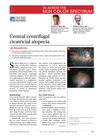
April 2022 in “The Journal of Family Practice” This report describes early and late stages of central centrifugal cicatricial alopecia in two Black women, highlighting progression from a small to a large central patch of hair loss.
14 citations
,
August 2014 in “The FASEB Journal” This study found that the catalytically inactive serine protease CAP1/Prss8 can still induce skin disorders in mice and is subject to inhibition by nexin-1, independent of its catalytic activity.
1 citations
,
November 2016 in “Frontiers in neurology” In this case report, a patient with Cronkhite-Canada syndrome also had mononeuritis multiplex, and the authors suggest that an autoimmune mechanism may be involved based on steroid responsiveness and electrophysiological findings.
January 2024 in “Animals” In this study, researchers found that circERCC6, a circular RNA identified in cashmere goat hair follicles, helps activate secondary hair follicle stem cells, with its role dependent on specific m6A modifications that interact with miR-412-3p to regulate BNC2 expression.
1 citations
,
March 2023 in “International Wound Journal” This article reviewed a study suggesting that CCN1 secreted by human adipose-derived stem cells may enhance wound healing, although the authors note limitations such as small sample size and incomplete evaluation of wound healing processes.
3 citations
,
October 2019 in “EMBO molecular medicine” This study reports that the nuclear receptor co-repressor 1 (NCoR1) inhibits cardiac hypertrophy by stabilizing the MEF2 and class II HDACs complex, potentially offering a target for new therapies.