 September 2021 in “CRC Press eBooks”
 This article discusses features, genetics, and diagnostic challenges of central centrifugal cicatricial alopecia in African American women but reports no new clinical results.
11 citations
,
January 2022 in “Experimental Dermatology” This study suggests that patients with severe, extensive central centrifugal cicatricial alopecia may exhibit a distinct gene expression pattern in the lesional scalp, highlighting potential targets for future research on disease severity and therapies.
17 citations
,
October 2024 in “Journal of the American Academy of Dermatology” In this study, brepocitinib was found to significantly reduce inflammatory biomarker CCL5 expression and improve clinical severity by week 24, while maintaining a favorable safety profile.
 June 2017 in “Experimental and Therapeutic Medicine”
 In a depilated mouse model, this study found that blocking CXCL4 activity with an anti-CXCL4 monoclonal antibody promoted hair growth by inducing an earlier anagen phase, delaying hair follicle regression, and altering expression of genes and proteins related to hair growth and cell proliferation.
 107 citations
,
December 2003 in “Dermatologic Therapy”
107 citations
,
December 2003 in “Dermatologic Therapy” This paper reviews the use of interferons, particularly alfa interferon, in treating cutaneous T-cell lymphoma, noting its substantial efficacy both alone and in combination therapies with predictable, generally well-tolerated side effects.
22 citations
,
December 2015 in “The journal of investigative dermatology/Journal of investigative dermatology” This study found that mice with a mutation in the Zdhhc13 gene exhibited increased susceptibility to skin cancer, highlighting a potential protective role of palmitoyl acyltransferase in skin carcinogenesis.
October 2025 in “Cell Reports” This study found that regulatory T cells accumulate in hair follicle epithelium via the Cxcr4-Cxcl12 axis, partially influenced by glucocorticoid receptor signaling, promoting hair regeneration; similar mechanisms were observed in human and murine skin.
9 citations
,
May 2022 in “Actas Dermo-Sifiliográficas” This study found that basal cell carcinoma exhibits altered expression patterns of CD10, p63, BCL-2, and EMA proteins compared to normal skin, with notable differences in staining and reactivity.
November 2025 in “PLoS ONE” This study found that synthetic RNA and DNA trigger significant increases in certain chemokines in human keratinocytes, predominantly via NF-κB activation, without evidence of alternative splicing, suggesting other regulatory pathways may be involved.
 November 1998 in “Journal of The European Academy of Dermatology and Venereology”
 A man's skin cancer improved and some of his hair grew back after treatment with a special light therapy and a medication.
 August 2019 in “Reactions Weekly”
 Daclizumab may cause psoriasis-like skin problems in multiple sclerosis patients.
January 2024 in “Animals” In this study, researchers found that circERCC6, a circular RNA identified in cashmere goat hair follicles, helps activate secondary hair follicle stem cells, with its role dependent on specific m6A modifications that interact with miR-412-3p to regulate BNC2 expression.
11 citations
,
October 2005 in “Toxicological Sciences” In this study, mouse skin exposed to cigarette smoke condensate exhibited increased epidermal thickness and ODC expression, with some changes persisting after exposure ended, suggesting potential for tumor promotion and measurement discrimination.
 6 citations
,
September 2024 in “BMC Pulmonary Medicine”
6 citations
,
September 2024 in “BMC Pulmonary Medicine” This study demonstrated that CEP may effectively treat pulmonary fibrosis by inhibiting fibroblast activation through regulating macrophage M2 polarization and decreasing fibrosis-associated factors, suggesting a new avenue for future research in this area.
 January 2020 in “Benha Journal of Applied Sciences”
 This study found that serum apelin-13 levels were significantly higher in patients with moderate to severe psoriasis vulgaris compared to healthy controls.
 July 2024 in “PLANT PHYSIOLOGY”
 In this study on Arabidopsis, the researchers identified CIPK13 and CIPK18 as crucial genes for root hair growth, finding that deficiencies in these genes resulted in shorter root hairs and reduced growth rates due to altered calcium oscillations.
November 2025 in “Сибирский научный медицинский журнал” In this study, TS-13, an antioxidant, accelerated hair regrowth in a mouse model of chemotherapy-induced alopecia but did not completely prevent cyclophosphamide's hair loss effects, showing potential for mitigating such side effects without interfering with the drug's therapeutic action.
September 2019 in “Journal of Investigative Dermatology” CCCA in women of African ancestry may be caused by PADI3 gene mutations and intense hair grooming.
 73 citations
,
June 2010 in “PLoS Genetics”
73 citations
,
June 2010 in “PLoS Genetics” This study identified that a deficiency in the palmitoyl transferase enzyme, due to a mutation in the Zdhhc13 gene, led to severe physiological abnormalities in mice, including skin, bone, and systemic amyloid issues.
8 citations
,
February 2024 in “Matrix Biology” 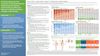 March 2026 in “SKIN The Journal of Cutaneous Medicine”
 This study demonstrated that litifilimab significantly reduced disease activity in cutaneous lupus erythematosus by Week 16, with improvements most notable in sunlight-exposed skin areas.
June 2026 in “Journal of Investigative Dermatology” This study reported that the anti-γc antibody hC2 restored hair follicle homeostasis and suppressed hair loss in an AA-like mouse model by inhibiting autoreactive T-cell activity, suggesting that hC2 may offer a safer and more effective treatment for alopecia areata compared to current Jak inhibitors.
30 citations
,
January 2013 in “Human Mutation” This study identified a homozygous frameshift mutation in the HOXC13 gene associated with pure hair and nail ectodermal dysplasia in a consanguineous Syrian family, suggesting crucial roles for HOXC13 in hair and nail development.
 63 citations
,
May 2011 in “Clinical cancer research”
63 citations
,
May 2011 in “Clinical cancer research” In this study, topical CUR61414 was effective in inhibiting basal cell carcinomas in mice, but no clinical activity was observed in human trials.
 September 2016 in “Journal of dermatological science”
 This study found that COL17 plays a key role in regulating epidermal keratinocyte differentiation and proliferation, influencing the expression of differentiation markers and cellular growth in specific conditions.
February 2026 in “ACS Applied Materials & Interfaces” This study developed a novel treatment method using carbon dots from Cinnamomum burmannii leaves, which improved hair regeneration and thickness in an AGA mouse model by promoting cell proliferation, angiogenesis, and reducing inflammation through multiple signaling pathways.
February 2023 in “Reactions Weekly”  June 2020 in “bioRxiv (Cold Spring Harbor Laboratory)”
 This study found that the HoxC gene cluster is crucial for the development of hair and nails in mice, with key regulation by two mammalian-specific enhancers.
 October 2025 in “International Journal of Molecular Sciences”
 This study identified changes in immune activation, ferroptosis, and structural genes in alopecia areata subtypes, suggesting molecular markers that might help understand disease variability and guide future treatments.
July 2025 in “Journal of Investigative Dermatology” DACC-based dressings are more effective than silver-based ones for treating chronic wounds with antimicrobial resistance.