![Benzo[c]quinolizin-3-ones: A Novel Class of Potent and Selective Nonsteroidal Inhibitors of Human Steroid 5α-Reductase 1](/images/assets/ff6e6cbe-cb9c-4d11-87ef-671d28ffd4fa/small/15506.jpg) 28 citations
,
September 2000 in “Journal of Medicinal Chemistry”
28 citations
,
September 2000 in “Journal of Medicinal Chemistry” This study identified novel compounds as selective inhibitors of the type 1 isoenzyme of 5α-reductase, displaying promising potential for treating DHT-dependent disorders such as acne and androgenic alopecia.
February 2024 in “Deleted Journal” In this case report, a 9-year-old Labrador with hyperadrenocorticism showed improvement in clinical signs after three months of treatment with cabergoline, suggesting it may be an effective alternative treatment for this condition in dogs.
15 citations
,
May 2009 in “Steroids” This study found that progesterone derivatives with chlorine or bromine substituents were effective in inhibiting 5α-reductase activity in human prostate and exhibited antiandrogenic effects in hamster flank organs.
 January 2022 in “International Journal of Medical Sciences”
 This study investigated the effects of cedrol on colorectal cancer and found that it inhibited cell proliferation and induced cell cycle arrest and apoptosis in cell models, while in vivo, it suppressed cancer progression and improved survival at a well-tolerated dose.
18 citations
,
December 2005 in “Journal of Medicinal Chemistry” In this study, novel substituted benzoyl benzoic acids and phenylacetic acids were potent and selective inhibitors of human steroid 5alpha-reductase type 2, with one compound showing promising bioavailability in rats for potential clinical evaluation.
2 citations
,
September 2011 in “Revista de Ciências Farmacêuticas Básica e Aplicada” This study examined a shampoo containing chili pepper extract and biopolymer microspheres for hair loss treatment, finding that it was well tolerated by volunteers, particularly due to the exfoliation sensation.
41 citations
,
January 1981 in “Journal of Clinical Medicine” In this study, trichoscopy highlights that hair diameter variability, vellus hairs, and the peripilar sign are key indicators for diagnosing androgenetic alopecia.
 March 2022 in “VNU Journal of Science Medical and Pharmaceutical Sciences”
 This study developed a sensitive method using LC-ESI-MS/MS for accurate and reliable measurement of nine steroid hormones in children's serum.
24 citations
,
February 2022 in “Journal of Biological Chemistry” This study found that carvacrol activates the TRPV3 ion channel by binding to a specific pocket formed by the S2-S3 linker, providing insight into its role in skin sensitization and potential for designing specific modulators.
May 2022 in “Current Enzyme Inhibition” This study found that the synthesized compound 7b exhibited higher 5α-reductase inhibitory activity, increased solubility, and dissolution compared to finasteride, suggesting its potential as a lead compound for benign prostatic hyperplasia treatment.
 19 citations
,
March 2010 in “Bioorganic & Medicinal Chemistry Letters”
19 citations
,
March 2010 in “Bioorganic & Medicinal Chemistry Letters” This study evaluated curcumin analogues as potential inhibitors of 17β-HSD3 in rat and human models, but it does not report new clinical findings.
September 2015 in “Photodiagnosis and Photodynamic Therapy”  2 citations
,
December 2021 in “ScienceRise”
2 citations
,
December 2021 in “ScienceRise” This study identified optimal parameters for extracting oil from Urtica dioica roots to maximize phytosterol content, using corn oil and a 1:5 raw material-extract ratio over a 6-hour maceration period.
 2 citations
,
January 2019 in “Biomedical Journal of Scientific and Technical Research”
2 citations
,
January 2019 in “Biomedical Journal of Scientific and Technical Research” This article describes the growth and characteristics of saw palmetto and its fruit but reports no new research results.
 1 citations
,
October 2023 in “Indian dermatology online journal”
1 citations
,
October 2023 in “Indian dermatology online journal” This study reviewed the use of various common household items as home-based remedies for dermatological conditions, noting their popularity due to accessibility, cost-effectiveness, and cultural acceptance, but underlined the need for more rigorous studies to establish their evidence-based efficacy compared to conventional treatments.
November 2025 in “ACS Omega” This study found that compounds from *Tectona grandis* leaves showed moderate inhibition of steroid 5α-reductase, a factor in androgenetic alopecia, and exhibited anti-inflammatory properties by inhibiting nitric oxide and pro-inflammatory cytokines IL-1β and IL-6 in vitro, suggesting potential dual-action benefits for AGA management.
February 2018 in “Zenodo (CERN European Organization for Nuclear Research)” This study observed that administering 1000 mg/kg of LSFP significantly reduced serum FSH and LH levels and testicular index in male Wistar rats, while lower doses showed no such effect.
2 citations
,
January 2023 in “Uro” This study found that both a proprietary ultrahigh-pressure extract and a hexanic extract of saw palmetto showed comparable inhibition of 5α-reductase, suggesting similar potential for managing symptoms of benign prostatic hyperplasia.
22 citations
,
March 2003 in “Steroids” This study found that both finasteride and a new steroidal compound, PM-9, competitively inhibit the 5α-reductase enzyme in Penicillium crustosum broth.
 5 citations
,
September 2011 in “Bioorganic & Medicinal Chemistry Letters”
5 citations
,
September 2011 in “Bioorganic & Medicinal Chemistry Letters” This study identified pantolactam based compounds as effective topical antagonists of the androgen receptor, reducing sebum components in a hamster model.
 18 citations
,
January 2002 in “Chemical & pharmaceutical bulletin/Chemical and pharmaceutical bulletin”
18 citations
,
January 2002 in “Chemical & pharmaceutical bulletin/Chemical and pharmaceutical bulletin” This study found that several new pregnane derivatives, especially steroids 16 and 19, demonstrated higher antiandrogenic activity on male hamster models than the commonly used finasteride.
 January 2023 in “Bioorganičeskaâ himiâ”
 This study found that a new deoxycholic acid derivative may offer a similar prostatoprotective effect to finasteride with lower toxicity in rat models.
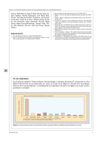
The document corrects a mistake by stating that pimecrolimus, not tacrolimus, is the drug that concentrates in the skin.
1 citations
,
February 2025 in “Toxicology in Vitro” In this study, DPHC from the brown alga Ishige okamurae demonstrated potential to prevent androgenic alopecia by inhibiting hair loss and promoting hair growth through multiple cellular mechanisms.
 January 2024 in “Indonesian Journal of Pharmaceutical Education”
 In this experimental laboratory study, three cream formulations containing 1% Caffeine Herbasome® were developed and evaluated for stability, homogeneity, pH, dispersion, and adhesion, with results showing satisfactory stability and suitable adhesion properties for skin application.
January 2006 in “Atherosclerosis Supplements” August 2025 in “OPAL (Open@LaTrobe) (La Trobe University)” This study found that hydroxycinnamate derivatives, especially a compound named 10a, effectively inhibited SRD5A1 activity and protein expression in cell assays, suggesting potential for treating androgen-related conditions.
3 citations
,
April 1977 in “PubMed” In this study, patients with varying severities of acne, seborrhoea, and hirsutism responded differently to Cyproteronacetate and Ethinyloestradiol treatment, with improvement rates dependent on symptom severity and treatment duration.
 June 2026 in “International Journal of Innovative Technologies in Social Science”
 This source describes clascoterone, a new topical treatment for acne vulgaris that blocks androgen receptors to reduce sebaceous gland activity and inflammation, offering a lower risk of systemic side effects compared to oral treatments.
 14 citations
,
February 1994 in “Tetrahedron Letters”
14 citations
,
February 1994 in “Tetrahedron Letters” This study found that using anhydrous cerium(III) chloride with alkyl Grignard reagents significantly improved the addition to sterically hindered 17-ketosteroids, resulting in high yields and stereoselectivity.