 12 citations
,
June 2013 in “The American Journal of Dermatopathology”
12 citations
,
June 2013 in “The American Journal of Dermatopathology” This study reported that using photomnemonics facilitated accurate histopathologic interpretation of horizontal scalp sections in distinguishing between nonscarring and scarring alopecias by dermatopathologists and residents in a validation test.
 11 citations
,
October 2021 in “Journal of Herbmed Pharmacology”
11 citations
,
October 2021 in “Journal of Herbmed Pharmacology” This review examines the therapeutic benefits, chemical composition, and medicinal uses of Delphinium species, along with their toxic effects; it reports no new clinical results.
 5 citations
,
January 2004 in “Biochimie”
5 citations
,
January 2004 in “Biochimie” This review discusses arsenic trioxide therapy in acute promyelocytic leukemia and introduces a novel method using hair analysis to monitor arsenic exposure and correlate it with treatment timing, but reports no new clinical results.
 4 citations
,
March 2022 in “Frontiers in pharmacology”
4 citations
,
March 2022 in “Frontiers in pharmacology” This article reviews the botanical characteristics, traditional and modern medicinal uses, and market potential of Prunus mira, but reports no new clinical findings.
 4 citations
,
December 2017 in “International journal of research in ayurveda and pharmacy”
4 citations
,
December 2017 in “International journal of research in ayurveda and pharmacy” This review discusses the traditional and pharmacological uses of Cuscuta reflexa, but it reports no new clinical results, calling attention to its potential antihypertensive, antidiabetic, and antioxidant properties.
 3 citations
,
July 1987 in “Dermatologic Clinics”
3 citations
,
July 1987 in “Dermatologic Clinics” This article discusses scalp reductions for male-pattern baldness and reports potential challenges, such as stretch-back and scar-related styling issues, without providing new clinical results.
 2 citations
,
January 2024 in “Journal of Pharmacognosy and Phytochemistry”
2 citations
,
January 2024 in “Journal of Pharmacognosy and Phytochemistry” The study highlights Teak's (Tectona grandis) diverse applications beyond high-quality timber, emphasizing its bioactive compounds' pharmacological potential in cancer treatment and other uses across traditional medicine, cosmetics, and biodiesel production.
 2 citations
,
September 2023 in “Frontiers in sustainable food systems”
2 citations
,
September 2023 in “Frontiers in sustainable food systems” This study found that Sinja Valley residents possess traditional knowledge of 13 edible oil-producing plant species, yet this knowledge is at risk due to sociocultural changes. Despite its benefits, including treating disorders like gastritis, use of indigenous oils is declining as commercial products become prevalent.
 2 citations
,
July 2022 in “Asian Journal of Microbiology, Biotechnology & Environmental Sciences”
2 citations
,
July 2022 in “Asian Journal of Microbiology, Biotechnology & Environmental Sciences” This review highlights zinc's crucial role in both plant growth and human health, while noting the widespread problem of zinc deficiency in various soils, but reports no new findings.
 2 citations
,
April 2018 in “Natural Product Communications”
2 citations
,
April 2018 in “Natural Product Communications” This review summarizes the bioactive compounds and pharmacological functions of Cynomorium songaricum Rupr., emphasizing its potential in developing health-related products, and notes that further research is needed.
 1 citations
,
February 2024 in “International Journal of Pharmacognosy & Chinese Medicine”
1 citations
,
February 2024 in “International Journal of Pharmacognosy & Chinese Medicine” This study focuses on analyzing the pharmacognostical and phytochemical properties of Hibiscus rosa-sinensis Linn. leaves, aiming to improve the identification and authenticity of this widely used medicinal plant and its applications in enhancing herbal medicine efficacy.
 1 citations
,
November 2023 in “Naunyn-Schmiedeberg's archives of pharmacology”
1 citations
,
November 2023 in “Naunyn-Schmiedeberg's archives of pharmacology” This review focused on the bioactive compounds and pharmacological properties of Lawsonia inermis (henna) and found that it contains various beneficial compounds with potential therapeutic applications, such as antioxidant and anti-inflammatory effects, indicating a need for further investigation into its medical benefits.
 1 citations
,
February 2018 in “Orthopedics and rheumatology”
1 citations
,
February 2018 in “Orthopedics and rheumatology” This study found that combining intra-arterial chemotherapy with Traditional Chinese Medicine may improve response rates in malignant bone and soft tissue tumor treatment while also managing specific side effects.
 1 citations
,
January 2017 in “Social Science Research Network”
1 citations
,
January 2017 in “Social Science Research Network” This paper suggests that to better protect traditional and indigenous knowledge, TKDL should expand its database or establish a separate confidential resource for indigenous, tribal, and nomadic communities.
 May 2026 in “International Journal of Drug Delivery Technology”
 This source describes how androgenic alopecia, or pattern hair loss, affects about 70% of men and is linked to factors like stress, hormonal imbalances, and lifestyle issues, which can also impact psychological well-being and potentially contribute to severe health conditions such as heart disease.
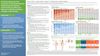 March 2026 in “SKIN The Journal of Cutaneous Medicine”
 This study demonstrated that litifilimab significantly reduced disease activity in cutaneous lupus erythematosus by Week 16, with improvements most notable in sunlight-exposed skin areas.
 February 2026 in “Bioimpacts”
 This review discusses advancements and challenges in using 3D bioprinting for diabetic foot ulcer treatments, highlighting potential improvements and existing limitations in replicating skin architecture and clinical application.
 January 2026 in “Indus journal of bioscience research.”
 In this study, Hibiscus rosa-sinensis extract was used to formulate and evaluate herbal cosmetic creams for their antioxidant properties, stability, and effectiveness. The formulations demonstrated strong antioxidant potential, stability under various conditions, and favorable cosmetic qualities, suggesting HRS as a beneficial ingredient in skincare products.
![Asl Us Soos [Glycyrrhiza Glabra (Linn)]: An Evidence-Based Review on Its Phytopharmacological, Therapeutic Potential and Gastroduodenal Ulcer Activity](/images/assets/6967bbcb-3ed8-4b8e-a417-ed1c34019505/small/62125.jpg) January 2026 in “International Journal of Unani and Integrative Medicine”
January 2026 in “International Journal of Unani and Integrative Medicine” This study evaluated the antiulcer potential of Glycyrrhiza glabra and found that its hydroalcoholic extract demonstrated dose-dependent protective effects against various ulcer models, comparable to standard drugs like omeprazole and cimetidine, by enhancing mucosal defenses and reducing stomach acid production.
 July 2025 in “Journal of Ayurveda and Integrated Medical Sciences”
 This study reviews the therapeutic potential of Yashtimadhu (Glycyrrhiza glabra Linn.), highlighting its efficacy in managing diseases affecting the head and neck, based on a conceptual and analytical synthesis of Ayurvedic literature and contemporary scientific perspectives.
This study reviews the pharmacological potential of Bacopa monniera, highlighting its extensive therapeutic effects such as antioxidant, anti-inflammatory, and memory enhancement properties, which are primarily attributed to its diverse bioactive compounds.
 December 2024 in “International Journal on Science and Technology”
 In this study, researchers prepared a poly herbal hair oil using fresh plant leaves, including neem, and reported that these herbal formulations exhibit effective hair growth with fewer side effects compared to synthetic alternatives.
 July 2024 in “International Journal of Pharmaceutical Sciences and Medicine”
 This review highlights that Nyctanthes arbor-tristis contains numerous phytochemicals and has traditional uses for various conditions. It also reports pharmacological activities, suggesting potential benefits for diabetes, cancer, inflammation, and more.
 July 2024 in “International Journal of Advanced Research in Science Communication and Technology”
 This study explored the antibacterial and wound-healing effects of an 80% methanol extract from Hibiscus micranthus leaves, finding it effective against several bacterial strains and beneficial for wound healing in rats.
 April 2024 in “Frontiers in pharmacology”
 This review of Cynoglossum amabile, a traditional Chinese and ethnomedicine, provides insights into its uses, chemical components, biological activities, and toxicity. Highlighting its market potential, the study underscores the importance of indigenous knowledge in drug development despite noted hepatotoxic risk linked to its pyrrolizidine alkaloids.
 March 2024 in “Journal of medicinal plants studies”
 This review comprehensively examines the Hibiscus rosa-sinensis plant, detailing its distribution, physical and chemical properties, bioactive compounds, ethnomedicinal uses, and potential toxicity, providing a broad understanding of its characteristics and health implications.
 February 2024 in “International Journal of Scientific Research in Science and Technology”
 This literature review outlines the traditional uses, nutritional composition, and bioactive compounds of pomegranate plants, highlighting their varied pharmacological actions such as antibacterial, antiviral, anticancer, and antioxidant effects, and discusses the peel's chemical composition and toxicology.
 January 2024 in “Journal of Pharmacognosy and Phytochemistry”
 This paper reviews the traditional use of Martynia annua in Indian medicine, detailing its reported effectiveness against a variety of conditions such as inflammation, epilepsy, and infections, and highlights its diverse pharmacological properties which warrant further clinical research.

This review of Lawsonia inermis L., or henna, details its bioactive compounds and historical uses in Unani medicine, including treatment for various conditions like ulcers and jaundice, while highlighting its potential for wound healing, hepatoprotective, and other effects, though further research is needed.
 December 2023 in “International Journal of Advanced Research in Science, Communication and Technology”
 The article reviews various medicinal properties of Semecarpus anacardium Linn., highlighting its traditional use for different diseases and noting its potential benefits as antiatherogenic, anti-inflammatory, antioxidant, antimicrobial, and hypoglycemic, among others.