January 2023 in “Iranian Journal of Pharmaceutical Research” This study concluded that S. hexaphylla extract may improve androgenetic alopecia by reducing 5α-reductase and androgen receptor levels, inhibiting apoptosis, and promoting keratinocyte proliferation in experimental models.
41 citations
,
November 2015 in “The journal of investigative dermatology. Symposium proceedings/The Journal of investigative dermatology symposium proceedings” This study found that diphenylcyclopropenone therapy resulted in over 50% hair regrowth in 71% of alopecia totalis patients, with a significant relapse association with thyroid disease, suggesting treatment could be viable but should continue for at least two years.
January 2019 in “11th World congress for hair research”  19 citations
,
January 2009 in “Journal of Young Pharmacists”
19 citations
,
January 2009 in “Journal of Young Pharmacists” This study found that the alcoholic extract of Eclipta alba exhibited dose-dependent antianaphylactic effects in animal models, possibly due to membrane stabilization and reduced histamine release.
 37 citations
,
January 2015 in “Evidence-based Complementary and Alternative Medicine”
37 citations
,
January 2015 in “Evidence-based Complementary and Alternative Medicine” This study found that Bokusoku extract and its compound pentagalloyl glucose inhibited testosterone metabolism and sebum synthesis, suggesting potential therapeutic use for androgen-related acne.
 July 2025 in “International Journal of Allied Medical Sciences and Clinical Research”
 This review compiles current knowledge of Eclipta prostrata's botanical details, ethnomedical uses, phytochemical components, and various pharmacological activities, emphasizing its potential for modern pharmaceutical formulations based on its anti-inflammatory, antioxidant, anticancer, and other therapeutic properties.
 51 citations
,
July 2013 in “Bioorganic & Medicinal Chemistry Letters”
51 citations
,
July 2013 in “Bioorganic & Medicinal Chemistry Letters” This study found that compound 2 from Polygonum multiflorum significantly increased dermal papilla cell proliferation and hair-fiber length, suggesting potential as a therapeutic agent for alopecia.
 1 citations
,
January 2019 in “International Journal of ChemTech Research”
1 citations
,
January 2019 in “International Journal of ChemTech Research” This study reviews the pharmacological properties of the plant Eclipta prostrata, highlighting its potential in treating various conditions including wound healing, diabetes, liver protection, alopecia, gum disease, cancer prevention, bone health, and antimicrobial effects, alongside its traditional use in tropical regions.
 December 2024 in “International Journal of Newgen Research in Pharmacy & Healthcare”
 In this study, Eclipta alba phytosomes were developed to enhance the bioavailability and therapeutic efficacy of its bioactive compounds, showing improved in vitro antioxidant activity and significant in vivo anticancer effects compared to the free extract.
 1 citations
,
September 2023
1 citations
,
September 2023 This study reported that the combination of tridax procumbens and ginger juice improved antioxidant activity and protected against liver damage induced by paracetamol in rats, suggesting a potent hepatoprotective effect.
 August 2026 in “Revista Brasileira de Farmacognosia”
 Sea holly extract may help reduce hair loss.
 1 citations
,
August 2024 in “Pharmaceuticals”
1 citations
,
August 2024 in “Pharmaceuticals” This study found that goat placenta extract, when combined with PEGylated liposomes and microspicule gel, significantly promoted hair regrowth in patients experiencing hair loss due to chemotherapy by enhancing hair cell proliferation without causing skin irritation over a 12-week application period.
 16 citations
,
August 2004 in “Tetrahedron”
16 citations
,
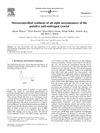
August 2004 in “Tetrahedron” In this study, all stereoisomers of cyoctol were synthesized and tested, revealing that contrary to initial patent claims, cyoctol does not function as an anti-androgen.
 January 2017 in “Cogent Medicine”
 In this study, extracts of Zataria multiflora Boiss. and Matricaria chamomilla, combined with minoxidil, significantly improved hair growth in androgenetic alopecia patients by potentially inhibiting 5α-reductase activity.
 July 2023 in “CRC Press eBooks”
 This review explores plant-based pharmacological advances for treating polycystic ovary syndrome, reporting no new clinical results but highlighting potential benefits for menstrual cycle regulation and testosterone reduction.

This review discusses the use of Adiantum capillus-veneris (Maidenhair fern) extract to treat COVID-19 symptoms and reports no new clinical results, emphasizing the need for controlled trials.
August 2026 in “Tạp chí Dược liệu” In this study, Curcuma longa, Eclipta prostrata, and Pogostemon cablin extracts were found to significantly promote human dermal papilla cell proliferation, while Chrysanthemum indicum and Eclipta prostrata exhibited strong antioxidant activities, indicating their potential for hair growth-promoting formulations.
 February 2026 in “International Journal on Science and Technology”
 This review discusses the potential benefits of Vitex negundo for managing polycystic ovarian disease, highlighting its promising effects in animal models, but notes that more rigorous human trials are needed to confirm these findings.
 50 citations
,
May 2011 in “Journal of Ethnopharmacology”
50 citations
,
May 2011 in “Journal of Ethnopharmacology” In this cell study, Eclipta alba extract inhibited cancer cell proliferation and induced apoptosis, showing potential antiproliferative and anti-metastasis effects on liver and related cancer cell lines.
20 citations
,
December 2021 in “Plants” This review concludes that Tamarix aphylla, used traditionally for ailments such as tuberculosis and hepatitis, demonstrates various pharmacological activities, including antidiabetic and wound-healing effects, but stresses the need for further research to confirm its safety and effectiveness in humans.
 July 2023 in “Journal of the Mexican chemical society”
 This study found that Hibiscus rosa-sinensis dried leaves extract displayed the strongest pancreatic lipase inhibitory activity among 37 tested plant extracts, showing potential as an anti-obesity agent with effects comparable to the pharmaceutical drug orlistat in reducing plasma triacylglycerol levels in rats.
 10 citations
,
October 2018 in “Plant Biotechnology”
10 citations
,
October 2018 in “Plant Biotechnology” This study identified two cytochrome P450 enzymes in Avicennia marina leaves that may contribute to the biosynthesis of triterpenoids, potentially responsible for the plant's medicinal properties.
 23 citations
,
February 2015 in “International Journal of Molecular Sciences”
23 citations
,
February 2015 in “International Journal of Molecular Sciences” This study found that colchicine treatment significantly reduced hair fiber elongation in cultured hair follicles and altered protein expression and activity in dermal papilla cells, suggesting a role for the ubiquitin-proteasome system in its effects.
This study concluded that a combination of millet seed extract, L-cystine, and calcium pantothenate may improve anagen hair rate in women with androgenetic alopecia over six months.
 23 citations
,
November 2015 in “Phytotherapy Research”
23 citations
,
November 2015 in “Phytotherapy Research” This study found that cucurbitacin I from bitter melon most effectively inhibited the growth of lung cancer cells and promoted hair cell growth in cell cultures.
 January 2020 in “Indian Journal of Pharmaceutical Sciences”
 In this study, combining Kuntai capsules with nilestriol tablets for three months was found to reduce symptoms of perimenopausal syndrome and improve reproductive hormone levels more effectively than nilestriol alone; however, the benefits did not persist significantly beyond three months.
 4 citations
,
August 2022 in “The Scientific World Journal”
4 citations
,
August 2022 in “The Scientific World Journal” This study found that bufotalinin, derived from Merremia peltata leaves, may enhance hair growth by acting as a potential androgen receptor antagonist in rabbits.
 January 2022 in “Pharmaceutical Sciences Asia”
 This study found that a liposome containing butterfly pea flower extract and clove oil was stable and, when used by 15 volunteers over 60 days, enhanced eyebrow thickness and darkness without causing irritation.
4 citations
,
January 2014 in “Repositorio Institucional” This study found that Clitocybin A from Clitocybe aurantiaca mushrooms may promote hair growth by enhancing cell-cycle progression and activating signaling pathways in dermal papilla cells.