6 citations
,
November 2022 in “Journal of Tissue Engineering and Regenerative Medicine” This study found that while zebularine did not significantly accelerate wound healing, it improved the quality of restored skin in mice, suggesting potential for further research into epigenetic inhibitors.
July 2024 in “Journal of Investigative Dermatology” In these two clinical trials, DS-2325a, a KLK5 inhibitor, was found to be generally safe and well tolerated in healthy volunteers, with mild and non-serious adverse events, suggesting its potential for further development as a treatment for Netherton Syndrome.
78 citations
,
May 2019 in “Frontiers in Cellular and Infection Microbiology” This study found that the antimicrobial peptide DPK-060 effectively reduced bacterial counts of Staphylococcus aureus and was safe for topical use in preclinical models, although nanocarrier encapsulation did not enhance its efficacy.
36 citations
,
November 2005 in “Forensic Science International” This study developed a new STR typing strategy for forensic casework, enabling the simultaneous analysis of 11 polymorphic systems, particularly useful for limited or degraded DNA samples such as telogen hair roots.
 6 citations
,
February 2023 in “Journal of nanobiotechnology”
6 citations
,
February 2023 in “Journal of nanobiotechnology” In this study, HA-P5, a nanoparticle derived from peptide and polysaccharide conjugation, effectively reduced acne lesions and sebum production by inhibiting specific receptors in cells, without triggering unfavorable reactions compared to a commercial inhibitor, highlighting HA-P5's potential as a novel acne treatment.
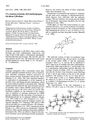 December 1998 in “Acta Crystallographica Section C-crystal Structure Communications”
 This study describes the molecular conformation and intermolecular interactions in the crystalline structure of the compound C24H31BrO4.
This study found that FGF5 alternative spliceosomes inhibit dermal papilla cell proliferation and regulate hair follicle growth-related gene expression, impacting hair follicle development in rabbits.
 April 2023 in “Journal of Investigative Dermatology”
 This study demonstrated that the Epidermal Biopotential Sensing System (EBSS) can measure digital biomarkers of pain in mice, suggesting potential applications in assessing pain and screening analgesics in populations with communication difficulties.
January 2026 in “British Journal of Dermatology” This study suggests that ELF5 plays a crucial role as a regulator and maintainer of stem/progenitor cell functions, impacting normal skin development and homeostasis.
16 citations
,
January 2023 in “Regenerative Biomaterials” This study examined 3D-printed scaffolds coated with polydopamine and observed that they significantly enhanced osteogenesis and angiogenesis in vitro and in a rat cranium defect model, suggesting their potential for repairing large bone defects.
 39 citations
,
January 2015 in “Annals of dermatology/Annals of Dermatology”
39 citations
,
January 2015 in “Annals of dermatology/Annals of Dermatology” This review discusses three newly identified forms of epidermolysis bullosa related to mutations in DST-e, EXPH5, and ITGA3, offering insights into their genetic and clinical characteristics but reports no new clinical results.
 5 citations
,
January 2022 in “Clinical cancer investigation journal”
5 citations
,
January 2022 in “Clinical cancer investigation journal” This study suggests that certain Dibenzo derivatives may be promising candidates for prostate cancer treatment due to their potential interactions with the androgen receptor and 5α-reductase enzyme.
1 citations
,
January 2024 in “Pharmaceuticals” The researchers reported that dPGS-PCL as a carrier improved the penetration of tofacitinib in an ex-vivo human skin model compared to free tofacitinib, but did not show significant differences in inhibiting IL-6 and IL-8 during short incubation.
 April 2019 in “Journal of Investigative Dermatology”
 This study found that DPP4 is significantly involved in matrix deposition and fibrosis in human skin fibroblasts, although the exact functions of DPP4 remain unclear.
3 citations
,
May 2007 in “Journal of Heterocyclic Chemistry” This study reports a new industrial process for making finasteride using novel protective groups, demonstrated through spectral data of newly prepared compounds.
1 citations
,
March 2025 in “Journal of Society of Cosmetic Chemists of Japan” In this study, BECD-treated wavy hair showed reduced undulation and improved straightening after drying, as BECD enhanced the contraction and rearrangement of molecular chains in non-keratin proteins, unlike untreated hair, which retained its wavy structure.
December 2021 in “Figshare” This study found that BBS7 downregulation in occlusal hypofunctional periodontal ligament tissue is associated with reduced Sonic hedgehog signaling activity, potentially playing a key role in maintaining PDL homeostasis.
January 2021 in “대한미용학회지” In this study, Boswellia administration improved symptoms of DNCB-induced dermatitis in mice and altered hair-related gene expressions, which might positively affect hair cycle disturbances caused by dermatitis.
 1 citations
,
March 2004 in “Journal of the American Academy of Dermatology”
1 citations
,
March 2004 in “Journal of the American Academy of Dermatology” This study discusses two cases of acneiform skin eruptions associated with the use of the EGFR inhibitor ZD1839 in prostate cancer treatment, emphasizing the need for dermatologists to be aware of potential skin reactions.
 August 2023 in “Processes”
 This study found that fermenting Dendrobium officinale with Lactiplantibacillus plantarum CCFM8661 and other strains increased polysaccharide yields and skin care activity, particularly with CCFM8631, which showed significant improvements in skin cell protection and inflammation reduction in both cell cultures and mouse models.
 1 citations
,
October 2019 in “مجله كليه طب الكندي”
1 citations
,
October 2019 in “مجله كليه طب الكندي” In this study, researchers highlight the role of androgens like dihydrotestosterone in the pathophysiology of acne, pointing to the enzyme 5a-reductase type 1 as potentially more active in individuals with acne, which may contribute to hormonal influences in the condition's development.
 44 citations
,
March 2016 in “Frontiers in cellular neuroscience”
44 citations
,
March 2016 in “Frontiers in cellular neuroscience” In this study using zebrafish, four bisbenzylisoquinoline derivatives were found to protect hair cells from aminoglycoside-induced damage without reducing antibiotic efficacy, potentially leading to therapies for patients undergoing such treatments.
 January 2026 in “Nanoscale Advances”
 In this study, a biocompatible zinc oxide nanocomposite loaded with the anticancer drug 9-Br-Nos demonstrated effective drug delivery and cytotoxicity against lung cancer cells in vitro, while also proving non-toxic to healthy cells, suggesting its potential for targeted lung cancer treatment.
 January 2016 in “International journal of advanced research in chemical sciences”
 This study developed a new spectrophotometric method to accurately measure finasteride levels in pharmaceutical formulations using a reaction with NBD-CL.
477 citations
,
March 2004 in “Proceedings of the National Academy of Sciences” This study reports that the DMI3 gene, essential for nodule formation in legume-rhizobial symbiosis, encodes a calcium/calmodulin-dependent protein kinase, highlighting its role in multiple plant symbioses.
 11 citations
,
August 2007 in “Bioorganic & Medicinal Chemistry Letters”
11 citations
,
August 2007 in “Bioorganic & Medicinal Chemistry Letters” This study found that among the tested analogs, compound 4e was the most effective in inhibiting wax esters in vivo in the Golden Syrian hamster ear model.
February 2006 in “Inpharma Weekly” 1 citations
,
June 2019 in “Journal of Cutaneous Immunology and Allergy” This report describes two cases where topical squaric acid dibutylester application in alopecia totalis patients led to severe pustular lesions, necessitating systemic prednisolone treatment.
47 citations
,
August 2024 in “Science Advances” This study introduces a new biomimetic double wound mask designed to promote scarless healing by coordinating multiple biological pathways and providing enhanced protection and nourishment to wounds.
 December 2023 in “The journal of physical chemistry. B (1997 : Online)”
 This study explored the potential of human hair keratin as a filtration material, finding that it may effectively absorb the pollutants diclofenac and perfluorobutanesulfonate. The researchers reported significant binding affinities through molecular simulations, supporting further investigation into keratin's use for water purification.