January 2008 in “Zhonghua linchuang mianyi he biantai fanying zazhi” This study found that treatment with Shunyou dispersible tablet and prednisone improved clinical symptoms in patients with lupus nephritis, showing significant benefits over time along with a good safety profile.
 November 2025 in “Reumatismo”
 In this study, the choice between Belimumab and Anifrolumab for treating Systemic Lupus Erythematosus was mainly influenced by the clinical features of the disease, such as chronic-active or relapsing-remitting courses and specific manifestations like cutaneous involvement or arthritis.
7 citations
,
February 2023 in “Exploration of Medicine” This review discusses various strategies for drug repurposing in tuberculosis treatment, highlighting significant potential but reports no new clinical results.
16 citations
,
April 2000 in “Contact dermatitis” In this report, a 19-year-old Japanese man experienced severe and prolonged urticarial reactions following treatment with diphenylcyclopropenone for alopecia universalis, emphasizing the need for caution with potent sensitizers.
23 citations
,
October 2008 in “Journal of medicinal chemistry” This study suggests that PF-0998425 is an effective androgen receptor antagonist for sebum control and androgenetic alopecia with rapid metabolism reducing the risk of systemic side effects.
January 2015 in “International Journal of Pharma and Bio Sciences” This review discusses the traditional medicinal uses of Tridax procumbens, attributing its therapeutic properties to various active phytochemicals, but reports no new clinical findings.
 8 citations
,
December 2008 in “Clinical and Experimental Dermatology”
8 citations
,
December 2008 in “Clinical and Experimental Dermatology” This article reports on a case where treatment-resistant giant unilateral Bowen’s disease of the scalp responded to radiotherapy, but provides no further clinical details or results.
 4 citations
,
August 2022 in “The Scientific World Journal”
4 citations
,
August 2022 in “The Scientific World Journal” This study found that bufotalinin, derived from Merremia peltata leaves, may enhance hair growth by acting as a potential androgen receptor antagonist in rabbits.
26 citations
,
July 1992 in “International Journal of Dermatology” In this study, treating refractory alopecia universalis with low-dose cyclosporine A and prednisolone improved symptoms, with no recurring alopecia six months post-treatment and enhancements in immunologic function.
 September 2024 in “Indian Journal of Dermatology Venereology and Leprology”
 Mesotherapy with bicalutamide has limited effectiveness for female hair loss.
July 2026 in “International Journal of Advanced Biochemistry Research” This study found that a herbal spray for treating bovine dermatophytosis was safe and economical, though conventional antifungal therapy had a higher cure rate.
36 citations
,
May 2005 in “BMC dermatology” This study found that topical diphenylcyclopropenone was effective in treating severe alopecia areata but had a high relapse rate and was often accompanied by side effects like eczema and lymphadenopathy.
October 2015 in “The American Journal of Gastroenterology” This case report observed a unique presentation of microscopic colitis with granulomatous inflammation in a patient whose symptoms resolved with budesonide treatment, suggesting a possible drug reaction, potentially linked to allopurinol.
 July 2003 in “Journal of Cutaneous Medicine and Surgery”
 Skin problems are common in Bangladesh due to arsenic, prompt treatment of diabetic foot ulcers is crucial, maternal transmission causes most neonatal herpes, treatments for pediatric vasculitis are effective, the chickenpox vaccine works, more frequent UVB therapy helps psoriasis, certain jobs increase hand dermatitis risk, monoclonal antibodies treat psoriasis well, lifestyle affects psoriasis, alefacept improves psoriasis, imiquimod cream partially clears basal cell carcinoma, and iron may not help chronic hair loss.
This study found that combining prodigiosin and essential oil from Thuja orientalis leaves showed a synergistic effect against the 3rd larva stage of Cx. pipiens, significantly reducing acetylcholine esterase activity and altering midgut pH, compared to untreated larvae.
This study found that a polyherbal formulation of Trigonella foenum-graecum seeds and Butea monosperma flowers significantly promoted hair growth and reduced dihydrotestosterone levels in a chemotherapy-induced alopecia model.
 9 citations
,
July 2018 in “European Journal of Dermatology”
9 citations
,
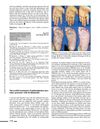
July 2018 in “European Journal of Dermatology” Brodalumab effectively treated a man's severe hand and foot psoriasis.
 July 2005 in “SKINmed/Skinmed”
 This study reported that BRL 7660 significantly reduced sebum secretion and acne symptoms in human studies with topical administration, but the placebo effect and commercial pressures halted further investigations.
 9 citations
,
January 2018 in “Acta Clinica Croatica”
9 citations
,
January 2018 in “Acta Clinica Croatica” This review suggests that bendamustine, alone or in combination, shows effectiveness in treating indolent non-Hodgkin lymphoma and chronic lymphocytic leukemia, with recent studies highlighting its benefits especially in combination therapies, while balancing efficacy with a favorable toxicity profile.
![Influence of FHIT on Benzo[a]pyrene-Induced Tumors and Alopecia in Mice: Chemoprevention by Budesonide and N-Acetylcysteine](/images/assets/f8f56777-f891-4879-8c45-c87d6aa82563/small/35499.jpg) 24 citations
,
May 2006 in “Proceedings of the National Academy of Sciences of the United States of America”
24 citations
,
May 2006 in “Proceedings of the National Academy of Sciences of the United States of America” This study reported that heterozygosity for FHIT affects mice's susceptibility to spontaneous alopecia areata and to certain preneoplastic lesions induced by benzo[a]pyrene, but does not change how they respond to budesonide and N-acetyl-L-cysteine.
January 2022 in “Drugs of Today” 37 citations
,
September 2002 in “Acta pædiatrica” In this study, a patient with cystic fibrosis developed iatrogenic Cushing's syndrome due to impaired clearance of budesonide from concurrent itraconazole use, highlighting the need for regular monitoring in such combination therapies.
 September 2025 in “Arthritis Research & Therapy”
 In this study, researchers found that the compound BMS-470539 induced a senescence-like state in fibroblasts from systemic sclerosis patients, reducing fibrosis-associated markers in vitro and decreasing skin thickness in a mouse model of skin fibrosis, suggesting a novel therapeutic strategy for managing fibroblast-driven diseases.
26 citations
,
January 2014 in “ALTEX” This study investigated the modes of action of selected pesticides, suggesting that prochloraz and tebuconazole are linked to reproductive disorders via steroidogenesis disruption, while mancozeb involves inflammatory processes.
This study found that theabrownin-selenium nanoparticles (TB-Se NPs) effectively target Malassezia-induced dermatitis through a dual antifungal and immunomodulatory mechanism, suppressing fungal overgrowth, reducing inflammation, and enhancing immune memory to prevent recurrence in a dermatitis model.
 49 citations
,
April 2003 in “Biomaterials”
49 citations
,
April 2003 in “Biomaterials” In this study, BS and BO combined showed a synergistic effect in enhancing wound healing in rat skin lesions compared to using either alone or Flamazine®.
![Discovery of 7-Methoxy-6-[4-(4-Methyl-1,3-Thiazol-2-yl)-1H-Imidazol-5-yl]-1,3-Benzothiazole (TASP0382088): A Potent and Selective Transforming Growth Factor-β Type I Receptor Inhibitor as a Topical Drug for Alopecia](/images/assets/9620bd26-3366-4f2a-bcac-f511697bbc41/small/35997.jpg) 6 citations
,
January 2013 in “Chemical & pharmaceutical bulletin/Chemical and pharmaceutical bulletin”
6 citations
,
January 2013 in “Chemical & pharmaceutical bulletin/Chemical and pharmaceutical bulletin” In this study, TASP0382088 showed potent selective inhibition of the ALK5 receptor, significantly reducing Smad2 phosphorylation in mouse skin following topical application.
 3 citations
,
January 1985 in “British Journal of Dermatology”
3 citations
,
January 1985 in “British Journal of Dermatology” In this study, a low concentration zinc sulphate solution was investigated for managing recurrent herpes simplex infections, but no new clinical results were reported.
7 citations
,
June 2018 in “Archives of Rheumatology” This case report describes a 37-year-old female with systemic lupus erythematosus who developed multiple eruptive dermatofibromas; lesions spontaneously resolved and highlight the rare coexistence of these conditions.
 5 citations
,
May 2025 in “Scientific Reports”
5 citations
,
May 2025 in “Scientific Reports” This study found that extracts from Indian gooseberry leaves showed strong antimalarial activity against Plasmodium falciparum, with low cytotoxicity, suggesting potential for developing new antimalarial drugs.