 39 citations
,
January 2019 in “Journal of the American Academy of Dermatology”
39 citations
,
January 2019 in “Journal of the American Academy of Dermatology” In this study, three children with severe alopecia treated with systemic tofacitinib showed significant hair regrowth, suggesting it may be a potential option for those unresponsive to conventional therapy.
 October 2023 in “Regular and Young Investigator Award Abstracts”
 This study found that Baricitinib significantly reduced hair loss and immune response in a mouse model of alopecia areata.
11 citations
,
February 2022 in “JAAD case reports” This case report observed hair regrowth following the treatment of alopecia universalis and atopic dermatitis with tofacitinib, a JAK inhibitor.
 26 citations
,
October 2020 in “Pediatric Dermatology”
26 citations
,
October 2020 in “Pediatric Dermatology” This study found that oral tofacitinib led to clinically significant improvement in alopecia areata severity scores among pre-adolescents, though results varied and further evaluation in clinical trials is needed.
 January 2025 in “Skin Health and Disease”
 In this report, oral baricitinib improved both alopecia areata and immune thrombocytopenia in a 56-year-old patient, suggesting a potential dual benefit for these conditions, although regular platelet monitoring and hematology consultation are recommended.

In this study, bicalutamide at low doses was not linked to significant liver enzyme changes compared to other androgen-blocking treatments in transfeminine adolescents and young adults, suggesting its safety with careful monitoring for this population over one year.
 January 2015 in “Journal of evolution of medical and dental sciences”
 In this study, topical tacrolimus 0.03% cream showed good to excellent response in treating alopecia areata in 70% of participants, with no cutaneous or systemic side effects observed.
 13 citations
,
January 2011 in “International Journal of Trichology”
13 citations
,
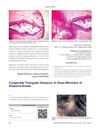
January 2011 in “International Journal of Trichology” CTA is often mistaken for AA but doesn't respond to steroids and may require hair transplantation.
1 citations
,
January 2021 in “Journal of clinical and diagnostic research” In this study, adding topical calcipotriol 0.005% to topical clobetasol 0.05% significantly improved treatment efficacy for Alopecia Areata compared to using clobetasol alone, as evidenced by a greater reduction in SALT scores over 24 weeks.
 July 2013 in “Journal of clinical & experimental dermatology research”
 This study found that prototype right heart circulatory assist devices significantly improved hemodynamics and reduced pulmonary vascular resistances in piglet models of acute hemodynamic shock.
May 2019 in “Journal of clinical oncology” This Phase 1 study reported that topical application of BPM31543 was safe and well-tolerated in patients receiving taxane-based chemotherapy, with some experiencing less than 50% hair loss, suggesting potential efficacy in reducing chemotherapy-induced alopecia, although no maximum tolerated dose was identified.
 July 2025 in “Journal of Cosmetic Dermatology”
 In this clinical study involving individuals with localized alopecia areata, TrA injections were found to significantly outperform MTX, leading to better hair regrowth and higher patient satisfaction, though both treatments had similar mild side effects.
 September 2024 in “Egyptian Journal of Dermatology and Venerology”
 This study found that intralesional injection of triamcinolone acetonide combined with latanoprost (a PGF2α analog) was more effective in treating localized alopecia areata, showing higher treatment response rates and greater reduction in severity scores compared to other treatments.
March 2026 in “Journal of the American Academy of Dermatology” In this study, patients with active lymphocytic cicatricial alopecia showed significant improvement using a three-stage treatment regimen involving Tofacitinib, Apremilast, and Crisaborole, with 93.5% experiencing marked improvement and only three mild adverse events reported.
 May 2025 in “Journal of Pharmacy And Bioallied Sciences”
 In this study, oral tofacitinib significantly reduced alopecia severity in pediatric patients with moderate-to-severe alopecia areata over 24 weeks, with 42.2% achieving complete or near-complete hair regrowth, although further research is needed on long-term safety and relapse rates.
 December 2024 in “Frontiers in Pediatrics”
 This case report details the first use of baricitinib in a pediatric patient with immune thrombocytopenia and alopecia areata, showing successful treatment with increased platelet counts.
1 citations
,
November 2016 in “Journal of dermatological treatment” In this report, two young patients with corticosteroid-refractory alopecia totalis experienced safety and efficacy from oral tacrolimus.
 37 citations
,
October 2017 in “Clinical and Experimental Dermatology”
37 citations
,
October 2017 in “Clinical and Experimental Dermatology” This article discusses the potential of oral tofacitinib as a treatment for atopic dermatitis, alopecia areata, and vitiligo, without presenting new clinical results.
 July 2022 in “SKIN The Journal of Cutaneous Medicine”
 This case report presents the first successful treatment of acne keloidalis nuchae with a combination of halobetasol 0.01% and tazarotene 0.045% lotion.
188 citations
,
October 2014 in “Thyroid” This study found that dabrafenib was well tolerated and led to durable responses in patients with BRAF-mutant differentiated thyroid carcinoma, with a median progression-free survival of 11.3 months.

This study concluded that oral tofacitinib significantly improved hair growth in patients with alopecia areata, alopecia totalis, and alopecia universalis over a 24-week period, but longer studies are needed to assess long-term safety.
 August 2025 in “BMJ Open”
 In this randomized controlled trial, researchers are assessing the efficacy and safety of acupoint catgut embedding combined with topical 5% minoxidil in treating androgenetic alopecia among 70 men, with primary outcomes focusing on changes in hair count after 24 weeks of treatment.
 2 citations
,
November 2021 in “ACG Case Reports Journal”
2 citations
,
November 2021 in “ACG Case Reports Journal” This case study reports that tofacitinib effectively treated alopecia areata in a patient with Crohn's disease and maintained her Crohn's disease management.
 April 2012 in “Informa Healthcare eBooks”
 Temporal triangular alopecia is a lifelong condition with hairless patches on the side of the head that may be present from birth.
16 citations
,
January 2021 in “Journal of the American Academy of Dermatology” In this study, researchers piloted an asynchronous telemedicine program for isotretinoin management in acne patients, finding that dosing outcomes were similar to synchronous visits and clinicians were comfortable adjusting doses remotely.

In this study, data from multiple sources found that Baricitinib significantly promoted hair regrowth and improved patient-reported outcomes in those with severe alopecia, with minimal side effects, over a 36-week period.
February 2024 in “Al-Azhar International Medical Journal /Al-Azhar International Medical Journal” This study concluded that topical betamethasone valerate lotion is more effective than topical 15% lactic acid solution for managing multiple patchy alopecia areata over a 12-week treatment period.
December 2025 in “PubMed” This study reports that baricitinib was effective and well-tolerated over 52 weeks for severe alopecia areata, with significant improvements in disease severity and no serious adverse events.
 November 2024 in “Journal of the European Academy of Dermatology and Venereology”
 This study found that nearly 40% of patients with severe alopecia areata who showed eyebrow or eyelash regrowth on baricitinib 4 mg achieved significant scalp hair regrowth by the second year of treatment.