 January 2026 in “The Eurasian Journal of Life Sciences”
 This review discusses recent advances in the development of electrospun pectin nanofibers for biomedical applications, highlighting strategies to improve their mechanical properties and biological functions and addressing challenges like material variability and regulatory issues.
 89 citations
,
November 2014 in “International Journal of Nanomedicine”
89 citations
,
November 2014 in “International Journal of Nanomedicine” This study suggests that spironolactone-loaded nanostructured lipid carriers could enhance follicular delivery and offer a more localized treatment for androgenic alopecia, potentially reducing systemic side effects.
 19 citations
,
April 2024 in “Journal of Umm Al-Qura University for Applied Sciences”
19 citations
,
April 2024 in “Journal of Umm Al-Qura University for Applied Sciences” This review explores the diverse roles of rosemary, covering its nutritional and medicinal uses, cosmetic and pharmaceutical applications, and evaluates various extraction methods, with a focus on sustainable practices and commercial prospects.
 15 citations
,
September 2018 in “Indian Research Journal of Pharmacy and Science”
15 citations
,
September 2018 in “Indian Research Journal of Pharmacy and Science” This article reviews the historical and therapeutic aspects of aromatherapy, discussing its effects on psychological and physical well-being but providing no new clinical findings.
 13 citations
,
March 2020 in “Frontiers in cell and developmental biology”
13 citations
,
March 2020 in “Frontiers in cell and developmental biology” This study suggests that 3,4,5-tri-O-caffeoylquinic acid activates β-catenin to enhance pigmentation in mouse hair follicles, human melanocytes, and melanoma cells during the hair cycle's growth phase.
 13 citations
,
September 2024 in “Frontiers in Pharmacology”
13 citations
,
September 2024 in “Frontiers in Pharmacology” This review highlighted the pharmacological potential of Mor, noting its protective effects on the kidneys, liver, bones, nervous system, heart, digestive system, skin, and lungs, as well as its anti-obesity and anti-inflammatory properties, revealing areas for future research.
 13 citations
,
January 2016 in “Journal of cosmetology & trichology”
13 citations
,
January 2016 in “Journal of cosmetology & trichology” This review discusses the emerging pathophysiological factors and potential new therapies for androgenetic alopecia beyond traditional treatments, but reports no new results.
 9 citations
,
January 1966 in “Economic botany”
9 citations
,
January 1966 in “Economic botany” Plant-based ingredients in hair care are being replaced by synthetic alternatives.
 8 citations
,
January 2020 in “Skin appendage disorders”
8 citations
,
January 2020 in “Skin appendage disorders” This review found that supplements containing saw palmetto may improve hair quality and density in patients with androgenetic alopecia and telogen effluvium, but more large-scale RCTs are needed for conclusive evidence.
 6 citations
,
October 2017
6 citations
,
October 2017 This review summarizes the antioxidant and anticarcinogenic properties of Indian Gooseberry, its phytochemical composition, and its use in traditional Ayurvedic medicine, but reports no new clinical results.
 6 citations
,
September 2012 in “Clinical Interventions in Aging”
6 citations
,
September 2012 in “Clinical Interventions in Aging” This study found that honokiol inhibits enzymes related to testosterone degradation in vitro, suggesting its potential as a lead compound for developing antiaging bioactive ingredients for men.
 4 citations
,
March 2019 in “Biodiversitas Journal of Biological Diversity”
4 citations
,
March 2019 in “Biodiversitas Journal of Biological Diversity” In this study of duku trees along the Batanghari River in Indonesia, researchers identified traits in mother trees that may help select for resistance to stem canker disease.
 3 citations
,
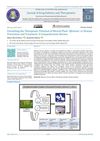
May 2024 in “Journal of Drug Delivery and Therapeutics”
3 citations
,
May 2024 in “Journal of Drug Delivery and Therapeutics” This review examines the therapeutic potential of Aftimoon (Cuscuta reflexa), focusing on its pharmacological properties and traditional uses in Unani medicine for various ailments, and highlighting its range of biological activities, including antioxidant and anti-inflammatory effects.
 2 citations
,
January 2025 in “Pharmaceutical Research”
2 citations
,
January 2025 in “Pharmaceutical Research” This article reviews the possible therapeutic activities of Angelica gigas Nakai root extracts and their components, noting their potential effects on neuro-cognitive, metabolic, and other health conditions, and reports no new clinical results.
 2 citations
,
September 2023 in “Frontiers in sustainable food systems”
2 citations
,
September 2023 in “Frontiers in sustainable food systems” This study found that Sinja Valley residents possess traditional knowledge of 13 edible oil-producing plant species, yet this knowledge is at risk due to sociocultural changes. Despite its benefits, including treating disorders like gastritis, use of indigenous oils is declining as commercial products become prevalent.
 1 citations
,
December 2022 in “Exploration of Medicine”
1 citations
,
December 2022 in “Exploration of Medicine” This review discusses the antioxidant and photoprotective potential of Polypodium leucotomos for use as a natural sunscreen ingredient and reports no new experimental results; further studies are recommended to evaluate its effectiveness.
 1 citations
,
April 2025 in “International Journal of Pharmaceutical Research and Applications”
1 citations
,
April 2025 in “International Journal of Pharmaceutical Research and Applications” This study formulated and evaluated a herbal shampoo with natural ingredients, finding it to be a viable alternative for hair cleansing and maintenance without adverse effects, suggesting it could reduce reliance on shampoos with synthetic chemicals.
 1 citations
,
January 2025 in “Frontiers in Pharmacology”
1 citations
,
January 2025 in “Frontiers in Pharmacology” This review discusses the therapeutic and pharmacological potential of total glucosides of paeony in dermatological treatment and notes the need for more rigorous scientific studies.
 November 2025 in “International Journal of Applied and Experimental Biology”
 In this review, the authors discussed the potential of hemp in cosmeceutics for skin conditions like acne and dermatitis, emphasizing its therapeutic properties and formulation challenges but noting the need for standardizing cannabinoid content and documenting effectiveness.
 October 2025 in “Journal of Drug Delivery and Therapeutics”
 In this review, the researchers compared the traditional use of Senna Makki in Unani medicine for various ailments to modern pharmacological evidence, endorsing its role as a laxative but indicating further research is needed for its efficacy in other therapeutic areas.
 May 2024 in “International journal of nanomedicine”
 This review highlights the potential of extracellular vesicles derived from medicinal plants as therapeutics for diseases such as cancer and inflammation, suggesting they may enhance the clinical use of herbal preparations, despite the challenges posed by extract complexity and individual variability.
 February 2024 in “PloS one”
 This study found that certain nutraceuticals did not interfere with tamoxifen's inhibition of estrogen in breast cancer cells and may enhance its effects, suggesting potential as an adjuvant therapy for hair loss in patients undergoing endocrine therapy.
 February 2024 in “Oriental Journal of Chemistry/Oriental journal of chemistry”
 This review reports various ethnomedicinal uses, phytochemical components, and potential pharmacological effects of Eclipta alba, highlighting benefits like wound healing and neuroprotection, though it underscores the need for further mechanism-based studies and clinical trials.
 December 2023 in “PubMed”
 This study highlights that homemade topical herbal preparations, although popular for their perceived safety, may lead to allergic reactions, notably with Mediterranean herbs, and advises cautious use, particularly for allergy-prone individuals.
 July 2022 in “International journal of KIU”
 This article outlines the scope, publication standards, and authorship responsibilities of the International Journal of KIU, but reports no new research results.
This study found that an herbal extract from Marking nuts, when compared to a standard drug, effectively inhibited the dandruff-causing organism Malassezia furfur and promoted hair growth on mice, suggesting potential use for dandruff treatment and hair rejuvenation.
 January 2022 in “International journal of pharmaceutical sciences review and research”
 This article reviews the benefits of herbal cosmetics over synthetic products, highlighting fewer side effects and improved skin and hair health, but presents no new clinical findings.
 April 2026 in “Frontiers in Pharmacology”
 In this study, a comprehensive literature review identified 181 plant species traditionally used for hemorrhoid treatment in Thailand, highlighting key species with pharmacological activities such as anti-inflammatory and analgesic effects, which are poised for potential pharmaceutical development.
 March 2026 in “Journal of Drug Delivery and Therapeutics”
 This review suggests that Aloe vera has potential benefits for various skin conditions by integrating Unani medicinal concepts with contemporary biomedical evidence.
 March 2026 in “Frontiers in Physiology”
 This study found no statistically significant protective effect of antioxidant therapy against acute mountain sickness, though results were inconclusive due to limited data and methodological variability.