 1 citations
,
November 2023 in “Rice”
1 citations
,
November 2023 in “Rice” This study found that PRX102, a peroxidase with a unique polar localization pattern, plays a role in root hair growth by aiding the transport of materials to the tips of growing root hairs.
1 citations
,
August 2022 in “Plant Signaling & Behavior” This study found that certain growth media combinations influence the development of Arabidopsis thaliana root hairs, identifying specific conditions that promote the growth of the longest root hairs.
 July 2026 in “Pharmaceuticals”
 This review highlights significant research trends and challenges in utilizing plant-derived extracellular vesicles for drug delivery and biomedical applications, emphasizing the need for standardized protocols and advanced purification technologies.
 July 2026 in “Pharmaceuticals”
 This review discusses the potential of marine-derived polysaccharide nanofibers as advanced wound dressings, highlighting their regenerative advantages in addressing inflammation, oxidative stress, and other healing barriers. However, it notes that clinical translation is limited by challenges in standardization, evidence, safety, and production scalability.
 April 2026 in “Nanomaterials”
 This perspective study suggests that plant-derived extracellular vesicles could advance the use of Ayurvedic medicinal plants in nanomedicine by enhancing their therapeutic potential and guiding future research.
 November 2025 in “International Journal of Molecular Sciences”
 This review highlights various treatments for androgenetic alopecia that target its underlying pathophysiological mechanisms, reporting enhanced hair growth, especially when combining drugs, which shows improved outcomes over individual drug use alone.
 December 2023 in “The journal of physical chemistry. B (1997 : Online)”
 This study explored the potential of human hair keratin as a filtration material, finding that it may effectively absorb the pollutants diclofenac and perfluorobutanesulfonate. The researchers reported significant binding affinities through molecular simulations, supporting further investigation into keratin's use for water purification.

This review highlights the potential of plant-derived natural compounds as biocompatible and biodegradable materials in dermal and transdermal delivery systems, emphasizing their unexplored benefits and detailing recent advances in isolation techniques and drug delivery technologies.
477 citations
,
March 2004 in “Proceedings of the National Academy of Sciences” This study reports that the DMI3 gene, essential for nodule formation in legume-rhizobial symbiosis, encodes a calcium/calmodulin-dependent protein kinase, highlighting its role in multiple plant symbioses.
90 citations
,
December 2008 in “Journal of Investigative Dermatology” Thyroid-stimulating hormone affects hair follicles but doesn't change hair growth or color.
31 citations
,
September 2012 in “Journal of biological chemistry/The Journal of biological chemistry” This study found that proper levels of retinoic acid, controlled by the enzyme Cyp26b1, are essential for normal hair follicle development and morphogenesis in mice.
28 citations
,
January 2009 in “Cellular & Molecular Biology Letters” This study concluded that finasteride-induced DHT deficiency intensified constitutive iNOS expression in rat testicular and epididymal cells, suggesting a complex regulatory relationship needing further investigation.
9 citations
,
January 2022 in “Biology” This study concluded that male mice are more susceptible to valproic acid-induced autism spectrum disorder than female mice, with noticeable differences in brain histoarchitecture and receptor protein levels.
5 citations
,
December 2023 in “Current Biology” A feedback loop between LRH and RSL4 controls root hair growth in Arabidopsis.
5 citations
,
April 2022 in “Pharmaceutics” This study reported that 5% minoxidil nanoparticles enhanced hair growth more effectively in mice than a commercial minoxidil solution, with significantly higher drug accumulation in the upper hair follicles.
 December 2021 in “Medicina estética”
 This literature review reported limited and low-quality studies on Serenoa repens for androgenetic alopecia, suggesting it may be effective but less so than finasteride, and highlighted the need for better-designed research to confirm its utility.
 January 2017 in “Journal of Investigative Dermatology Symposium Proceedings”
 This report discusses the Ninth World Congress for Hair Research and highlights the potential of hair follicle studies to advance understanding of various diseases, with no new clinical results presented.
September 2021 in “Medicina Estética Revista Científica de la Sociedad Española de Medicina Estética (SEME)” The treatment improved hair growth and thickness in most patients with minimal side effects.
 September 2021 in “Medicina estética”
 Sabal serrulata and biomimetic peptides with microneedling reduced hair loss and improved hair thickness in men with balding.
166 citations
,
November 2008 in “Expert Review of Endocrinology & Metabolism” This review discusses biotin and biotinidase deficiencies, their symptoms, and methods of medical management, without presenting new clinical findings.
101 citations
,
July 1985 in “Journal of the American Academy of Dermatology” In this study, oral biotin improved hair growth, strength, and combability in a child with uncombable hair syndrome, while hair in two others slowly improved without biotin.
 82 citations
,
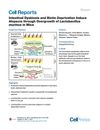
August 2017 in “Cell Reports”
82 citations
,
August 2017 in “Cell Reports” This study found that antibiotic-induced gut dysbiosis, particularly overgrowth of Lactobacillus murinus, can lead to hair loss in mice by depleting biotin.
 78 citations
,
January 2017 in “Skin appendage disorders”
78 citations
,
January 2017 in “Skin appendage disorders” This review discusses the use of biotin for hair and nail growth, noting clinical improvement in cases with existing pathologies, but concludes there is insufficient evidence supporting its benefits for healthy individuals.
 74 citations
,
July 1979 in “Lancet”
74 citations
,
July 1979 in “Lancet” This case report describes a 10-month-old boy with dermatitis, alopecia, and hypotonia who showed dramatic improvement with oral biotin, suggesting a possible defect in biotin absorption or transport.
 71 citations
,
January 2016 in “International Journal of Trichology”
71 citations
,
January 2016 in “International Journal of Trichology” This study found that 38% of women with hair loss had a biotin deficiency, suggesting oral biotin supplementation should be based on confirmed biotin deficiency rather than as a general treatment.
 57 citations
,
February 2018 in “Journal of the American Academy of Dermatology”
57 citations
,
February 2018 in “Journal of the American Academy of Dermatology” This review critiques the unwarranted promotion of biotin for hair and nail improvements, noting the lack of evidence for routine use and highlighting concerning trends in consumer and physician practices.
55 citations
,
December 1987 in “Archives of Dermatology” This review discusses two genetic disorders affecting biotin metabolism, each resulting in distinctive skin and hair manifestations, and outlines the associated serious metabolic complications.
55 citations
,
July 1983 in “Journal of the American Academy of Dermatology” This case study of three siblings highlights the importance of recognizing dermatologic signs—alopecia and periorificial dermatitis—for early diagnosis and treatment of biotin-responsive multiple carboxylase deficiency.
55 citations
,
November 2019 in “Cellular and Molecular Gastroenterology and Hepatology” This study found that oral biotin supplementation improved outcomes in a mouse model of inflammatory bowel disease by reducing inflammatory cytokine production and enhancing intestinal barrier integrity, suggesting potential therapeutic benefits for IBD patients.
50 citations
,
May 1985 in “The journal of pediatrics/The Journal of pediatrics” This study reported successful treatment of biotin deficiency in three patients receiving total parenteral nutrition, suggesting current biotin supplementation recommendations may be inadequate to maintain normal biotin status.