 11 citations
,
April 2013 in “SpringerPlus”
11 citations
,
April 2013 in “SpringerPlus” This study reports that melanocytes form a defined photoresponsive network in the skin that reads environmental light cycles and may influence the sleep-waking cycle similar to the pineal gland.
 10 citations
,
October 2020 in “Microscopy and Microanalysis”
10 citations
,
October 2020 in “Microscopy and Microanalysis” This study found that resveratrol significantly alleviated testicular damage in male rats caused by finasteride, which otherwise led to decreased testosterone levels and various histopathological alterations in the testes.
 10 citations
,
May 2019 in “International Journal of Environmental Research and Public Health”
10 citations
,
May 2019 in “International Journal of Environmental Research and Public Health” This study found that finasteride treatment in male rats altered steroid hormone homeostasis and caused kidney damage, suggesting potential risks for patients with renal dysfunction on androgen or antiandrogen therapy.
 9 citations
,
August 2024 in “Tissue Engineering and Regenerative Medicine”
9 citations
,
August 2024 in “Tissue Engineering and Regenerative Medicine” In this study, researchers suggest that strategic early intervention during fetal wound healing could lead to significantly improved long-term skin regeneration outcomes.
 6 citations
,
April 1996 in “Journal of histochemistry and cytochemistry/The journal of histochemistry and cytochemistry”
6 citations
,
April 1996 in “Journal of histochemistry and cytochemistry/The journal of histochemistry and cytochemistry” This study suggests that TGF-alpha may function in an autocrine or juxtacrine manner rather than promoting cell proliferation during hair growth cycles in ferrets and sheep.
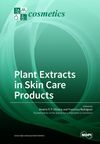 5 citations
,
August 2018
5 citations
,
August 2018 This paper highlights the growing scientific interest in plant extracts for cosmetics due to their potential benefits, including antioxidant, antimicrobial, and protective properties, while emphasizing the need for quality and safety assessment to mitigate possible adverse reactions.
 5 citations
,
May 2018 in “PloS one”
5 citations
,
May 2018 in “PloS one” This study demonstrated that both classical and atypical BSE strains from cattle can be transmitted to goats, highlighting the importance of surveillance in protecting public health.
 4 citations
,
October 2025 in “International Journal of Medical Sciences”
4 citations
,
October 2025 in “International Journal of Medical Sciences” This review reported that tripeptides, such as GHK and KdPT, show promise in enhancing wound healing through multiple mechanisms, including promoting cell migration, collagen deposition, and angiogenesis, while offering antimicrobial and anti-inflammatory benefits for both acute and chronic wounds.
 4 citations
,
July 2025 in “International Journal of Nanomedicine”
4 citations
,
July 2025 in “International Journal of Nanomedicine” This review explores nano-quercetin formulations to enhance the solubility, stability, and targeted delivery of quercetin, highlighting its potential efficacy in treating cancer, inflammation, metabolic diseases, and tissue regeneration, though challenges in biocompatibility, toxicity, and production remain, per this source.
 1 citations
,
August 2018 in “bioRxiv (Cold Spring Harbor Laboratory)”
1 citations
,
August 2018 in “bioRxiv (Cold Spring Harbor Laboratory)” This study reports that a novel gain-of-function mutation in TMEM173, combined with polymorphisms in TMEM173 and IFIH1, results in a distinct clinical phenotype with features of SAVI, including alopecia and photosensitivity.
 1 citations
,
May 2017 in “InTech eBooks”
1 citations
,
May 2017 in “InTech eBooks” This review discusses various treatments for noncicatricial alopecias, such as androgenetic alopecia and alopecia areata, including mesotherapy, microneedling, and platelet-rich plasma therapy, noting that outcomes vary across these procedures.
 1 citations
,
May 2017 in “Asian journal of medical sciences”
1 citations
,
May 2017 in “Asian journal of medical sciences” This study found that dietary supplementation with collagen, chondroitin sulfate, low-molecular weight hyaluronic acid, Pycnogenol®, and coenzyme Q10 significantly improved skin hydration, elasticity, nail hardness, and hair condition in patients with age-related dermatological changes after 12 weeks.
 1 citations
,
July 2005 in “Informa Healthcare eBooks”
1 citations
,
July 2005 in “Informa Healthcare eBooks” Hair follicles could be used for targeted drug delivery, with liposomal systems showing promise for this method.
 1 citations
,
January 2001 in “Journal of Toxicology-cutaneous and Ocular Toxicology”
1 citations
,
January 2001 in “Journal of Toxicology-cutaneous and Ocular Toxicology” This review discusses the roles of hair follicles and sebaceous glands in percutaneous transport and reports no new results, noting a lack of adequate models and methodologies.
 June 2026 in “Discover Nano”
 This review discusses current treatment strategies for alopecia and highlights the potential of lipid-based nanoparticles to improve drug delivery to the scalp and hair follicles, noting their ability to enhance skin penetration and drug stability while outlining associated challenges and the need for further research.
 December 2025 in “Frontiers in Nutrition”
 This review suggests that although hydrolyzed collagen peptides with certain supplements may improve skin elasticity and joint function, evidence for collagen's anti-aging and regenerative benefits remains inconsistent.

This study utilized polarized light microscopy to examine hair shafts in ten children with rare genetic disorders, such as Netherton syndrome and ectodermal dysplasia, providing valuable diagnostic insights into hair thickness, composition, and structural irregularities associated with these conditions.
 January 2024 in “bioRxiv (Cold Spring Harbor Laboratory)”
 In this study, the researchers found that deleting ceramide synthase 4 in the skin's epidermis alters stem cell differentiation, disrupting hair follicle structure and barrier function, potentially leading to immune responses similar to atopic dermatitis.
 November 2023 in “Linköping University medical dissertations”
 This research presents a comprehensive workflow for producing EMA-compliant autologous keratinocyte-based therapies for wound healing and explores miRNA-mediated regulations in human keratinocytes and adipose-derived mesenchymal stem cells.

In preclinical studies, topical CUR61414 reduced Hh signaling and shrank BCCs in mice, but this study found no clinical efficacy in human superficial or nodular BCCs.
 January 2014 in “Journal of Investigative Dermatology”
 Proteins like aPKC and PDGF-AA, substances like adenosine and ATP, and adipose-derived stem cells all play important roles in hair growth and health, and could potentially be used to treat hair loss and skin conditions.
 January 2006 in “Carl von Ossiezky University of Oldenburg”
 This study observed that unpigmented keratinocytes saturate quickly with foreign substance uptake compared to pigmented melanocytes, where melanin significantly enhances binding.
 June 1996 in “Irish Journal of Medical Science (1971 -)”
 This study found a statistically significant increase in glycosylated hemoglobins among patients with adult-acquired panhypopituitarism undergoing long-term GH replacement therapy, with two developing diabetes requiring treatment.
 112 citations
,
November 2023 in “Nano-Micro Letters”
112 citations
,
November 2023 in “Nano-Micro Letters” This review discusses the developments over the past five years in nanozyme-based theranostics for tumor therapy, including their classification, design, and synergistic strategies. It also outlines the challenges and prospects of using nanozymes to enhance selectivity, biosafety, repeatability, and stability in therapeutic applications.
 103 citations
,
November 2014 in “Journal of Cell Biology”
103 citations
,
November 2014 in “Journal of Cell Biology” This study found that overexpression of miR-214 in keratinocytes inhibits hair follicle development and cycling by targeting β-catenin in the Wnt signaling pathway.
 38 citations
,
June 2018 in “Archives of Toxicology”
38 citations
,
June 2018 in “Archives of Toxicology” This review suggests that skin may largely protect itself from CYP-generated reactive metabolites due to higher conjugating enzyme activities, while highlighting limitations in modeling human skin metabolism experimentally.
 34 citations
,
April 2014 in “Psychopharmacology”
34 citations
,
April 2014 in “Psychopharmacology” This review discusses the pharmacological properties and physiological regulation of neuroactive steroids, focusing on their varied responses to stress and ethanol in rats, mice, and humans, but it reports no new findings.
 28 citations
,
January 2017 in “Critical Reviews in Therapeutic Drug Carrier Systems”
28 citations
,
January 2017 in “Critical Reviews in Therapeutic Drug Carrier Systems” This review classifies engineered nanomaterials by composition and application in biomedicine, highlighting diverse uses like regenerative medicine and potential occupational side effects, but reports no new clinical results.
 17 citations
,
August 2024 in “Discover Nano”
17 citations
,
August 2024 in “Discover Nano” This review summarizes that polyesters hold promise for vascular tissue engineering due to their mechanical properties and biodegradability, but optimizing their use in repairing damaged blood vessels remains challenging due to the complexity of vascular tissues.
 13 citations
,
March 2013 in “International Journal of Cosmetic Science”
13 citations
,
March 2013 in “International Journal of Cosmetic Science” This study reports that the tetrapeptide AcSDKP significantly promotes skin and hair health in vitro and ex vivo, suggesting it could be used cosmetically to counteract skin aging and hair loss.