 April 2025 in “Journal of Medical Residency Review”
 This review examined the use of platelet-rich plasma in aesthetic skin rejuvenation and found promising results when combined with other treatments, but limited efficacy when used alone.
 March 2026 in “Quality in Sport”
 This review evaluates photobiomodulation's diverse clinical uses in sports and medicine, reporting physiological modulation and potential therapeutic benefits, but emphasizes the importance of precise dosimetry for success.
September 2017 in “Journal of Investigative Dermatology” RCS-01 is safe and may help rejuvenate aging skin.
 February 2026 in “Journal of Aesthetic Medicine”
 This narrative review concluded that facial aging involves complex anatomical changes that require multimodal rejuvenation approaches, integrating fillers, collagen stimulators, botulinum toxin, and energy-based devices for effective results, while emphasizing the need for scientific evidence and patient safety in aesthetic treatments.
March 2016 in “Journal of aesthetic nursing” This article discusses the use of platelet-rich plasma (PRP) for skin rejuvenation and reports no new clinical results.
 February 2026 in “Plastic and Aesthetic Research”
 This narrative review examines advancements in regenerative aesthetic medicine, focusing on injectable modalities like PRP, polynucleotides, and exosomes, but highlights the need for more robust evidence and standardization in clinical applications.
 22 citations
,
July 2024 in “Archives of Plastic Surgery”
22 citations
,
July 2024 in “Archives of Plastic Surgery” This review detailed the types and mechanisms of injectable "skin boosters" and evaluated their effectiveness and safety for mitigating age-related skin changes, providing insight into their use in contemporary dermatological practice.
This article introduces REVVup Hair Therapy as an alternative to surgery for early-stage hair loss but reports no new clinical findings.
 January 2026 in “Journal of Hard Tissue Biology”
 This study found that red LED photobiomodulation significantly enhanced both the metabolic activity and proliferation of human placenta-derived pericytes, alongside increased expression of angiogenic markers, suggesting a potential non-invasive approach to aid tissue repair and vascular regeneration.
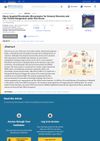 November 2023 in “ACS Nano”
 In a mouse model of deep skin burns, this study found that a neuro-inspired biomimetic microreactor, when delivered through a hydrogel and activated by near-infrared light, significantly promoted functional skin regeneration, sensory recovery, and hair follicle formation.
1 citations
,
January 2016 This review discusses the diverse applications of platelet-rich plasma in tissue repair, aesthetic medicine, and hair restoration, but reports no new clinical results.
September 2024 in “Journal of the American Academy of Dermatology” Natural extracts like kombucha, marine enzymes, and prebiotics can improve and restore damaged skin.
28 citations
,
April 2024 in “Skin Research and Technology” This review concludes that platelet-rich plasma treatments significantly improve various facial skin parameters, particularly when combined with hyaluronic acid, and stresses the need for standardized preparation protocols.
23 citations
,
May 2013 in “Facial Plastic Surgery Clinics of North America” This article reviews autologous cell therapy for facial wrinkles, detailing the use of LaViv and its adverse events, but reports no new clinical results.
 November 2022 in “Journal of Investigative Dermatology”
 This study reported that an ex vivo organ culture system effectively induced aging-related changes in healthy human skin, allowing testing of senolytics like tretinoin, resveratrol, and caffeine.
 October 2022 in “Journal of Pharmaceutical Negative Results”
 This review examines the therapeutic effects of photobiomodulation on severe medical illnesses but reports no new clinical results; it emphasizes its potential in neurology, pulmonology, inflammation, dermatology, wound healing, and oncology.
September 2023 in “Journal of the American Academy of Dermatology” May 2023 in “Journal of Drugs in Dermatology” This study reported that the novel topical serum REVIVV®, containing a blend of phytochemicals, significantly improved hair growth and reduced shedding in 150 participants with androgenetic alopecia after 8 weeks of use, while also being rated easy to use and prompting plans for continued use.
September 2025 in “Stem Cell Research & Therapy” This review suggests that extracellular vesicles and conditioned media might be safe and effective for skin rejuvenation and lightening, but further high-quality studies are needed to confirm these findings.
 18 citations
,
February 2017 in “Journal of Cosmetic Dermatology”
18 citations
,
February 2017 in “Journal of Cosmetic Dermatology” This study reports that mesotherapy for androgenetic alopecia may paradoxically lead to hair loss and scarring, highlighting the need for improved regulation and monitoring of this treatment.
 January 2026 in “Frontiers in Natural Products”
 This study found that combining shikimic acid with Prunus mume fruit extract significantly reduces type I 5α-reductase levels in testosterone-stressed skin sebocytes, surpassing the effects of shikimic acid or standard acne treatments alone, and shows promise for stable, non-irritating acne remedies in cosmetic formulations.
 January 2023 in “Annali di stomatologia”
 This review traces the development and application of Platelet-rich Plasma in regenerative medicine, emphasizing its role in tissue healing and bone regeneration, but reports no new clinical results.
 15 citations
,
March 2015 in “Facial plastic surgery”
15 citations
,
March 2015 in “Facial plastic surgery” This article series reviews volumetric restoration techniques for different facial regions by expert authors, offering assessments of specific products but provides no new clinical results.
 February 2026 in “Nano Research”
 In this study, researchers developed a near-infrared-responsive nanoplatform that synergistically enhances chronic wound healing by accelerating mitochondrial restoration and immune modulation, leading to enhanced wound repair and high-quality healing in diabetic rat models.

This review explores the potential of regenerative cosmetics, specifically engineered skin tissues, for rejuvenating aging skin, healing wounds, and restoring hair, offering promising alternatives to traditional dermocosmetic treatments by promoting collagen production, reducing wrinkles, and regenerating hair follicles.
 February 2026 in “International Journal of Basic & Clinical Pharmacology”
 This study found that hair rejuvenation therapies and patient comorbidities, such as diabetes mellitus, were significantly associated with adverse drug reactions in cosmetic treatment recipients.
 51 citations
,
November 2018 in “JAMA Dermatology”
51 citations
,
November 2018 in “JAMA Dermatology” This study found that participant self-assessments suggested greater improvement in the texture and wrinkles of facial skin treated with PRP compared to normal saline, though dermatologist ratings showed no significant difference.
 December 2024 in “Journal of Clinical Medical Research”
 This study explores regenerative medicine's potential to improve quality of life, especially in aging populations, by examining key components like triggering agents, potentiators, and additives, and how their combined use may accelerate tissue repair through a strategy called stacking.
25 citations
,
February 2025 in “Frontiers in Bioengineering and Biotechnology” This review covers advancements in skin repair and rejuvenation technologies, highlighting potential benefits of stem cell therapy, bioengineered skin substitutes, PRP, exosome therapies, and gene editing for conditions such as chronic wounds and genetic disorders, though challenges in accessibility, safety, and long-term effectiveness remain.
2 citations
,
September 2025 in “Journal of Clinical Medicine” This review highlights the potential of regenerative medicine therapies, such as biologics and emerging technologies, to significantly impact aesthetic and reconstructive procedures in plastic surgery and dermatology.