 January 2025 in “bioRxiv (Cold Spring Harbor Laboratory)”
 This study found that rhamnose can restore hair-inducing gene expression in dermal papilla cells and accelerate hair follicle regeneration by promoting the hair cycle into the anagen phase, suggesting its potential therapeutic application for alopecia treatment.
 November 2024 in “Journal of Scientific Agriculture”
 This paper reviews the benefits of using silk proteins as natural ingredients in cosmetics, highlighting their potential for improving skin and hair health due to properties like antimicrobial activity, UV resistance, and enhanced moisture absorption.
In this study, researchers developed a method using stencils to create controlled stiffness gradients in alginate hydrogels, revealing that stiffer regions within the gels promote deeper invasion by breast cancer cells, facilitating the study of mechanosensitive cellular behaviors.
 May 2024 in “International journal of nanomedicine”
 This review highlights the potential of extracellular vesicles derived from medicinal plants as therapeutics for diseases such as cancer and inflammation, suggesting they may enhance the clinical use of herbal preparations, despite the challenges posed by extract complexity and individual variability.
 March 2024 in “Drug development & registration”
 This review highlights the potential of mesenchymal stem cell secretome for developing topical treatments aimed at skin regeneration and treating various diseases, but notes a lack of studies on safety, efficacy, and standardization processes for its clinical use.
 February 2024 in “Digital Library of Theses and Dissertations (Universidade de São Paulo)”
 This study demonstrated that using a mass spectrometry imaging technique, researchers were able to visualize the incorporation of argan, avocado, and coconut oils into hair fibers, suggesting their potential in cosmetic and alopecia treatments by confirming oil absorption and fiber modification.
 January 2024 in “International Journal of Scientific Research in Science and Technology”
 This review analyzes Platelet-Rich Plasma therapy for facial aesthetics, discussing its principles, efficacy, safety, and future research directions, but reports no new clinical results.
 November 2023 in “npj regenerative medicine”
 This study found that engineered reconstituted skin can form morphogenetic units that promote tissue patterning and hair regeneration, with certain signaling pathways restoring this ability in adult and fetal cells.
 November 2023 in “Frontiers in veterinary science”
 In this study, researchers used yaks as a natural model to investigate hair growth mechanisms, overcoming previous limitations by establishing in vitro models of hair follicle-associated cells and optimizing methods for cell culture and differentiation.
 September 2023 in “HAL (Le Centre pour la Communication Scientifique Directe)”
 In this study, peptide-based nanoparticles were successfully used to deliver the CRISPR-Cas9 system into cancer cells, effectively targeting and editing KRAS mutations, suggesting promising therapeutic potential for cancer treatment.
 July 2023 in “Indian Journal of Animal Health”
 This study found that fibroblast growth factor 5 may enhance Cashmere goat hair growth by altering the expression of specific genes related to keratin and keratin-associated proteins.
 January 2023 in “Åbo Akademi University Research Portal”
 This study found that vimentin is essential for proper wound healing and cell growth by influencing EMT signaling and mTOR activity in mice.
 September 2022 in “Institutional Repositories DataBase (IRDB)”
 3D-oxy exosomes may significantly boost hair growth, offering new treatment options for hair loss.
This study found that sericin dressing containing collagen hydrolysate significantly reduced wound healing time and improved scar quality compared to commercial dressing in split-thickness skin graft donor sites.

This research concluded that the novel hydrogel PlacMA, derived from human placenta and curable by visible light, shows promise for cell culture and tissue engineering applications due to its tunable properties.
 August 2019 in “Research Square (Research Square)”
 This study explored how long non-coding RNA mediates the effects of FGF5 on the hair follicle development and villus growth of Liaoning cashmere goats.
 January 2016 in “Springer eBooks”
 New materials and methods could improve skin healing and reduce scarring.

Chemicals and stem cells combined have advanced regenerative medicine with few safety concerns, focusing on improving techniques and treatment effectiveness.
 December 2011 in “Asia-Pacific biotech news”
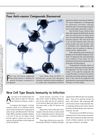
 This collection of research news highlights various scientific advancements, including discoveries in anti-cancer compounds, new cell types that boost immunity, and a potential Parkinson's breakthrough in Australia, among others from China, India, Korea, Singapore, and Thailand.
 16 citations
,
October 2021 in “Techniques in Coloproctology”
16 citations
,
October 2021 in “Techniques in Coloproctology” This study found that using autologous adipose-derived stromal vascular fraction enriched with platelet-rich plasma may improve healing rates in patients undergoing flap repair for transsphincteric cryptoglandular fistulas.
 6 citations
,
January 2020 in “The journal of investigative dermatology/Journal of investigative dermatology”
6 citations
,
January 2020 in “The journal of investigative dermatology/Journal of investigative dermatology” This study found that topically applied liposomal spherical nucleic acids targeting the IL-17 receptor could effectively reduce psoriasis severity in preclinical models.
 3 citations
,
November 2018 in “Journal of cellular physiology”
3 citations
,
November 2018 in “Journal of cellular physiology” In laboratory settings, this study suggests that Serenoa repens and N-acetyl glucosamine with milk proteins may promote hair follicle vascularization through specific cellular interactions and actions.
January 2025 in “Multimedialen Archiv und Publikationsserver der Christian-Albrechts-Universität zu Kiel (Christian-Albrechts-Universität zu Kiel)” In this study, human gingival mesenchymal stem cells responded differently to inflammation mediated by oxidized low-density lipoprotein (oxLDL) compared to cytokines; oxLDL significantly reduced cell proliferation but had less negative impact on differentiation characteristics.
 October 2024 in “Current Trends in Biotechnology and Pharmacy”
 In this study, researchers developed a halal shampoo containing Centella asiatica and Phyllanthus emblica extracts, finding that a formula with specific concentrations exhibited high antioxidant activity and ideal physicochemical properties for hair cleansing and potential hair growth promotion.

The document listed various medical job opportunities with competitive benefits and living conditions.
 21 citations
,
September 2024 in “Cureus”
21 citations
,
September 2024 in “Cureus” This review explores the mechanisms, techniques, and clinical applications of microneedling, highlighting its advantages and challenges in skin rejuvenation, and discusses future innovations in the field as it continues to evolve.
 21 citations
,
January 2023 in “The International Journal of Developmental Biology”
21 citations
,
January 2023 in “The International Journal of Developmental Biology” This review examines the Wnt signaling pathway's role in regeneration across key model species, but it reports no new findings and highlights the need for more research to understand the underlying molecular mechanisms.
 5 citations
,
January 2012 in “Journal of Tissue Science & Engineering”
5 citations
,
January 2012 in “Journal of Tissue Science & Engineering” In this study, collagen I decellularized scaffolds enhanced the growth and melanotic properties of hair follicle melanocytes, suggesting their potential as effective carriers for transplantation in vitiligo treatment.
 June 2026 in “Gümüşhane Üniversitesi Fen Bilimleri Enstitüsü Dergisi”
 This study observed that biodegradable PVA/agar films with incorporated Achillea millefolium L. essential oil, especially at 1% (v/v), demonstrated good mechanical performance and selective antibacterial activity against E. coli, suggesting their potential as wound dressings.
 November 2025 in “Frontiers in Veterinary Science”
 In this study, feeding H-line chickens a diet with 1.0% tyrosine for 40 days significantly increased melanin deposition in feathers and revealed changes in gene expression related to melanin pathways, suggesting tyrosine's involvement in regulating feather color through the EDNRB2 regulatory network.