 March 2026 in “Cosmoderma”
 This clinical study found that using a cream or lotion as an additional treatment alongside standard care for atopic dermatitis significantly reduced symptoms and improved skin moisturization and barrier function within 28 days compared to standard care alone in participants with mild-to-moderate eczema.
November 2022 in “Zenodo (CERN European Organization for Nuclear Research)” August 2002 in “British journal of ophthalmology” This article reports that while surgical excision is often the best treatment for SCC, intralesional cidofovir also showed success without systemic toxicity in the case discussed.
 November 2024 in “International Journal of Research in Dermatology”
 SesZen-BioTM improves skin health and reduces signs of aging.
 26 citations
,
June 2018 in “The journal of immunology/The Journal of immunology”
26 citations
,
June 2018 in “The journal of immunology/The Journal of immunology” This study demonstrated that AIRE-deficient rats exhibit key symptoms of APECED, making them a relevant model for exploring potential treatments.
9 citations
,
August 2021 in “Biomedicines” This study found that 17β-estradiol was the most powerful hormone for inducing APE1/Ref-1 secretion in cultured vascular endothelial cells, with secretion occurring through exosomes dependent on estrogen receptors and intracellular calcium.
 2 citations
,
July 2005 in “International Joint Conference on Artificial Intelligence”
2 citations
,
July 2005 in “International Joint Conference on Artificial Intelligence” This study suggests that EREG, released from ORS cells, may promote hair growth by activating specific receptors and modulating ROS generation, offering a potential new treatment for hair loss.
17 citations
,
January 2025 in “Journal of Nanobiotechnology” This review discusses the potential of bacterial extracellular vesicles in regenerative medicine, highlighting their advantages in addressing current EV challenges, and provides strategies for optimizing their preparation; it reports no new clinical results.
 May 2014 in “Journal of The American Academy of Dermatology”
 The number of new cases of cutaneous B-cell lymphoma has leveled off since the early 2000s, and survival rates have improved since 1973.
January 2017 in “Elsevier eBooks” Telogen effluvium is a condition that causes temporary hair loss due to stress or shock to the body.
 November 2023 in “Journal of cosmetic dermatology”
 This report describes three cases of erythromelanosis follicularis faciei et colli showing significant improvement in facial telangiectasia following treatment with a 595-nm pulsed dye laser, with minimal recurrence observed during follow-up.
11 citations
,
January 1996 in “PubMed” This study observed that Nod factor stimulation in alfalfa roots leads to dynamic changes in the cytoskeleton and endoplasmic reticulum, suggesting a mechanism for root hair growth changes.
 July 2023 in “Nasza Dermatologia Online”
 More research is needed on CCCA in children, especially Black and Asian adolescents.
1 citations
,
February 2023 in “Pharmaceutics” This article reviews cell proteomic footprinting technology and its application in improving the authentication and quality control of cell-based immunotherapeutics, without providing new clinical results.
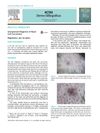 May 2015 in “Actas Dermo-Sifiliográficas”
 A young man was unexpectedly diagnosed with basal cell carcinoma after a scalp examination and confocal microscopy.
19 citations
,
January 2012 in “Dermatology” This study describes three cases of acneiform eruptions from EGFR inhibitors that improved with topical recombinant human EGF, suggesting its potential as a treatment option for this side effect.
 3 citations
,
September 2019 in “Clinical and experimental dermatology”
3 citations
,
September 2019 in “Clinical and experimental dermatology” This study found that basal cell carcinoma cells differentiate along hair follicle lineages and may be influenced by hair follicle cycle modulators for potential therapeutic targeting.
9 citations
,
April 2018 in “Canadian Journal of Animal Science” This study found that LEF-1 expression influences dermal papilla cells' proliferation through Wnt signaling, impacting the potential for cashmere yield improvement.
 7 citations
,
September 2017 in “Pharmacoepidemiology and Drug Safety”
7 citations
,
September 2017 in “Pharmacoepidemiology and Drug Safety” This study observed a strong overall reduction in the use of CPA/EE in the Netherlands, despite similar proportions of users with acne or other hyperandrogenic conditions before and after the referral procedure.
January 2022 in “Chemistry: A European Journal” This study found that synchrotron radiation ECD imaging provides new insights into solid-state Finasteride by highlighting the significant role of anisotropy in local domains for chiroptical measurements.
7 citations
,
March 2022 in “International Journal of Molecular Sciences” This study found that FGF21 suppresses inflammation induced by C. acnes in both human skin cells and mouse models, suggesting potential use in acne treatment.
January 2024 in “Skin Appendage Disorders” This source reports that SET may offer notable cosmetic improvements and enhance well-being for patients with CA, serving as a cost-effective treatment option either alone or alongside hair transplantation.
 August 2023 in “Natural Resources for Human Health”
 This paper offers a detailed overview of B vitamins, detailing their importance for energy, cognition, and metabolism, conditions leading to their deficiencies, symptoms of deficiencies, and the foods rich in these essential nutrients.
 April 2024 in “Canadian Journal of Ophthalmology”
 The authors report that a 62-year-old woman with invasive conjunctival squamous cell carcinoma experienced complete remission two years after combining cemiplimab, retinoic acid, and IFNα-2b treatments, highlighting potential utility despite limited availability of IFNα-2b.
This study mapped the curly mutation in mice to a specific region on chromosome 11, identifying it as a candidate model for studying human genetic hair disorders.
 1 citations
,
January 2024
1 citations
,
January 2024 CaBP1 and CaBP2 are necessary for proper hearing and neurotransmission in the ear's inner hair cells.
344 citations
,
May 2018 in “EMBO journal” This review discusses the regulation of the MiT-TFE family transcription factors, particularly TFEB, through phosphorylation-mediated subcellular localization and reports no new clinical results.

CaBP1 and CaBP2 are necessary for proper hearing and neurotransmission in the ear's inner hair cells.
August 2015 in “Europe PMC (PubMed Central)”