 February 2026 in “Molecules”
 This study reported that a novel nanomedicine combining berberine and sinapic acid significantly inhibited the growth of mouse mammary carcinoma cells and demonstrated an anti-tumor effect in vivo, without significant systemic toxicity after 28 days, suggesting a promising, low-toxicity therapeutic strategy for breast cancer.
 36 citations
,
December 2002 in “Experimental dermatology”
36 citations
,
December 2002 in “Experimental dermatology” This study found that procyanidin B-3, a compound isolated from barley extract, may promote hair growth by enhancing hair epithelial cell growth and counteracting TGF-β1's growth-inhibiting effects in vitro and in vivo.
 1 citations
,
August 2021 in “Journal of The American Academy of Dermatology”
1 citations
,
August 2021 in “Journal of The American Academy of Dermatology” In this study, baricitinib treatment led to significant regrowth of scalp, eyebrow, and eyelash hair in alopecia areata patients compared to placebo, with higher effectiveness seen at the 4-mg dose.

This article discusses the broad traditional uses and potential pharmaceutical applications of burdock, recommending the development of new products but reporting no experimental findings.
 November 2023 in “Dermatology and Therapy”
 This study found that treatment with baricitinib 4 mg over 52 weeks led to clinically meaningful regrowth of eyebrows and eyelashes in patients with alopecia areata, even without complete scalp hair regrowth.
3 citations
,
May 2025 in “Carbohydrate Polymers” In this study, researchers developed a dissolvable microneedle patch containing baricitinib for alopecia areata treatment, reporting significantly higher hair growth in mouse models compared to controls, suggesting its potential as an effective, pain-free topical therapy.
16 citations
,
April 2022 in “Journal of Food Quality” This study found that blueberry waste in Australia has high phenolic content and antioxidant potential, suggesting potential uses in food, pharmaceutical, and nutraceutical industries.
 35 citations
,
December 2006 in “Journal of medicinal food”
35 citations
,
December 2006 in “Journal of medicinal food” This study found that topical application of Morinda pubescens fruit extract significantly accelerated wound healing and hair regrowth in rats compared to controls, with complete wound contraction and new hair growth observed in treated animals.
 January 2025 in “SKIN The Journal of Cutaneous Medicine”
 In this analysis of the BRAVE-AA trials, a significant number of patients with severe alopecia areata treated with baricitinib reached complete or nearly complete scalp coverage (SALT score ≤10 or ≤5) over 52 weeks, particularly among those with less severe baseline characteristics.
June 2025 in “Clinical and Experimental Dermatology” In this case report, a 25-year-old woman with alopecia areata experienced hair regrowth after treatment with baricitinib, despite not responding to conventional treatments, with the new hair initially appearing dark brown.
In this study on mice, a baricitinib-loaded microneedle patch enhanced hair growth in alopecia areata lesions (68% vs control: 33%, p < 0.05), suggesting it may deliver treatment effectively and pain-free, with fewer systemic side effects.
 6 citations
,
February 2023 in “Advances in Therapy”
6 citations
,
February 2023 in “Advances in Therapy” This study found that patients with rheumatoid arthritis, atopic dermatitis, and alopecia areata receiving baricitinib had low incidence rates of adverse events, especially among low-risk individuals, with varying rates among those at higher risk.
 1 citations
,
September 2022 in “Journal of The American Academy of Dermatology”
1 citations
,
September 2022 in “Journal of The American Academy of Dermatology” In this analysis of two trials, baricitinib showed eyebrow and eyelash regrowth in severe alopecia areata patients with greater than 20% scalp hair loss at Week 36, compared to placebo.
 September 2024 in “Journal of the American Academy of Dermatology”
 In this study, patients with severe alopecia areata treated with baricitinib showed continued improvement in scalp hair regrowth from weeks 52 to 152, particularly among those initially responding with eyelash or eyebrow regrowth but not scalp hair, with 39% achieving substantial regrowth by week 104.
 November 2025 in “SKIN The Journal of Cutaneous Medicine”
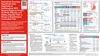
 This phase 3 trial found that over 50% of adolescents with severe alopecia areata achieved successful hair regrowth after 52 weeks on baricitinib 4-mg, with no new safety concerns reported compared to existing safety profiles.
 3 citations
,
September 2022 in “Journal of the American Academy of Dermatology”
3 citations
,
September 2022 in “Journal of the American Academy of Dermatology” In this study, baricitinib treatment for severe alopecia areata showed similar safety and led to hair regrowth improvements independent of atopic background, with 40.8% of patients with atopy achieving a significant response compared to 30.2% without atopy when using a 4 mg dose.
 1 citations
,
November 2023 in “Journal of the European Academy of Dermatology and Venereology”
1 citations
,
November 2023 in “Journal of the European Academy of Dermatology and Venereology” Baricitinib helps with early hair regrowth in people with alopecia areata.
 September 2024 in “Journal of the American Academy of Dermatology”
 In this study, patients with severe alopecia areata treated with baricitinib over 152 weeks experienced sustained patient-reported improvements in scalp, eyebrow, and eyelash hair regrowth, with higher responders observed in the 4mg dose group compared to the 2mg group.
 January 2020 in “Nasza Dermatologia Online”
 A mixture of Dijon mustard, turmeric powder, and linseed oil can effectively treat alopecia barbae.
 September 2022 in “Journal of The American Academy of Dermatology”
 This study found that baricitinib was effective in regrowing eyebrow and eyelash hair in patients with severe alopecia areata, with similar improvements observed in both clinician-reported and patient-reported measures.
 1 citations
,
February 2021 in “Journal of Natural Remedies”
1 citations
,
February 2021 in “Journal of Natural Remedies” This study found that a combination of Ficus religiosa and Morus alba extracts promoted hair growth and Hair Follicle regeneration in a mouse model of hair loss by inducing the anagen phase and upregulating stem cell-associated genes.
September 2024 in “Journal of the American Academy of Dermatology” Eyebrow and eyelash regrowth usually matches scalp hair response in alopecia areata patients treated with baricitinib.
 6 citations
,
May 2023 in “Drugs”
6 citations
,
May 2023 in “Drugs” This study reports that baricitinib was more effective than placebo in promoting hair growth in adults with severe alopecia areata after 36 weeks of treatment in clinical trials.
 November 2023 in “Annales de dermatologie et de vénéréologie, FMC”
 In this study, researchers found that among adults with severe alopecia, continued treatment with baricitinib for 104 weeks maintained hair regrowth effectively in those who responded at 52 weeks, with improved outcomes noted in some initially non-responders receiving 4 mg.
November 2025 in “Journal of Clinical Medicine” The researchers reported that baricitinib treatment for at least 52 weeks reduced severe alopecia areata severity and improved psychological well-being and quality of life in study participants.
 September 2024 in “Journal of the American Academy of Dermatology”
 In this retrospective analysis, baricitinib 4 mg was found to improve hair regrowth and was deemed effective and safe for treating severe alopecia areata in a real-world setting.
In these randomized, placebo-controlled trials, patients with alopecia areata who received baricitinib showed significantly higher eyebrow and eyelash hair regrowth rates compared to placebo, with greater responses observed at the 4 mg dose and in those achieving overall scalp hair improvement by Week 52.
3 citations
,
August 2003 in “PubMed” This study found that bergamot and boxthorn extract significantly improved skin antioxidant activity and collagen content while promoting hair growth in mice.
 1 citations
,
March 2023 in “Skin”
1 citations
,
March 2023 in “Skin” This study describes the patterns of clinical response in patients with severe alopecia areata treated with baricitinib over 52 weeks, based on integrated data from two Phase 3 trials.
 4 citations
,
September 2022 in “Dermatologic Therapy”
4 citations
,
September 2022 in “Dermatologic Therapy” This study found that twice-daily oral baricitinib at a 2-mg dose showed promising results in treating refractory alopecia areata, particularly among Chinese patients, with 64% achieving significant hair regrowth, although none attained complete hair regrowth. Adverse events were mild and included nausea and folliculitis.