 9 citations
,
August 2013 in “Archives of Dermatological Research”
9 citations
,
August 2013 in “Archives of Dermatological Research” This study concluded that the expression of clock genes, specifically BMAL1, in hair follicles is linked to circadian rhythm, and BMAL1 regulates hair growth.
 January 2014 in “Jaypee Brothers Medical Publishers (P) Ltd. eBooks”
 Bimatoprost may help with hair loss.
36 citations
,
October 2007 in “Journal of Investigative Dermatology” This study found that overexpression of betacellulin in transgenic mice delayed hair follicle morphogenesis and cycling, increased keratinocyte proliferation, and enhanced wound angiogenesis without affecting wound healing strength.
 4 citations
,
April 2013 in “International Journal of Pharmaceutical Sciences and Drug Research”
4 citations
,
April 2013 in “International Journal of Pharmaceutical Sciences and Drug Research” This study found that ethanol extracts from Musa paradisiaca cv. Puttabale corms have significant anthelmintic activity against Pheretima posthuma, outperforming the standard drug piperazine citrate in terms of paralysis and death times.
July 2025 in “Journal of Investigative Dermatology” Baricitinib stops hair loss and promotes regrowth in alopecia areata.
 September 2025 in “Journal of Ayurveda and Integrated Medical Sciences”
 In this study, adults with diffuse hair loss applied Bhringraj Taila to their scalps daily, resulting in significant reductions in hair fall, dandruff, and itching after four weeks, without reported adverse effects.
 January 2025 in “Cermin Dunia Kedokteran”
 This study reported that hypoglycemia is a more frequent complication in type 1 diabetes patients than in type 2, primarily due to inappropriate insulin and anti-diabetes medication dosing.
 January 2024 in “Journal of Pharmacognosy and Phytochemistry”
 This paper reviewed the medicinal properties and historical Unani uses of Ranunculus sceleratus (Kabīkaj), detailing its identification, uses, and both beneficial and adverse effects, while noting its current lack of use due to availability and identification challenges.
 1 citations
,
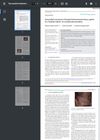
July 2023 in “Clinical case reports”
1 citations
,
July 2023 in “Clinical case reports” In this case report, researchers describe the first known occurrence of a fungal ball in a healthy infant with tinea capitis, highlighting the need to consider it as a differential diagnosis for inflammatory hair loss in infants.
This study found that administering drumstick leaves extract with amla powder improved hemoglobin levels among adolescent girls with anemia at a residential facility in Trichy.
11 citations
,
September 2021 in “American Journal of Medical Genetics Part A” This study reports that newly diagnosed patients with Bachmann-Bupp syndrome exhibit a broader phenotype than previously documented, including late-onset seizures, and suggests a possible universal biochemical mechanism involving elevated ODC activity.
 September 2023 in “JAAD case reports”
 In this review, the authors noted that while baricitinib, a treatment for refractory rheumatoid arthritis and severe alopecia areata, shows promising efficacy, it may pose risks of serious infections and malignancy due to immune downregulation.
January 2022 in “Buletin penelitian tanaman rempah dan obat/Bulletin komunikasi penelitian tanaman rempah dan obat” This study observed that a hair tonic containing 3% ethanolic extract of bidara leaves stimulated rabbit hair growth more effectively over 28 days than both distilled water and 2% minoxidil, attributing this effect to the extract's anti-inflammatory and antioxidant properties.
 1 citations
,
July 2023 in “Cutis”
1 citations
,
July 2023 in “Cutis” This study suggests that scalp rolling could be a promising and affordable adjuvant treatment for alopecia areata, potentially promoting hair regrowth by enhancing the effects of topical medications and inducing collagen.
 January 2025 in “Repository of the Academy's Library (Library of the Hungarian Academy of Sciences)”
 In this study, baricitinib was found to be effective and safe for treating severe alopecia areata, with significant hair regrowth observed in many patients by the third month of therapy and continued improvement by the twelfth month, despite mostly mild adverse events.
 January 2026 in “Journal of Ayurveda and Integrated Medical Sciences”
 In this study, oral Bhringaraj extract was found to significantly reduce hair shedding in adults over 24 weeks, according to comb test measurements and patient-reported improvements, with mild and self-resolving side effects observed.
April 2025 in “International Journal of Dermatology” This study found that Black patients with alopecia areata showed an average 20% reduction in scalp involvement after JAK inhibitor therapy, indicating positive treatment outcomes in this group.
This study found that the Arabidopsis thaliana protein Formin 2 localizes to plasmodesmata and is crucial for regulating their permeability by anchoring actin filaments, which affects virus susceptibility.
 July 2017 in “International journal of Ayurvedic and herbal medicine”
 This study revealed that Madayantika siddha taila, containing sesame oil, showed effectiveness in treating Darunaka (seborrhea capitis) by addressing aggravated Vata and Kapha doshas.
 September 2024 in “Journal of the American Academy of Dermatology”
 In this retrospective analysis, baricitinib 4 mg was found to improve hair regrowth and was deemed effective and safe for treating severe alopecia areata in a real-world setting.
Recognizing bamboo hair helps diagnose Netherton’s syndrome.
 November 2024 in “Journal of the European Academy of Dermatology and Venereology”
 This study found that nearly 40% of patients with severe alopecia areata who showed eyebrow or eyelash regrowth on baricitinib 4 mg achieved significant scalp hair regrowth by the second year of treatment.
 March 2026 in “Indian Journal of Dermatology”
 This study documented a case where the medication baricitinib effectively promoted hair regrowth in a woman with alopecia areata but also led to an unexpected side effect of hypertrichosis, suggesting a need to further explore the JAK/STAT pathway's role in hair growth dynamics.
 14 citations
,
March 2022 in “Journal of inflammation research”
14 citations
,
March 2022 in “Journal of inflammation research” This review discusses the application and potential of baricitinib, a JAK1/2 inhibitor, for treating dermatological diseases like alopecia areata and reports no new clinical results.
7 citations
,
April 2000 in “Mammalian Genome” This study identified a new mutation in SELH/Bc mice causing distinctive whisker and body hair abnormalities, mapped near the type I keratin cluster on chromosome 11.
1 citations
,
January 2024 in “JOURNAL OF CLINICAL AND DIAGNOSTIC RESEARCH” In this case study, researchers reported that using Raktamokshana therapy through leech application led to symptom relief in a 5-year-old girl with alopecia areata after eight sessions, suggesting this Ayurvedic treatment may be beneficial for children with similar conditions.
 July 2023 in “Journal of Natural Remedies”
 This review highlights the diverse potential medicinal properties of kavalactones from Alpinia zerumbet, which include antioxidant, anti-cancer, and anti-inflammatory activities, among others, and suggests fields for further research.
 March 2026 in “Jurnal Ilmiah Ibnu Sina (JIIS) Ilmu Farmasi dan Kesehatan”
 In this in vitro study, the researchers found that garden balsam leaf extract serum showed no antifungal inhibition against Candida albicans, while the positive control, a 2% ketoconazole shampoo, demonstrated a strong effect.
5 citations
,
April 2019 in “DOAJ (DOAJ: Directory of Open Access Journals)” This article discusses the characteristics and pathogenesis of pseudofolliculitis barbae, particularly its prevalence in men of African and Asian descent, but presents no new research findings.
May 2023 in “Zenodo (CERN European Organization for Nuclear Research)” In this review, researchers synthesized current knowledge on Eclipta alba (Bhringaraja) from traditional Ayurvedic texts and scientific literature, reporting its wide range of pharmacological properties, including hepatoprotective, antioxidant, antimicrobial, and anticancer effects, attributed to its chemical compounds like wedelolactone.