 December 2024 in “African Journal of Biomedical Research”
 This review discusses various risk factors and potential therapeutic interventions for PCOS but reports no new clinical results.
 5 citations
,
October 2021 in “Journal of Ovarian Research”
5 citations
,
October 2021 in “Journal of Ovarian Research” This review indicates promising potential for cinnamon supplementation to improve metabolic outcomes in PCOS, but more clinical trials with higher doses and longer durations are needed to confirm these effects.
 3 citations
,
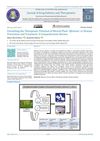
May 2024 in “Journal of Drug Delivery and Therapeutics”
3 citations
,
May 2024 in “Journal of Drug Delivery and Therapeutics” This review examines the therapeutic potential of Aftimoon (Cuscuta reflexa), focusing on its pharmacological properties and traditional uses in Unani medicine for various ailments, and highlighting its range of biological activities, including antioxidant and anti-inflammatory effects.
 1 citations
,
November 2023 in “Naunyn-Schmiedeberg's archives of pharmacology”
1 citations
,
November 2023 in “Naunyn-Schmiedeberg's archives of pharmacology” This review focused on the bioactive compounds and pharmacological properties of Lawsonia inermis (henna) and found that it contains various beneficial compounds with potential therapeutic applications, such as antioxidant and anti-inflammatory effects, indicating a need for further investigation into its medical benefits.
 October 2022 in “Authorea (Authorea)”
 This review describes the pharmacological activities and chemical components of Trichosanthes dioica, but reports no new clinical results, emphasizing potential unproven therapeutic uses in traditional medicine.
 75 citations
,
June 2019 in “International Journal of Molecular Sciences”
75 citations
,
June 2019 in “International Journal of Molecular Sciences” This review discusses the therapeutic potential of costunolide for various diseases, highlighting its bioactivity and mechanisms, but it reports no new experimental results.
August 2026 in “Plant Science Today” This review synthesizes data on Eclipta alba, highlighting its traditional use for liver, skin, and general health, supported by preclinical evidence of hepatoprotective and other beneficial activities, while noting the need for more rigorous toxicological and clinical safety studies to substantiate its therapeutic applications.
 75 citations
,
November 2016 in “Medicines”
75 citations
,
November 2016 in “Medicines” This review discusses the properties and therapeutic potentials of beta-sitosterol, highlighting a need for more detailed studies on its mechanisms and long-term effects in humans; it reports no new results.
 March 2024 in “Journal of medicinal plants studies”
 This review comprehensively examines the Hibiscus rosa-sinensis plant, detailing its distribution, physical and chemical properties, bioactive compounds, ethnomedicinal uses, and potential toxicity, providing a broad understanding of its characteristics and health implications.
2 citations
,
September 2025 in “Frontiers in Nutrition” This review reports that various bioactive compounds in Aloe vera demonstrate significant anti-inflammatory, antioxidant, antibacterial, and immunomodulatory effects, supporting its validated use in treating metabolic disorders, gastrointestinal recovery, dermatological conditions, and wound healing due to its nutritional and therapeutic properties.
2 citations
,
September 2025 in “Future Journal of Pharmaceutical Sciences” This study reviewed the potential of Lupeol, a natural triterpenoid, in promoting hair growth and reducing inflammation related to alopecia, revealing promising molecular pathways and favorable pharmacokinetics while suggesting further research to validate these findings.
 1 citations
,
June 2023 in “Ethnobotany research and applications”
1 citations
,
June 2023 in “Ethnobotany research and applications” This review examined the medicinal properties of the Ziziphus plant species, highlighting their traditional use in treating various conditions and their bioactive compounds with potential anticancer, antimicrobial, and anti-diabetic effects. The authors concluded that Ziziphus species, particularly jujube, have promising pharmacological activities warranting further investigation.
 March 2026 in “Frontiers in Immunology”
 This review discusses the multifaceted roles of regulatory T cells in cutaneous wound healing and highlights potential therapeutic strategies targeting these cells to enhance wound repair in chronic and diabetic wounds, but reports no new clinical results.
 6 citations
,
December 2022 in “International Journal of Molecular Sciences”
6 citations
,
December 2022 in “International Journal of Molecular Sciences” This review explores the hormonal factors related to hidradenitis suppurativa, emphasizing insulin resistance and pro-inflammatory adipokines, but reports no new clinical findings and suggests further research is needed.
June 2026 in “Journal of Cutaneous and Aesthetic Surgery” In this case report, necrotic ulceration caused by Klebsiella pneumoniae at a pubic hair donor site was observed in a 52-year-old man following hair transplantation, highlighting the need for metabolic screening and culture-guided management to prevent complications in such procedures.
 June 2023 in “Journal of Ayurvedic and herbal medicine”
 This review article highlights the potential health benefits and pharmaceutical components of pumpkin seeds, which contain proteins, antioxidants, and essential nutrients, and discusses their traditional medicinal uses and emerging applications in the food industry.
 36 citations
,
September 2019 in “Journal of Herbal Medicine”
36 citations
,
September 2019 in “Journal of Herbal Medicine” This review explores research on nanoformulations for enhancing the topical delivery of herbal medicines, noting potential benefits like improved bioavailability and sustained delivery, and emphasizes the need for safety and toxicity guidelines in developing these novel drug delivery systems.
 64 citations
,
June 2020 in “PLoS ONE”
64 citations
,
June 2020 in “PLoS ONE” This study found that red light exposure significantly enhanced the growth, phytochemical content, and therapeutic potential of Eclipta alba callus cultures compared to other multispectral light exposures.
14 citations
,
June 2024 in “Food Chemistry X” This review highlights that pomegranate leaf exhibits potential health benefits, such as anti-cancer, anti-diabetic, anti-inflammatory, and neuroprotective effects in vitro and in animal models, but calls for comprehensive human clinical trials to confirm these therapeutic benefits and ensure safety.
 April 2026 in “International Journal of Pharmacy and Pharmaceutical Science”
 This review reported that rosemary shows promise in managing ischemic stroke and other oxidative stress-related conditions due to its anti-inflammatory and antioxidant properties, highlighting its potential neuroprotective benefits for cognitive and brain health.
 April 2025 in “International Journal of Ayurvedic Medicine”
 This review reports the potential therapeutic effects of Semecarpus anacardium Linn. (Bhallataka), noting its compounds like anacardic acid may have anti-inflammatory, antioxidant, and anticancer properties, but emphasizes that further research is necessary to confirm these effects and determine safety due to inconsistent study methods.
This study investigated the phytochemicals in Phyla nodiflora leaf extracts and identified n-Hexadecanoic acid, stigmasterol, and beta-sitosterol as promising drug candidates for diabetes, alopecia, cancer, and anti-diuresis, advocating further research into these compounds.
1 citations
,
February 2024 in “Diversity” In this literature review, researchers identified 68 African plants used in hair treatment, noting that 58 of these may also help with glucose metabolism issues, suggesting a nutritional therapy approach might explain their benefits.
 2 citations
,
September 2022 in “Cellular and molecular biology”
2 citations
,
September 2022 in “Cellular and molecular biology” In this study, Agaricus bisporus derived β-Glucan particles demonstrated antimicrobial, antioxidant, and anticancer effects against cervical cancer HeLa cells, suggesting potential as a therapeutic option.
 May 2025 in “Baghdad Journal of Biochemistry and Applied Biological Sciences”
 In laboratory and animal studies, this research found that the ethanolic leaf extract of Adiantum capillus-veneris demonstrated a range of biological activities, including antibacterial, antifungal, antioxidant, anti-inflammatory, antidiabetic, wound-healing, anticancer, and antidiarrheal effects, suggesting its potential for various therapeutic applications.
 1 citations
,
June 2023 in “Pharmacognosy Research”
1 citations
,
June 2023 in “Pharmacognosy Research” This review highlights the promising therapeutic potential of Bacopa monnieri in treating various health conditions, particularly related to neuropharmacology, but emphasizes the need for further clinical research.
 November 2024 in “International Journal of Agricultural Invention”
 This review highlights the therapeutic properties and nutritional value of amla (Phyllanthus emblica), noting its high vitamin C content and diverse pharmacological activities, including antidiabetic and antioxidant effects, as evidenced in traditional medicine practices.
 April 2026 in “Zenodo (CERN European Organization for Nuclear Research)”
 This review discusses the diverse therapeutic properties of Hibiscus rosa sinensis, including anti-inflammatory and anti-cancer effects, and notes that while most extracts showed no toxicity, some altered biological markers, necessitating further research to explore its medicinal potential through clinical trials.
3 citations
,
January 2022 in “International Research Journal of Ayurveda & Yoga” This article reviews the traditional Ayurvedic uses and potential therapeutic properties of the Indian medicinal plant Psoralea corylifolia, attributed with various health benefits including anti-inflammatory, anti-cancer, and anti-diabetic effects, though specific study results are not reported.
5 citations
,
January 2024 in “Advances in Pharmacological and Pharmaceutical Sciences” This review explored the biological properties of Punica granatum, noting its antioxidant, anti-inflammatory, and antimicrobial activities, and highlighted its potential as a therapeutic agent for various conditions; however, more extensive clinical trials are needed to confirm its effectiveness and safety.