 December 2023 in “Advances in economics, management and political sciences”
 This study found that consumers do not prefer anti-hair loss products over regular hair care products, suggesting that companies should focus on factors like purchase willingness instead of the specific causes of hair loss.
 280 citations
,
July 2018 in “Antioxidants”
280 citations
,
July 2018 in “Antioxidants” This review discusses the role of reactive oxygen species in wound healing, highlighting potential strategies like mitochondrial-targeted antioxidants for managing non-healing chronic wounds, and reports no new clinical results.
 32 citations
,
February 2017 in “Oncotarget”
32 citations
,
February 2017 in “Oncotarget” This workshop review discusses the dual role of cellular senescence in cancer, highlighting both its anticancer effects and pro-tumorigenic potential, while reporting no new research results.
 14 citations
,
January 2018 in “Advances in Clinical Chemistry”
14 citations
,
January 2018 in “Advances in Clinical Chemistry” This review discusses the evaluation of hyperandrogenemia in women and hypogonadism in men across different life stages and presents biomarkers used for diagnosing male hypogonadism, reporting no new clinical results.
 September 2025 in “Drug Design Development and Therapy”
 This study suggests that while platelet-rich products show promise in treating dermatological conditions like chronic wounds and skin aging, there is still a need for standardized methodologies and extensive trials to confirm their long-term clinical benefits.
 September 2018 in “International Journal of Advanced Community Medicine”
 This source describes the development of a new cream combining salicylic acid and retinol, assessed for its potential to alleviate itching in dermatitis and treat acne vulgaris, with stability and patch testing indicating no irritation or allergic reactions.
 15 citations
,
April 2022 in “Biointerface Research in Applied Chemistry”
15 citations
,
April 2022 in “Biointerface Research in Applied Chemistry” This review presents current evidence on medicinal plants and their phytoconstituents, such as phenolic compounds, used in acne treatment, highlighting their potential as alternatives to conventional therapies due to issues like antibiotic resistance and high cost.
 January 2026 in “Clinical Cosmetic and Investigational Dermatology”
 This study found that targeting both hormonal and immune pathways improved treatment outcomes in androgenetic alopecia patients with an under-recognized inflammatory component called PIILIF, which may contribute to treatment resistance.
 December 2024 in “Ankara Universitesi Eczacilik Fakultesi Dergisi”
 This review highlights Nigella sativa L. (black cumin) as a plant with numerous health benefits, noting its rich nutritional profile and reported therapeutic effects such as antioxidant and anti-inflammatory activities, identified through various in vitro, in vivo, and clinical research studies.
 March 2024 in “International Research Journal Of Modernization In Engineering Technology And Science”
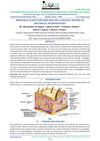
 This review highlights the beneficial effects of certain herbal drugs in treating skin diseases, such as their healing, antifungal, antiviral, antibacterial, anti-inflammatory, and antitumor-promoting activities, emphasizing recent technical advancements in the field over the past 17 years.
 October 2023 in “International journal of research in Ayurveda and pharmacy”
 This review found that the ingredients of Keedari thailam, a traditional Siddha formulation used for alopecia areata, exhibit antimicrobial, anti-inflammatory, and other pharmacological activities, suggesting potential therapeutic benefits according to recent research and Siddha literature.
 86 citations
,
June 2017 in “Anais Brasileiros de Dermatologia”
86 citations
,
June 2017 in “Anais Brasileiros de Dermatologia” This review discusses the role of antioxidants in managing oxidative skin damage and reports no new results, emphasizing the need for understanding their mechanisms, limitations, and risks for safe use.
 75 citations
,
June 2019 in “International Journal of Molecular Sciences”
75 citations
,
June 2019 in “International Journal of Molecular Sciences” This review discusses the therapeutic potential of costunolide for various diseases, highlighting its bioactivity and mechanisms, but it reports no new experimental results.
 59 citations
,
May 2014 in “Expert Opinion on Therapeutic Targets”
59 citations
,
May 2014 in “Expert Opinion on Therapeutic Targets” This review discusses current therapeutic targets and treatments for androgenic alopecia but reports no clinical results; the authors highlight the challenge of developing multi-target drugs for effective treatment.
 46 citations
,
September 2011 in “Journal of Endocrinology”
46 citations
,
September 2011 in “Journal of Endocrinology” This study suggests that 5α-reduced glucocorticoids may have anti-inflammatory potential and could serve as biomarkers for liver inflammation in metabolic disease, with implications for drug development.
 26 citations
,
May 2021 in “International Journal of Molecular Sciences”
26 citations
,
May 2021 in “International Journal of Molecular Sciences” In this review, researchers examined the physiological benefits of Cheonggukjang, a salt-free fermented soybean paste, highlighting its various health-promoting components that may contribute to improved heart health, diabetes management, and cancer prevention, among other benefits.
 23 citations
,
February 2021 in “Journal of Endocrinological Investigation”
23 citations
,
February 2021 in “Journal of Endocrinological Investigation” This review discusses the impact of COVID-19 on the endocrine system and reports no clinical results; the authors emphasize the need to investigate endocrine damage during and after COVID-19 infection.
 16 citations
,
January 2020 in “Diabetes”
16 citations
,
January 2020 in “Diabetes” In this study using diabetic rat models, the combination of AMD3100 and low-dose FK506 reduced wound healing time and improved microcirculation in diabetic foot ulcers, indicating a promising new systemic therapy.
 2 citations
,
March 2019 in “European Journal of Dermatology”
2 citations
,
March 2019 in “European Journal of Dermatology” This study concluded that shampoos sold in pharmacies generally contain fewer regulated allergens under EU law compared to those sold in mass-market stores or by mail order, and pharmacy-sold baby shampoos were allergen-free.
 1 citations
,
April 2018 in “Journal of Investigative Dermatology”
1 citations
,
April 2018 in “Journal of Investigative Dermatology” In this study, OEA was found to significantly enhance sebaceous lipogenesis and potentially reduce inflammation in human sebocytes, suggesting it as a promising candidate for treating skin dryness.
 1 citations
,
January 2018 in “Acta dermatovenerologica Alpina, Pannonica et Adriatica (Tiskana izd.)”
1 citations
,
January 2018 in “Acta dermatovenerologica Alpina, Pannonica et Adriatica (Tiskana izd.)” This study found that a herbal shampoo and solution were more effective than placebo in reducing hair loss and improving hair growth in participants with androgenetic alopecia and telogen effluvium.
 June 2026 in “Lahore Garrison University Journal of Life Sciences”
 In this preliminary study, selenium-resistant bacteria and selenium-treated pea sprout extracts showed minimal inhibitory effects on the dandruff-associated fungus Malassezia furfur compared to controls, suggesting potential for further investigation.
 May 2026 in “Global Translational Medicine”
 This study found that ethanol extract of Syzygium aromaticum (clove) leaves significantly improved lipid profiles and increased body weight in testosterone-induced benign prostatic hyperplasia rats, suggesting potential anti-hyperlipidemic effects and modulation of body weight through metabolic activity.
 October 2025 in “Scientific Reports”
 This study found that the extracts of Serenoa repens, when evaluated through chemical, biological, and in silico methods, demonstrated anti-inflammatory, pro-apoptotic, and anti-androgenic activities against prostate cancer cell lines, suggesting potential therapeutic benefits and directing future pharmaceutical development.
 November 2024 in “International Journal of Agricultural Invention”
 This review highlights the therapeutic properties and nutritional value of amla (Phyllanthus emblica), noting its high vitamin C content and diverse pharmacological activities, including antidiabetic and antioxidant effects, as evidenced in traditional medicine practices.
 February 2018 in “InTech eBooks”
 This article discusses the unclear aspects of diagnosing and treating polycystic ovarian syndrome and emphasizes a multidisciplinary approach but reports no clinical results.
 3 citations
,
January 2023 in “Agriculture and Natural Resources”
3 citations
,
January 2023 in “Agriculture and Natural Resources” This study found that flower extracts of Wedelia trilobata may serve as a promising active ingredient for cosmeceutical products due to their antioxidant, anti-inflammatory, and antimicrobial properties.
 1 citations
,
May 2018 in “International Journal of Advanced Community Medicine”
1 citations
,
May 2018 in “International Journal of Advanced Community Medicine” In this research, a new cream containing salicylic acid was developed to treat acne vulgaris, showing no allergic reactions or skin irritation and maintaining stability in controlled conditions, suggesting potential future benefits for skin care and anti-acne treatment.
 November 2023 in “Curēus”
 This review examines melatonin's role in managing PCOS and its potential to improve hormonal balance, oxidative stress, sleep quality, and mood, but reports no new clinical results.
 June 2023 in “Journal of Ayurvedic and herbal medicine”
 This review article highlights the potential health benefits and pharmaceutical components of pumpkin seeds, which contain proteins, antioxidants, and essential nutrients, and discusses their traditional medicinal uses and emerging applications in the food industry.