January 2026 in “International Journal of Dermatology” This review examines the androgen-dependent subtype of acquired progressive kinking of the hair and suggests it may be an early indicator of androgenetic alopecia, emphasizing the importance of distinguishing between subtypes for clinical decisions.
 25 citations
,
January 2000 in “Hormone Research in Paediatrics”
25 citations
,
January 2000 in “Hormone Research in Paediatrics” This article reviews androgen insensitivity syndrome and highlights the factors contributing to phenotypic diversity in 46,XY patients with AR gene mutations, reporting no new clinical results.
December 2016 in “University of Birmingham Institutional Research Archive (University of Birmingham)” This study found that manipulating 5αR2 activity in human hepatocytes in vitro can regulate lipogenesis, with potential clinical implications for patients taking 5αR inhibitors.
124 citations
,
April 1992 in “Journal of Endocrinology/Journal of endocrinology” This study observed that cells from androgen-sensitive areas like the beard and scrotum showed higher androgen receptor levels compared to those from non-balding scalp areas, supporting the role of dermal papilla in follicle growth responses to androgens.
20 citations
,
March 1975 in “Journal of steroid biochemistry/Journal of Steroid Biochemistry” This study found a direct correlation between the testicular feminization gene and decreased androgen receptor activity, potentially explaining the androgen insensitivity in affected individuals.
54 citations
,
May 2015 in “Endocrinology” In this study, manipulation of the enzyme 5α-reductase type 2 in human hepatocytes altered lipogenesis, suggesting clinical implications for patients using 5α-reductase inhibitors by affecting glucocorticoid action on hepatic lipid metabolism.
 86 citations
,
July 2002 in “Clinical and Experimental Dermatology”
86 citations
,
July 2002 in “Clinical and Experimental Dermatology” This review discusses female pattern hair loss, emphasizing its complex causes and the limited treatment options available, and reports no new clinical results.
 38 citations
,
December 2009 in “Therapeutic Advances in Medical Oncology”
38 citations
,
December 2009 in “Therapeutic Advances in Medical Oncology” This discussion proposes a model to incorporate patients with hormone-resistant prostate cancer into the existing framework by redefining hormone resistance and exploring new therapeutic approaches.
 40 citations
,
January 2013 in “Frontiers in Endocrinology”
40 citations
,
January 2013 in “Frontiers in Endocrinology” Finger length ratios are not linked to the number of specific gene repeats affecting testosterone sensitivity.
 11 citations
,
February 2016 in “Current Medicinal Chemistry”
11 citations
,
February 2016 in “Current Medicinal Chemistry” This review discusses various targets for treating prostate cancer and benign prostatic hyperplasia and reports on recent studies of new compounds and 5α-reductase inhibitors, but provides no new experimental results.
 October 2021 in “Meditsinskiy sovet = Medical Council”
 This study found that cyproterone acetate treatment improved quality of life and reduced anxiety and depressive symptoms in women with skin manifestations of hyperandrogenism.
 105 citations
,
January 2009 in “Medicine”
105 citations
,
January 2009 in “Medicine” This study found that ethinylestradiol and high-dose cyproterone acetate significantly reduced hirsutism scores and were effective for treating acne and alopecia in women with hyperandrogenism.
 8 citations
,
January 2003 in “JEADV. Journal of the European Academy of Dermatology and Venereology/Journal of the European Academy of Dermatology and Venereology”
8 citations
,
January 2003 in “JEADV. Journal of the European Academy of Dermatology and Venereology/Journal of the European Academy of Dermatology and Venereology” This study describes three female cases of androgen-dependent diseases in myotonic dystrophy, suggesting that peripheral androgen response, rather than serum levels, may drive such conditions.
 83 citations
,
April 1992 in “Clinical Endocrinology”
83 citations
,
April 1992 in “Clinical Endocrinology” This study found that treatment with cyproterone acetate and ethinyl oestradiol increased hair density in women with diffuse androgen-dependent alopecia, particularly when serum ferritin levels were above 40 μg/l.
 9 citations
,
September 2014 in “Cancer Epidemiology, Biomarkers & Prevention”
9 citations
,
September 2014 in “Cancer Epidemiology, Biomarkers & Prevention” This study found that men without prostate cancer carrying the A-allele of SNP rs1204038 had a 65% higher risk of PSA levels above 3 ng/mL compared to those with the G-allele, increasing referrals for further examination.
 118 citations
,
May 2003 in “Toxicological Sciences”
118 citations
,
May 2003 in “Toxicological Sciences” This study found that prenatal exposure to finasteride in rats led to permanent changes in developmental endpoints like anogenital distance and nipple retention, which were predictive of further reproductive tract malformations.
 23 citations
,
December 2004 in “Differentiation”
23 citations
,
December 2004 in “Differentiation” This article reviews the interaction between sex hormone pathways and morphogenesis-related signaling in epithelial organ development, using a chicken model to propose testable hypotheses, but reports no new clinical results.
51 citations
,
November 1998 in “The journal of investigative dermatology/Journal of investigative dermatology” In this study, researchers found that while both beard and scalp dermal papilla cells release similar autocrine growth factors, only beard cells increased production and response with testosterone, suggesting these factors enhance androgen-induced hair growth.
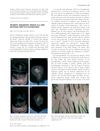 July 2011 in “British Journal of Dermatology”
 Hormone treatment caused hair loss, finasteride helped regrowth.
 January 1995 in “Adolescent and pediatric gynecology”
 This article reviews genetic and phenotypic aspects of androgen insensitivity syndromes, emphasizing the diversity of mutations that complicates molecular screening and the importance of genotype-phenotype correlations.
 19 citations
,
October 2017 in “The FASEB Journal”
19 citations
,
October 2017 in “The FASEB Journal” This study established an androgen-responsive human organ culture model using hair follicles, demonstrating that women's intermediate facial follicles grow more hair in response to men's higher androgen levels.
 46 citations
,
June 2015 in “Journal of Investigative Dermatology”
46 citations
,
June 2015 in “Journal of Investigative Dermatology” This study found that androgen receptor activation in adult mouse skin reduces β-catenin-induced hair follicle growth and sebaceous gland conversion, highlighting its role in stem cell fate decisions.
 62 citations
,
April 2013 in “Steroids”
62 citations
,
April 2013 in “Steroids” This review discusses the age-related diagnostic challenges and comorbidities of polycystic ovarian syndrome and provides no new clinical findings; the authors emphasize the role of obesity in insulin resistance among affected women.
 1 citations
,
December 2022 in “Gynecological Endocrinology”
1 citations
,
December 2022 in “Gynecological Endocrinology” This study found that among women with PCOS, higher HOMA-IR levels were associated with acanthosis nigricans, and increased DHEA-SO4, FAI, and FI values were linked to hirsutism.
 25 citations
,
July 2013 in “Environmental Toxicology and Chemistry”
25 citations
,
July 2013 in “Environmental Toxicology and Chemistry” This study found that spironolactone reduced fish fecundity and caused masculinization of females at certain concentrations, while having no effect on Daphnia magna reproduction, underscoring concerns for environmental exposure to vertebrates.
 30 citations
,
July 2019 in “Endocrinology”
30 citations
,
July 2019 in “Endocrinology” This review discusses how the HSD3B1(1245C) genotype may impact androgen physiology and the progression of castration-resistant prostate cancer, and does not report new experimental results.
3 citations
,
March 2024 in “Frontiers in Cell and Developmental Biology” This study observed that both prenatal androgen exposure and postnatal early-life environment influence the development of PCOS-like phenotypes and changes in the gut microbiota in prenatally androgenized offspring.
51 citations
,
August 2012 in “Differentiation” This study found that penile and clitoral differentiation in mice is influenced by androgen exposure, with penile features developing postnatally requiring prenatal and ongoing androgen presence.
 42 citations
,
September 2007 in “The Journal of Clinical Endocrinology and Metabolism”
42 citations
,
September 2007 in “The Journal of Clinical Endocrinology and Metabolism” This study found that women with PCOS who have an exaggerated 17-hydroxyprogesterone response to buserelin exhibit more severe hyperandrogenemia, increased insulin secretion, and reduced insulin sensitivity.
 145 citations
,
March 2010 in “Fertility and Sterility”
145 citations
,
March 2010 in “Fertility and Sterility” This study reported that ovulatory PCOS is a milder form of the condition compared to classic PCOS phenotypes, which share similar clinical and hormone characteristics.