
This study found that CPA-loaded nanoparticles, particularly SLN formulations, increased CPA epidermal penetration compared to a conventional cream and may reduce side effects in treating androgen-dependent conditions.
March 2023 in “Reactions Weekly” November 2013 in “Annales de Dermatologie et de Vénéréologie”  8 citations
,
January 2016 in “Annals of Dermatology”
8 citations
,
January 2016 in “Annals of Dermatology” This study found that the ALAVAX complex, containing 5-ALA and GHK peptide, may increase hair count in male pattern hair loss patients over 6 months without adverse events.
In this laboratory study, the methanolic extract of Eclipta alba demonstrated significant anthelmintic activity against earthworms (Pheretima posthuma), causing paralysis and death at doses of 50-100 mg/ml, with stronger effects observed at higher concentrations compared to the standard treatment, albendazole.
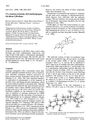 December 1998 in “Acta Crystallographica Section C-crystal Structure Communications”
 This study describes the molecular conformation and intermolecular interactions in the crystalline structure of the compound C24H31BrO4.
 19 citations
,
June 2007 in “Veterinary Dermatology”
19 citations
,
June 2007 in “Veterinary Dermatology” In this study, amitraz was found to be an effective and well-tolerated treatment for resolving sarcoptic mange in alpacas, demonstrating no relapse over a 10-month follow-up.
9 citations
,
October 1947 in “The Lancet” 1 citations
,
November 1947 in “The Lancet”  14 citations
,
August 2019 in “Clinical and Experimental Dermatology”
14 citations
,
August 2019 in “Clinical and Experimental Dermatology” This study suggests that combining microneedling with ALA-photodynamic therapy may be a promising treatment option for moderate to severe alopecia areata, achieving significant hair regrowth in some patients.
March 2025 in “Journal of Investigative Dermatology”  June 1982 in “Revista Colombiana de Obstetricia y Ginecología”
 This article discusses treatments for androgenic manifestations using cyproterone acetate alone or with estrogens, but it does not provide new clinical results.

This study found that a combination of topical and oral treatment led to greater improvements in hair density, thickness, and anagen/telogen ratio in patients with androgenetic alopecia compared to topical treatment alone, with significant benefits observed over a 3-month period.
76 citations
,
July 2009 in “Neuroscience” This study found that inhibiting allopregnanolone synthesis in late gestation fetal sheep increased apoptosis and dead cell count in the hippocampus and cerebellum, effects that were mitigated by alfaxalone co-infusion.
24 citations
,
December 2012 in “Behavioural Brain Research” This study found that altering Allopregnanolone levels in neonatal rats affects their adult exploratory and anxiety-like behaviors and impairs avoidance learning.
 June 2023 in “International journal of pharmaceutical quality assurance”
 This study found that Eclipta alba extracts exhibit 5α-reductase inhibitory activity, with the methanolic extract showing a higher concentration of β-sitosterol compared to petroleum ether extract, indicating potential for treating androgenic conditions like male pattern baldness.
November 2025 in “Plant Foods for Human Nutrition” October 2025 in “Editora Pasteur eBooks” 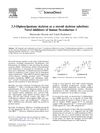 13 citations
,
August 2007 in “Bioorganic & medicinal chemistry letters”
13 citations
,
August 2007 in “Bioorganic & medicinal chemistry letters” This study developed a new competitive 5alpha-reductase inhibitor with an IC(50) of 0.84 microM using a novel chemical structure.
 January 2023 in “Editora Enterprising eBooks”
 This article presents a collection of interdisciplinary studies by Brazilian researchers that address various societal issues to contribute to the nation's social and scientific development; it reports no new results.
 January 2026 in “Drug Delivery and Translational Research”
 This study investigated the integration of crystal engineering and microneedle technology for androgenetic alopecia treatment, finding that microneedles loaded with newly developed Kopexil multicomponent crystals reduced drug diffusion rates in vitro compared to standard formulations.
February 2006 in “Inpharma Weekly”  2 citations
,
October 2001 in “Analytical Sciences”
2 citations
,
October 2001 in “Analytical Sciences” A new compound that could treat various androgen-related conditions was created and analyzed.
2 citations
,
January 2023 in “Uro” This study found that both a proprietary ultrahigh-pressure extract and a hexanic extract of saw palmetto showed comparable inhibition of 5α-reductase, suggesting similar potential for managing symptoms of benign prostatic hyperplasia.
 2 citations
,
December 2008 in “Journal of Chemical Crystallography”
2 citations
,
December 2008 in “Journal of Chemical Crystallography” This study reports the crystal structure and geometric parameters of a modified Finasteride derivative, highlighting significant differences in dihedral angles compared to its solvated analog and computational models.
May 2024 in “Journal of the Egyptian Womenʼs Dermatologic Society” This study suggests that DPCP treatment can be effective and safe for severe alopecia areata in children, with maintenance therapy potentially reducing relapse rates.
1 citations
,
August 2024 in “Journal of Pharmacy & Pharmaceutical Sciences” This study found that forming inclusion complexes of DPCP with HPβCD using the 3D ground mixture method enhances its anti-inflammatory activity at lower doses compared to complexes with β-CD.
1 citations
,
October 2006 in “Urology” Alpha-blocker therapy may not be needed long-term when combined with finasteride for BPH.
1 citations
,
November 2022 in “Journal of Investigative Dermatology” This study found that ALRN-6924, a clinical-stage dual inhibitor, can selectively protect human scalp hair follicles from paclitaxel-induced toxicity and damage by inducing transient cell cycle arrest in healthy cells without affecting cancer cells, potentially reducing chemotherapy-induced alopecia.
 10 citations
,
January 2018 in “Postępy Dermatologii i Alergologii”
10 citations
,
January 2018 in “Postępy Dermatologii i Alergologii” This study found that 21 out of 39 patients with alopecia areata experienced more than 50% hair regrowth after six months of DPCP treatment, with better outcomes observed in those treated at 3-week intervals compared to weekly intervals.