 4 citations
,
November 2020 in “Journal of Investigative Dermatology Symposium Proceedings”
4 citations
,
November 2020 in “Journal of Investigative Dermatology Symposium Proceedings” The Brigham Eyebrow Tool for Alopecia is a simple and reliable way to measure eyebrow hair loss.
 205 citations
,
April 2013 in “British Journal of Dermatology”
205 citations
,
April 2013 in “British Journal of Dermatology” In this study, platelet-rich plasma significantly increased hair regrowth and reduced symptoms of alopecia areata compared to triamcinolone acetonide or placebo, with no observed side effects.
 April 2016 in “Journal of Investigative Dermatology”
 In this study, ALP knockdown significantly impaired the hair follicle-inducing capacity of human dermal papilla spheres, highlighting a critical role for ALP in hair follicle neogenesis.
October 2022 in “Journal of pharmaceutical negative results” This study found that patients with Alopecia areata in Iraq had significantly higher levels of CD4+, CD39+, and FOXP3+ Treg cells in their blood compared to healthy controls.
3 citations
,
April 2023 in “Dermatologica Sinica” This study found that platelet-rich plasma treatment was an effective and safe option for reducing severity in patients with mild patch-type alopecia areata.
 December 2024 in “International Journal of Newgen Research in Pharmacy & Healthcare”
 In this study, Eclipta alba phytosomes were developed to enhance the bioavailability and therapeutic efficacy of its bioactive compounds, showing improved in vitro antioxidant activity and significant in vivo anticancer effects compared to the free extract.
July 2025 in “The Egyptian Journal of Hospital Medicine” This study found that intralesional methotrexate and triamcinolone acetonide have similar efficacy for localized alopecia areata in adults, but differ in safety profiles, with methotrexate associated with hyperpigmentation and triamcinolone with atrophy.
46 citations
,
December 2014 in “Epilepsy & behavior” This study found that weight gain and alopecia were the most common cosmetic side effects of AEDs, with valproic acid and pregabalin being particularly associated with these effects.
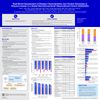
In this retrospective study of alopecia areata patients across several European countries, researchers observed a notable reduction in SALT scores, but few patients reached or maintained a clinically significant SALT score of ≤20, indicating potentially limited effectiveness of current treatments for extensive hair loss.
5 citations
,
September 2023 in “Clinical Cosmetic and Investigational Dermatology” This study found that depression and anxiety were more common in patients with alopecia areata than in healthy volunteers.
 4 citations
,
March 2002 in “International journal of toxicology”
4 citations
,
March 2002 in “International journal of toxicology” In this study on tolerant rats, maternal and developmental toxicity from levo-alpha-acetyhnethadol hydrochloride were observed at all doses, without specific fetal toxicity or teratogenic effects.
 2 citations
,
January 2018 in “International journal of research in dermatology”
2 citations
,
January 2018 in “International journal of research in dermatology” This study found that intralesional corticosteroids remain the preferred treatment for alopecia areata with limited involvement, while platelet-rich plasma showed promise, particularly in children and extensive cases.
 20 citations
,
July 2024 in “Archives of Dermatological Research”
20 citations
,
July 2024 in “Archives of Dermatological Research” This study observed that dupilumab led to significant hair regrowth and was well-tolerated in children with both alopecia areata and atopic dermatitis, showing promise as a safe treatment option for pediatric patients with associated atopy.
December 2025 in “Chinese Medical Journal” This study developed a simplified multidimensional assessment scale for alopecia areata severity and systemic treatment initiation among Chinese patients, achieving expert consensus on relevant clinical indicators and conditions.
 May 2026 in “SHILAP Revista de lepidopterología”
 In this case report, a 7-year-old girl with severe alopecia areata and high baseline IgE levels achieved complete hair regrowth after 48 weeks of dupilumab therapy, with observed decreases in IgE levels and no significant adverse effects beyond a mild initial allergic reaction.
This study found that encapsulating dermal papilla spheroids in alginate hydrogel with extracellular matrix proteins increased alkaline phosphatase activity, suggesting an enhanced manipulation of dermal papilla activity.
 27 citations
,
January 2005 in “American Journal of Clinical Dermatology”
27 citations
,
January 2005 in “American Journal of Clinical Dermatology” This pilot study found that azelaic acid treatment for patchy alopecia areata had similar hair regrowth results as anthralin, suggesting it may be an effective topical therapy.
 January 2019 in “Journal of Case Reports and Scientific Images”
 This case report describes the treatment of a 12-year-old female with Alopecia Areata using oral azathioprine.
August 2022 in “Theriogenology” This study found that allopregnanolone has a bimodal effect on prolactin secretion in sheep, stimulating PRL mRNA expression but inhibiting hormone release under stress and pregnancy conditions.
 January 2024 in “Al-Azhar International Medical Journal /Al-Azhar International Medical Journal”
 This study concluded that topical betamethasone valerate lotion is more effective than 15% lactic acid solution for managing multiple patchy alopecia areata over a 12-week period in a sample of 50 patients.
1 citations
,
June 2023 in “British Journal of Dermatology” In this study, individuals with alopecia areata in the UK incurred significant costs for managing their condition, with those experiencing more severe symptoms and lower disposable income facing higher financial burdens.
 16 citations
,
July 2000 in “Dermatologic surgery”
16 citations
,
July 2000 in “Dermatologic surgery” This paper contains author contact information and disclosures without reporting new research findings or results.
9 citations
,
October 2022 in “Journal of Molecular Neuroscience” This study reports a novel LSS gene mutation in an Egyptian family with alopecia intellectual disability syndrome 4, expanding the known clinical and genetic features of the condition.
6 citations
,
January 2015 in “Journal of clinical & experimental dermatology research” This study suggests that combining monoammonium glycyrrhizinate/glycine/DL-methionine tablets with 5% carpronium chloride may reduce alopecia areata area more effectively than carpronium chloride alone, particularly in patients with allergic factors.
June 2022 in “Journal of Pakistan Association of Dermatologists” In this study, a 15-year-old male with alopecia areata universalis showed significant hair regrowth after an 8-month combination therapy, suggesting that comprehensive treatment, including antiviral, corticosteroid, and LED therapy, may be effective albeit long-term for managing this condition.
July 2026 in “Journal of the American Academy of Dermatology” Severe alopecia areata in children greatly affects their mental and social well-being, and addressing these challenges is crucial.
September 2023 in “Journal of the American Academy of Dermatology”  May 2024 in “AlQalam Journal of Medical and Applied Sciences”
 This study observed that recurrent alopecia areata patients with salmon patches on the nape often had severe disease, particularly alopecia areata ophiasis, which was more common in females.
 17 citations
,
April 2020 in “Dermatology and Therapy”
17 citations
,
April 2020 in “Dermatology and Therapy” In this randomized double-blind study, 160 adults with alopecia areata showed significant improvements in hair loss severity after using a bioactive peptide cosmetic product that mimics platelet-rich plasma, while the placebo group showed no significant change, underlining the treatment's potential effectiveness.
December 2025 in “Frontiers in Nutrition” This study found that in patients with AIDS-related non-Hodgkin lymphoma undergoing targeted therapy, a positive serum albumin change rate was significantly associated with better treatment outcomes, suggesting the value of dynamic albumin monitoring and nutritional support during treatment.