1 citations
,
September 2023 in “Journal of the American Academy of Dermatology” Mini pulse corticosteroid therapy with oral dexamethasone is effective and has fewer side effects for treating extensive alopecia areata.
3 citations
,
April 2020 in “PubMed” This study found that DEB-BACE combined with systemic chemotherapy was more effective than chemotherapy alone for unresectable lung squamous cell carcinoma, reducing side effects and improving survival rates.
February 2024 in “Al-Azhar International Medical Journal /Al-Azhar International Medical Journal” This study concluded that topical betamethasone valerate lotion is more effective than topical 15% lactic acid solution for managing multiple patchy alopecia areata over a 12-week treatment period.
August 2024 in “Clinical and Experimental Dermatology” This study found that while DALL-E 2 can create realistic hair images from text prompts, its accuracy in depicting specific hair disorders, like alopecia areata, often falls short, highlighting the need for AI developers to work with medical experts to improve dermatological applications.
 February 2026 in “MedBA Medicine”
 This study identified potential new adverse drug reaction signals for erlotinib, used in lung and pancreatic cancer treatment, by analyzing a large dataset of case reports, indicating further clinical studies are necessary to confirm these findings.
 July 2025 in “SKIN The Journal of Cutaneous Medicine”
 This study reported that ritlecitinib was generally well tolerated over 72 months in patients aged 12 and older with alopecia areata, with adverse events like headache and nasopharyngitis observed, and safety outcomes consistent with previous studies.
4 citations
,
July 2024 in “The Journal of Dermatology” This study found that patients with alopecia areata in Dubai experience significant disease and economic burdens, especially when comorbid with psychological conditions, despite frequent dermatologist consultations and topical steroid prescriptions.
 June 2019 in “Journal of evolution of medical and dental sciences”
 This study found that yellow dots seen under dermatoscopy are a sensitive and specific indicator of treatment response in alopecia areata, showing significant reduction as early as four weeks.
 May 2025 in “JEADV Clinical Practice”
 This study found that laboratory testing practices for alopecia areata vary among international hair experts, with the majority routinely conducting thyroid function and complete blood count tests, yet exhibiting diverse approaches toward testing for other conditions or before prescribing systemic therapy.
2 citations
,
October 2000 in “Journal of Investigative Dermatology” AUC and APL are distinct conditions needing careful clinical assessment.
January 2025 in “Dermatology Online Journal” The man's hair loss and skin papules were diagnosed as atrichia with papular lesions, not alopecia areata universalis.
 1 citations
,
July 1997 in “The Lancet”
1 citations
,
July 1997 in “The Lancet” This study suggests that a newly discovered protein, AMY117, found in Alzheimer's disease brain lesions may be crucial in the disease's development and progression.
 14 citations
,
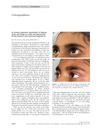
November 2009 in “Clinical and experimental dermatology”
14 citations
,
November 2009 in “Clinical and experimental dermatology” This article presents a case report of a child with coexisting alopecia areata and vitiligo showing improvement with topical prostaglandin E2 treatment, without reporting new clinical results.
This study examined the relationship between sympathetic nerve endings and alopecia using direct and indirect immunofluorescence on human tissue samples, reporting no new clinical results.
14 citations
,
June 2022 in “British Journal of Dermatology” This study found that the Alopecia Areata Symptom Impact Scale (AASIS) is a better tool than the Alopecia Areata Quality of Life Index (AA-QLI) for assessing patient-reported outcomes in alopecia areata.
 1 citations
,
October 2020 in “Journal of Investigative Dermatology Symposium Proceedings”
1 citations
,
October 2020 in “Journal of Investigative Dermatology Symposium Proceedings” This report from the seventh AA Research Summit discusses research highlights and sets future priorities for managing alopecia areata.
October 2021 in “Book Publisher International (a part of SCIENCEDOMAIN International)” This study explored a new treatment for Alopecia Areata, combining high negative pressure microdermabrasion with intralesional steroid injections, and compared its effects to steroid injections alone, although the abstract does not report specific outcomes.
28 citations
,
October 2017 in “Journal of the American Academy of Dermatology” Pediatric alopecia areata is rare, affecting more girls than boys, and peaks at ages 9-12.

This abstract contains subscription and access information for Wolters Kluwer Health journals but reports no research findings.
June 2023 in “The Journal of Dermatology” This abstract provides supplementary materials and directs queries to the corresponding author but presents no new research findings.
This study found that low-level laser therapy significantly improved hair count and reduced hair loss in patients with alopecia areata of the scalp.
In this study, researchers identified an elite germplasm of the medicinal plant Eclipta alba, known for its liver disease benefits, with higher growth, yield, and wedelolactone content, suitable for large-scale cultivation to reduce strain on wild populations.
 2 citations
,
May 2025 in “Frontiers in Pharmacology”
2 citations
,
May 2025 in “Frontiers in Pharmacology” In this study, analysis of FDA data revealed a substantial risk of dermatologic adverse events with aromatase inhibitors, especially anastrozole and exemestane, highlighting the importance of dermatologic monitoring during such therapies.
November 2025 in “Journal of Investigative Dermatology” This review highlights that alopecia areata significantly impacts mental health and finances, with patients facing depression, anxiety, and substantial out-of-pocket expenses due to limited insurance coverage.
 2 citations
,
July 2023 in “Journal of cosmetic dermatology”
2 citations
,
July 2023 in “Journal of cosmetic dermatology” In this study, JAK inhibitors like baricitinib and ruxolitinib were found to be more effective and caused fewer discontinuations due to adverse events in adults with alopecia areata compared to therapies like dupilumab and apremilast, highlighting the need for more high-quality comparative trials.
1 citations
,
January 2021 in “Dermatologic Therapy” This study found that intralesional Candida antigen was as effective as intralesional steroids for treating alopecia areata after 5 months, with significantly lower injection pain reported in the Candida group.
 April 2023 in “Neurology”
 This study examined treatments for emesis in young Alexander disease patients, finding that 95% responded positively to valproic acid, which was more effective than anti-reflux medications or cyproheptadine, though some adverse effects require monitoring.
 5 citations
,
February 2015 in “Dermatologic Surgery”
5 citations
,
February 2015 in “Dermatologic Surgery” Two cases of a rare skin condition were successfully treated with laser therapy, offering a non-surgical treatment option.
 December 2023 in “The Sri Lanka Journal of Dermatology”
 In this case report, a 12-year-old girl was diagnosed with alopecia as part of the rare ALX4-related frontonasal dysplasia sequence, highlighting the condition's uniqueness in pediatric dermatology.
 4 citations
,
November 2020 in “Journal of Investigative Dermatology Symposium Proceedings”
4 citations
,
November 2020 in “Journal of Investigative Dermatology Symposium Proceedings” The Brigham Eyebrow Tool for Alopecia is a simple and reliable way to measure eyebrow hair loss.