28 citations
,
March 2013 in “Journal of Investigative Dermatology” Kv1.3 blockers may help treat alopecia areata and promote hair regrowth.
 September 2017 in “Journal of Investigative Dermatology”
 This study found that hyaluronic acid increased the size and cell proliferation of mixed aggregates in a 3D culture model, indicating its role in human hair follicle germ-like structure formation without enhancing dermal papilla cell markers.
June 2025 in “Molecular Therapy — Nucleic Acids” In this study, researchers identified a specific DNA aptamer, Ap.OR2AT4.17, that effectively prolonged hair growth and increased hair shaft elongation in organ-cultured human hair follicles by targeting the olfactory receptor OR2AT4. This finding suggests the aptamer's potential as a novel therapy for hair loss disorders.
7 citations
,
August 2019 in “JAAD Case Reports” This article reviews the potential relationship between serum amyloid A and hidradenitis suppurativa, highlighting genetic influences, but reports no new clinical findings.
43 citations
,
November 2009 in “Archives of dermatology” This study found that alefacept showed no significant improvement in treating severe alopecia areata compared to placebo over a 24-week period.
January 2025 in “Dermatologic Therapy” In this study, patients with alopecia areata were found to have higher high-sensitivity cardiac troponin T levels compared to healthy controls, indicating a potential link between the condition and cardiovascular risk.
21 citations
,
March 2015 in “Neurological Sciences” This study reports that a novel frameshift mutation in the HTRA1 gene in a CARASIL pedigree led to reduced HTRA1 protein and increased TGF-β1 expression, potentially causing severe CARASIL and peripheral small arterial disease.
 April 2017 in “Journal of Investigative Dermatology”
 This case study reports that a heterozygous missense GJA1 mutation, p.Gly138Ser, in a 2-year-old boy with oculodentodigital syndrome primarily resulted in syndactyly, fifth finger hypoplasia, and hypotrichosis, without neurological or craniofacial abnormalities.
 April 2024 in “Skin health and disease”
 In this case study, a patient developed parieto-temporal pain, tissue necrosis, and alopecia after receiving a hyaluronic acid injection for temporal augmentation, which was effectively treated with hyaluronidase and aspirin.

This article suggests that alopecia areata may be an early skin manifestation of hereditary hemochromatosis in individuals predisposed to autoimmunity, recommending iron status evaluation during AA diagnosis; it reports no new clinical results.
191 citations
,
November 2007 in “Journal of Biological Chemistry” This review discusses the acyl-CoA synthetase very-long-chain (ACSVL) enzyme family, including its biochemical characteristics, tissue expression, and involvement in lipid metabolism, but presents no new experimental results.
 11 citations
,
January 2013 in “Revista Brasileira De Terapia Intensiva”
11 citations
,
January 2013 in “Revista Brasileira De Terapia Intensiva” This article reports a case of rhabdomyolysis in a patient two hours after consuming the freshwater fish Mylossoma duriventre, suggesting a possible link to Haff disease from an unidentified toxin.
 18 citations
,
April 2013 in “PLOS ONE”
18 citations
,
April 2013 in “PLOS ONE” This study found that in a mouse model, alopecia areata was associated with changes in heart structure, biochemistry, and gene expression linked to cardiac hypertrophy after ACTH exposure.
3 citations
,
July 2023 in “Biomolecules” This study reports that some human cell surface HLA-I molecules (including HLA-B27) can appear without their usual peptide component, potentially altering immune interactions, influencing arthritis development in specific mice models, and exhibiting upregulation in certain cancer cells.
 139 citations
,
December 1998 in “The journal of investigative dermatology/Journal of investigative dermatology”
139 citations
,
December 1998 in “The journal of investigative dermatology/Journal of investigative dermatology” This study identified a new type II cytokeratin, named K6hf, exclusively expressed in the companion layer of the human hair follicle, distinguishing it from other keratins and suggesting a unique biochemical role.
December 2021 in “OPAL (Open@LaTrobe) (La Trobe University)” This study found that knocking out the Hars2 gene in mouse cochlear hair cells led to mitochondrial dysfunction and ROS stress, resulting in progressive hearing loss and differential effects on inner and outer hair cells.
 11 citations
,
April 2015 in “International Journal of Cosmetic Science”
11 citations
,
April 2015 in “International Journal of Cosmetic Science” This study found that topical adenosine significantly increased the ratio of thick hairs and contributed to global improvement in Japanese men with androgenetic alopecia compared to niacinamide, with no observed adverse events.
 January 2011 in “Journal of Society of Cosmetic Chemists of Japan”
 This study found that a conditioner containing 18-MEA and SPDA can improve hair's smoothness and reduce flyaways, enhancing hair manageability.
August 2009 in “Mechanisms of Development” 55 citations
,
April 2008 in “Clinical Genetics” This report identifies a novel mutation in the ST14 gene in a female with autosomal recessive ichthyosis with hypotrichosis, highlighting similar features to previously reported cases.
2 citations
,
August 1999 in “PubMed”  1 citations
,
April 2019 in “Acta Medica Philippina”
1 citations
,
April 2019 in “Acta Medica Philippina” This review discusses emerging evidence on azathioprine's efficacy and safety for severe alopecia areata, reporting sustained response in many patients but emphasizing the need for controlled trials.
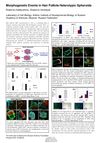
This study found that hyaluronic acid increased the size of hair follicle germ-like aggregates and the number of proliferative cells but did not maintain specific markers during the process.
August 2025 in “International Journal of Molecular Sciences” This study found that arginine vasotocin is evolutionarily conserved across diverse taxa and may play roles in neuroendocrine, immune, and stress signaling, with potential antimicrobial applications.
 11 citations
,
September 2011 in “British Journal of Dermatology”
11 citations
,
September 2011 in “British Journal of Dermatology” New ABCA12 gene mutations were linked to a skin condition with scaling and hair loss, and a treatment helped with hair loss in a related case.
 1 citations
,
January 2023 in “Journal of Clinical Medicine”
1 citations
,
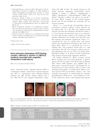
January 2023 in “Journal of Clinical Medicine” This study reported that Tomorrowlabs HIF strengthening factor [HSF] hair restoration technology significantly improved hair thickness, density, shine, and elasticity, while reducing hair loss by an average of 66.8% and enhancing hair growth by up to 32.5% in subjects with androgenic alopecia over nine months.
 22 citations
,
November 2021 in “Dermatology and Therapy”
22 citations
,
November 2021 in “Dermatology and Therapy” This study found that the Alopecia Areata Patient Priority Outcomes questionnaire is a reliable and valid tool for measuring the severity and impact of hair loss in individuals with alopecia areata.
37 citations
,
August 1999 in “Journal of Investigative Dermatology” This study identified a nonsense mutation in the zinc-finger domain of the hairless gene associated with congenital atrichia in a Japanese family, indicating a potential genetic cause for this rare form of alopecia.
 42 citations
,
April 2009 in “Human Genetics”
42 citations
,
April 2009 in “Human Genetics” This study suggests that the AGA risk haplotype in Europeans was driven to high frequency by positive selection, likely associated with a variant in the EDA2R gene.
2 citations
,
January 2020 in “Evidence-based Complementary and Alternative Medicine” This study found that Hataedock may alleviate atopic dermatitis symptoms in mice by maintaining skin homeostasis and improving skin barrier formation through the endocannabinoid system.