This study concluded that 5% minoxidil foam or solution applied twice daily is effective and safe for treating male androgenetic alopecia.
 April 2023 in “Journal of Investigative Dermatology”
 This study found that occlusive dressings on mouse wounds eliminated wound-induced hair neogenesis by upregulating mechanotransduction, which promotes fibrosis, and suppressing Wnt signaling involved in regeneration.
 35 citations
,
June 2017 in “Pharmacognosy Journal”
35 citations
,
June 2017 in “Pharmacognosy Journal” This study found that alkaloids isolated from Eclipta alba leaves showed increasing antimicrobial activity with higher concentrations, particularly against S. aureus and E. coli, suggesting potential for developing antimicrobial agents.
32 citations
,
January 2016 in “Development” This study introduced Scd3-Cre mice, which enabled sebocyte-specific manipulation, revealing that sebaceous lipid depletion impaired water repulsion, thermoregulation, and the ocular surface, resembling Meibomian gland dysfunction.
29 citations
,
October 2009 in “Pharmacology Biochemistry and Behavior”  21 citations
,
January 2012 in “Biological and Pharmaceutical Bulletin”
21 citations
,
January 2012 in “Biological and Pharmaceutical Bulletin” This study found that using a combination of iontophoresis and liposomal delivery facilitated the effective intradermal administration of superoxide dismutase in rats, reducing oxidative skin damage from UV exposure.
 12 citations
,
January 2018 in “Journal of Drug Delivery Science and Technology”
12 citations
,
January 2018 in “Journal of Drug Delivery Science and Technology” This study developed solid lipid nanoparticles for effective delivery of shRNA-encoding plasmids, showing reduced 5α-reductase levels in DU-145 cells without significant cytotoxicity.
 9 citations
,
April 2018 in “JAMA Dermatology”
9 citations
,
April 2018 in “JAMA Dermatology” This abstract provided no research findings as it contains only website navigation and service information.
8 citations
,
July 2023 in “Frontiers in Pharmacology” This review highlights cepharanthine as a promising candidate for COVID-19 treatment due to its antiviral activity against SARS-CoV-2 and favorable pharmacokinetic and safety profile, but reports no new clinical results.
 7 citations
,
January 2018 in “Medicinski arhiv”
7 citations
,
January 2018 in “Medicinski arhiv” In this study, a herbal extract mixture significantly reduced IL-1α gene expression in HaCaT cells, suggesting it may aid in the treatment of nonscarring alopecia.
6 citations
,
March 2023 in “Frontiers in Cellular and Infection Microbiology” This study found that Golvatinib, Gliquidone, and Dihydroergotamine may inhibit the binding of SARS-CoV-2's Nsp1 protein to the host ribosomal subunit, suggesting potential as treatments against COVID-19 variants.
 4 citations
,
June 2024 in “Journal of pharmacopuncture”
4 citations
,
June 2024 in “Journal of pharmacopuncture” This review compiles current experimental research on Alzheimer's and cognitive impairment models, highlighting the potential of *Polygonum multiflorum* for treating neurological disorders and suggesting a foundation for future clinical trials.
2 citations
,
August 2023 in “Molecules” This study found that a quinazoline derivative, SH-340, increased skin barrier-associated factors and inhibited TSLP expression and STAT6 phosphorylation in human primary keratinocytes, suggesting potential benefits for alleviating inflammation and improving skin barrier function in atopic dermatitis.
 2 citations
,
September 2022 in “Advances in Environmental Biology”
2 citations
,
September 2022 in “Advances in Environmental Biology” This study found that ethanolic extracts of Avicennia marina leaves showed potential antibacterial activity against Vancomycin-Resistant Enterococcus faecium but were less effective than standard antibiotics.
 2 citations
,
January 2019 in “Indian Dermatology Online Journal”
2 citations
,
January 2019 in “Indian Dermatology Online Journal” This paper summarizes the foundation and proceedings of the first International Congress of SAARCUM, which addressed the growing issue of antifungal therapy failures in South Asia but reports no new research findings.
 1 citations
,
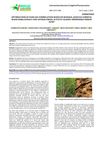
May 2025 in “International Journal of Applied Pharmaceutics”
1 citations
,
May 2025 in “International Journal of Applied Pharmaceutics” This study formulated a nanogel with Bangkal bark extract that showed moderate antibacterial activity against Propionibacterium acnes, with the F3 formulation (8% extract) achieving the highest inhibition zone of 8 mm, suggesting potential as a natural acne treatment.
1 citations
,
March 2025 in “JAAD reviews.” This study found that hypertrichosis occurs in 23% of patients using minoxidil for alopecia, but only 0.49% discontinued treatment due to this side effect.
 1 citations
,
September 2023 in “Journal of Investigative Dermatology”
1 citations
,
September 2023 in “Journal of Investigative Dermatology” This article discusses the mechanisms behind chemotherapy-induced alopecia and the potential for permanent hair loss due to irreversible damage to hair follicle stem cells, but it reports no new clinical findings.
 1 citations
,
September 2023
1 citations
,
September 2023 This study reported that the combination of tridax procumbens and ginger juice improved antioxidant activity and protected against liver damage induced by paracetamol in rats, suggesting a potent hepatoprotective effect.
 1 citations
,
August 2017 in “British Journal of Dermatology”
1 citations
,
August 2017 in “British Journal of Dermatology” Sodium hypochlorite can effectively prevent and remove Staphylococcus aureus biofilms in atopic dermatitis at high enough concentrations.
 October 2020 in “Journal of Ayurvedic and herbal medicine”
 In this study, Dheedhi Hair Care herbal shampoo significantly reduced hair fall and dandruff compared to a regular shampoo, with no reported side effects.
 June 2017 in “Journal of The American Academy of Dermatology”
 7.5% DEET lotion is more effective and safe at repelling mosquitoes than rosemary, citronella, and lemongrass lotions.
August 2026 in “Clinical Cosmetic and Investigational Dermatology” This study highlights the potential of stem cell-derived extracellular vesicles to treat UV-induced skin damage by modulating key signaling pathways, though challenges like EV composition variability and skin barrier penetration remain, underscoring the need for further research into optimized delivery methods for effective therapies.
May 2026 in “Bioorganic Chemistry”  May 2026 in “Journal of Health Sciences and Medicine”
 This study found that biotinoyl tripeptide-1-loaded solid lipid nanoparticles significantly improved thermal protection in hair, enhancing cuticle integrity and resistance to heat damage, compared to control samples.
 April 2026 in “Inflammopharmacology”
 This study found that Punica granatum ethanolic leaf extract may alleviate skin fibrosis in rats by modulating inflammation-related pathways and reducing dermal alterations.
 March 2026 in “DergiPark (Istanbul University)”
 In this study, BTP-loaded solid lipid nanoparticles were developed and shown to protect hair from heat-induced damage by enhancing cuticle integrity and thermal resistance in simulated thermal straightening conditions.
October 2025 in “Benha Veterinary Medical Journal” In this study, the researchers reported that both dandelion and safflower extracts protected against liver and kidney damage caused by thioacetamide in rats, with safflower being more effective than both silymarin and dandelion.
 June 2025 in “Universities Journal of Phytochemistry and Ayurvedic Heights”
 This study evaluated the wedelolactone content and antimicrobial activity of Eclipta alba and Wedelia chinensis extracts, finding a potential relationship between the concentration of wedelolactone and their in vitro antimicrobial effects against several pathogenic bacteria and yeast.