 April 2018 in “Journal of Investigative Dermatology”
 This study found that 1550-nm Er:Glass fractional laser treatment significantly increased hair density and shaft diameter in patients with androgenetic alopecia, though the mechanism may not involve Wnt10A or IGF-1 expression.
 July 2012 in “European journal of cancer”
 This study demonstrated that switching aE-catenin to aT-catenin in murine skin substantially rescued hyperproliferative and pre-cancerous conditions, but led to partial baldness, indicating potential functional discrepancies.
25 citations
,
May 2019 in “Cosmetics” This paper reviews the surface degradation of hair and describes how combining 18-MEA with specific surfactants can maintain hydrophobicity on bleached and weathered hair surfaces.
 2 citations
,
August 2019 in “BMC Complementary and Alternative Medicine”
2 citations
,
August 2019 in “BMC Complementary and Alternative Medicine” This study found that ethanolic asiasari radix extract may induce apoptosis in G361 melanoma cells through ROS-dependent regulation of p53, suggesting potential as a medicinal option for melanoma.
 1 citations
,
January 2020 in “Benha Journal of Applied Sciences”
1 citations
,
January 2020 in “Benha Journal of Applied Sciences” This study found that DEFB1 polymorphisms, specifically the rs1800972 CG and GG genotypes, may predict susceptibility to and severity of alopecia areata.
July 2024 in “Journal of Investigative Dermatology” This study suggests that macrophages, especially CD206+ subsets, play a key role in hair growth induced by squaric acid dibutyl ester, a therapy used for alopecia areata.
5 citations
,
August 2021 in “Frontiers in Cell and Developmental Biology” This study found that DHEA along with osteogenic induction medium significantly promotes the osteogenic differentiation and proliferation of human bone marrow mesenchymal stem cells from older individuals.
 22 citations
,
November 2013 in “Clinical and experimental dermatology (Print)”
22 citations
,
November 2013 in “Clinical and experimental dermatology (Print)” This study suggests that Ecklonia cava, particularly its component dioxinodehydroeckol, may promote hair growth by enhancing dermal papilla and outer root sheath cell activity in culture and mice models.
 89 citations
,
August 2008 in “Human genetics”
89 citations
,
August 2008 in “Human genetics” This study found that the EDAR 1540T/C genetic variant is significantly associated with hair thickness variation in Japanese populations, enhancing previously observed associations in Southeast Asian groups.
 11 citations
,
November 2013 in “Skin Pharmacology and Physiology”
11 citations
,
November 2013 in “Skin Pharmacology and Physiology” This case collection reports that 15% azelaic acid gel can be effectively used as a monotherapy to treat mild-to-moderate adult female acne.
 November 2023 in “The journal of investigative dermatology/Journal of investigative dermatology”
 This study found that engineered high-affinity soluble CD200R agonists, including ARQ-234, showed superior efficacy in reducing immune responses in various preclinical models of inflammatory conditions, suggesting potential as a therapeutic for atopic dermatitis and other related diseases.
September 2023 in “Journal of the American Academy of Dermatology” 4 citations
,
July 2023 in “Frontiers in Microbiology” HGF combined with ADA is highly accurate for diagnosing tuberculous pleural effusion, especially in younger females.
April 2015 in “Our Dermatology Online” This report presents a case of acrodermatitis enteropathica in a 22-year-old female, highlighting the absence of underlying comorbid conditions.
16 citations
,
July 1996 in “Journal of Investigative Dermatology” 1 citations
,
April 2017 in “Journal of Investigative Dermatology” Abatacept may help some people with alopecia areata regrow hair.
 May 2026 in “Zenodo (CERN European Organization for Nuclear Research)”
 This study presents a hypothesis that the EDAR V370A allele was positively selected in East Asian populations due to the stable aquatic resources in Late Pleistocene northern China, which may have offset the allele's metabolic costs and provided a selective advantage.
November 2022 in “Journal of Investigative Dermatology” This study reported that an HS-associated NCSTN mutation in iPSC-derived skin organoids led to altered hair follicle stem cell differentiation and increased expression of proteins linked to HS inflammation.
 1 citations
,
April 2018 in “Journal of Investigative Dermatology”
1 citations
,
April 2018 in “Journal of Investigative Dermatology” In this study, OEA was found to significantly enhance sebaceous lipogenesis and potentially reduce inflammation in human sebocytes, suggesting it as a promising candidate for treating skin dryness.
December 2024 in “CONICET Digital (CONICET)” This study found that the small signaling peptide RALF22 plays a key role in root hair growth response to volatile compounds emitted by Penicillium aurantiogriseum through ethylene, auxin, and photosynthesis signaling in Arabidopsis.
January 2026 in “Zenodo (CERN European Organization for Nuclear Research)” This document promotes an Erthwellness discount code that offers a 25% reduction on all their natural health products, without presenting any new research findings.
 19 citations
,
May 2014 in “Molecules”
19 citations
,
May 2014 in “Molecules” This study found that the methanolic heartwood extract of Avicennia marina significantly inhibits 5α-reductase type 1, reducing 5α-DHT production by 52% in a cell-based assay with human hair dermal papilla cells.
March 2026 in “Experimental Dermatology” This study developed an in vitro model using NTERT keratinocytes expressing AEC-related TP63 mutations, which replicated skin defects observed in AEC patients and offers a valuable tool for understanding the disorder and developing new treatments.
 20 citations
,
December 2010 in “JEADV. Journal of the European Academy of Dermatology and Venereology/Journal of the European Academy of Dermatology and Venereology”
20 citations
,
December 2010 in “JEADV. Journal of the European Academy of Dermatology and Venereology/Journal of the European Academy of Dermatology and Venereology” This study found that selective downregulation of CD200 in the bulge area might contribute to unusual bulge involvement in a subset of alopecia areata cases.

This study suggests that keratin 15 and Id3 proteins play distinct roles in epithelial and dermal cell activities during the regeneration stages of rat vibrissae hair follicles.
3 citations
,
February 2023 in “Journal of Investigative Dermatology” Ch55 may help reduce skin scarring and fibrosis.
 1 citations
,
October 2025 in “Nano Research”
1 citations
,
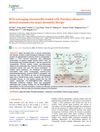
October 2025 in “Nano Research” In this study, researchers developed a dissolvable microneedle patch combining HA-TEMPO and Portulaca oleracea L.-derived nanoparticles, which effectively reduced oxidative stress and inflammation in an atopic dermatitis model while restoring immune balance, suggesting a promising treatment strategy.
June 2026 in “Value in Health”  January 2025 in “Clinical and Translational Medicine”
 This research found that exosome-derived long non-coding RNA AC010789.1, modified by FTO and hnRNPA2B1, enhanced human hair follicle stem cell proliferation against androgenic alopecia through the activation of S100A8/Wnt/β-catenin signaling pathways.
 September 2024 in “Advanced Biomedical Research”
 In this study, chick embryo extract enhanced neuronal differentiation and trophic factor expression in rat hair follicle stem cells, suggesting potential improvements for stem cell therapies in neurodegenerative diseases.