 November 2022 in “Research Square (Research Square)”
 This study found that HOXC13 gene expression was significantly higher during the anagen phase in Angora goats, potentially contributing to the mohair's shiny and silky nature.
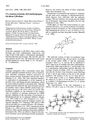 December 1998 in “Acta Crystallographica Section C-crystal Structure Communications”
 This study describes the molecular conformation and intermolecular interactions in the crystalline structure of the compound C24H31BrO4.
 6 citations
,
August 2022 in “The Italian Journal of Pediatrics/Italian journal of pediatrics”
6 citations
,
August 2022 in “The Italian Journal of Pediatrics/Italian journal of pediatrics” This report identified three novel genetic mutations associated with congenital ichthyosis in Italian newborns and emphasized the importance of next-generation sequencing for personalized patient management.
 1 citations
,
June 2019 in “Current developments in nutrition”
1 citations
,
June 2019 in “Current developments in nutrition” This case study reports that pancreatic enzyme replacement and fatty acid supplementation improved symptoms of fat malabsorption and essential fatty acid deficiency in a patient with EDS-4.
February 2026 in “The Plant Journal” This study found that in Arabidopsis, root hair-specific proteins ADF8 and ADF11 are crucial for responding to hormonal signals like auxin and ethylene, which in turn modulate actin filament dynamics and are key for root hair growth under various environmental conditions.
9 citations
,
June 2021 in “Journal of Inflammation Research” This study found that Euph E and Euri A showed strong anti-inflammatory activity and modulated cytokine and immune functions in macrophages, related to specific signaling pathways.
January 2009 in “Yearbook of Endocrinology” DHEA therapy improves pubic hair growth and psychological well-being in young females with central adrenal insufficiency.
1 citations
,
August 2023 in “Journal of Investigative Dermatology” Farudodstat may help treat alopecia areata by protecting hair follicles.
18 citations
,
July 2023 in “International Journal of Molecular Sciences” This study found that KY19382, a small molecule activating the Wnt/β-catenin pathway, significantly improved wound healing by enhancing cell migration, increasing collagen and stem cell markers, and accelerating re-epithelialization and neo-epidermis formation in a murine model without causing significant cytotoxicity.
May 2025 in “Acta Biomaterialia” This study developed microneedles combining insulin-like growth factor-1 and type XVII collagen, showing more effective hair regeneration and reduced inflammation compared to minoxidil in a mouse model of androgenetic alopecia.
 March 2026 in “International Journal of Dermatology and Venereology”
 This study found that abrocitinib showed promising efficacy and safety in adolescents with moderate-to-severe alopecia areata, with significant hair regrowth observed over 10 months of treatment.

The medicine Diane is effective in treating hair loss, severe acne, and excessive hair growth.
 1 citations
,
September 2019 in “Steroids”
1 citations
,
September 2019 in “Steroids” In this study, genetic testing confirmed the diagnosis of Androgen insensitivity syndrome in most CAIS patients in Tunisia and identified two previously unreported mutations in the androgen receptor gene.
 3 citations
,
May 2015 in “Journal of The American Academy of Dermatology”
3 citations
,
May 2015 in “Journal of The American Academy of Dermatology” Adalimumab significantly improves quality of life for patients with moderate to severe hidradenitis suppurativa.
June 2025 in “British Journal of Dermatology” This study introduces ALUDWIG, an automated tool for assessing female androgenic alopecia severity from smartphone images, which may offer a more consistent alternative to current scoring methods like the Ludwig scale.
This study reports on a new semantic annotation approach used to identify substances in MEDLINE abstracts responsible for adverse drug reactions, with promising performance shown by a prototype system.
 July 2012 in “European journal of cancer”
 This study demonstrated that switching aE-catenin to aT-catenin in murine skin substantially rescued hyperproliferative and pre-cancerous conditions, but led to partial baldness, indicating potential functional discrepancies.
This study found that type XVII collagen is crucial for regulating epidermal cells' proliferation in mice and may be a promising target for anti-aging skin treatments.
117 citations
,
April 2008 in “Developmental biology” This study identified that Eda-A1 unexpectedly induces placode inhibitors dkk4 and lrp4, indicating the importance of tightly regulated signaling for proper ectodermal organ development.
63 citations
,
January 2010 in “Frontiers in Aging Neuroscience” This study found that 3alpha-diol, an androgen metabolite, improved cognitive and affective performance in aged male rats, suggesting its role in countering age-related decline in hippocampally-influenced behaviors.
 2 citations
,
January 2024 in “European Journal of Case Reports in Internal Medicine”
2 citations
,
January 2024 in “European Journal of Case Reports in Internal Medicine” The researchers reported a case of Beau's lines in a 65-year-old man, potentially linked to past severe COVID-19 infections, suggesting that identifying these nail changes might signal prior infection and increased risk of reinfection.
 January 2024 in “American journal of clinical dermatology”
 This study reports that ritlecitinib, when used for up to 24 months in patients aged 12 and older with alopecia areata, has an acceptable safety profile, with a similar proportion of adverse events in both ritlecitinib and placebo groups in the placebo-controlled cohort.
April 2025 in “Indian Journal of Paediatric Dermatology” This case report describes a 7-month-old girl diagnosed with acrodermatitis enteropathica, linked to low zinc levels, whose skin lesions improved significantly after zinc supplementation.
 September 2016 in “Journal of the Society of Cosmetic Scientists of Korea”
 This study found that Resina Pini and its main component, abietic acid, significantly promoted hair growth in a mouse model of androgenic alopecia by inhibiting 5α-reductase activity.
 43 citations
,
February 2013 in “Developmental dynamics”
43 citations
,
February 2013 in “Developmental dynamics” This study found that Eda and activin A regulate Foxi3 expression, which may contribute to the development of hypohidrotic ectodermal dysplasia by affecting Foxi3 activity in ectodermal appendages like hair and teeth.
1 citations
,
March 2022 in “bioRxiv (Cold Spring Harbor Laboratory)” This study used confocal Brillouin microscopy to observe that a decrease in tissue compressibility occurs during the development and regeneration of axolotl limbs, suggesting mechanical changes linked to regeneration stages undetectable by fluorescence microscopy.
 1 citations
,
April 2023 in “Frontiers in Genetics”
1 citations
,
April 2023 in “Frontiers in Genetics” This report on individuals with AEBP1-related classical-like EDS confirmed previous findings and identified hair loss as a potential characteristic feature of this rare condition for the first time. Additionally, cardiovascular complications observed in some individuals suggest that cardiovascular monitoring may be necessary.
1 citations
,
April 1977 in “Munich Personal RePEc Archive (Ludwig Maximilian University of Munich)” This study introduces an efficient ghost-cell based immersed boundary method for simulating fluid-particle mass transfer, capable of accurately handling mixed boundary conditions at particle surfaces.
 7 citations
,
April 2009 in “Bioorganic & Medicinal Chemistry Letters”
7 citations
,
April 2009 in “Bioorganic & Medicinal Chemistry Letters” Diphenyl ethers can potentially reduce excess oil production when applied on the skin, helping treat conditions like acne.
 2 citations
,
February 2025 in “Applied Microbiology and Biotechnology”
2 citations
,
February 2025 in “Applied Microbiology and Biotechnology” This study suggests that Isaria cicadae Miquel rice fermentation extract may enhance regenerative wound healing of hair follicles in mouse skin through the Hippo pathway mechanism.