October 2021 in “QJM: An International Journal of Medicine” This study found that N-acetyl-cysteine alone or combined with minoxidil improved hair parameters in men with early-onset androgenetic alopecia, with tolerable side effects.
 59 citations
,
January 2002 in “Dermatology”
59 citations
,
January 2002 in “Dermatology” This study suggests the existence of a new subtype of alopecia, called 'acute diffuse and total alopecia of the female scalp (ADTAFS)', characterized by acute, diffuse hair loss primarily in women and a rapid recovery.
July 2025 in “The Egyptian Journal of Hospital Medicine” This study found that intralesional methotrexate and triamcinolone acetonide have similar efficacy for localized alopecia areata in adults, but differ in safety profiles, with methotrexate associated with hyperpigmentation and triamcinolone with atrophy.
33 citations
,
October 2006 in “European Journal of Immunology” This study found that CD44 and CD49d together enhance signaling pathways in lymphocytes in mice with alopecia areata, influencing their activation and function.
 October 2024 in “Journal of the Endocrine Society”
 This case report highlights a patient with Ayme-Gripp syndrome, revealing an association between the syndrome and hypothyroidism, and underscores the importance of considering rare genetic conditions in differential diagnoses of endocrinopathies.
 March 2026 in “SKIN The Journal of Cutaneous Medicine”
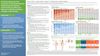
 This study demonstrated that litifilimab significantly reduced disease activity in cutaneous lupus erythematosus by Week 16, with improvements most notable in sunlight-exposed skin areas.
 February 2025 in “Dermatology and Therapy”
 This study highlights alopecia areata incognita as a unique form of alopecia areata that shares features with telogen effluvium and may relate to androgenetic alopecia, noting its sudden onset and favorable response to topical steroids.
12 citations
,
December 2011 in “Journal of Dermatological Science” This study suggests that the C-terminal of AHF is crucial for its binding to keratin bundles and modulating the keratin meshwork in hair follicles.
56 citations
,
June 2010 in “Clinical and experimental dermatology” In this study, coudability hairs were identified as a useful marker for assessing disease activity in patients with alopecia areata and may serve as an alternative to the hair-pull test.
March 2018 in “Chin J Reprod Contracep” This review outlines chlormadinone acetate's contraceptive and non-contraceptive applications but reports no new clinical findings, emphasizing its potential in treating dysmenorrhea and androgen-related conditions.
 February 2024 in “Skin research and technology”
 This study found that line-field confocal optical coherence tomography effectively visualized microscopic alterations in alopecia areata, suggesting its potential use in diagnosis and monitoring.
 September 2021 in “CRC Press eBooks”
 This article discusses features, genetics, and diagnostic challenges of central centrifugal cicatricial alopecia in African American women but reports no new clinical results.
 January 2026 in “International Research Journal of Modernization in Engineering Technology and Science”
 This review outlines the existing understanding of alopecia areata, detailing its autoimmune nature, clinical presentation, histology, and management strategies, with corticosteroids highlighted as the most popular treatment option.
 19 citations
,
March 1997 in “Journal of Cutaneous Pathology”
19 citations
,
March 1997 in “Journal of Cutaneous Pathology” This study observed that patients with alopecia areata often have a T-cell receptor repertoire in skin lesions that suggests a specific antigen-driven immune response may be important in the disease's pathogenesis.
 2 citations
,
May 2021 in “Clinical Pharmacology in Drug Development”
2 citations
,
May 2021 in “Clinical Pharmacology in Drug Development” This phase 1 study reported that after administering supratherapeutic doses of cortexolone 17α‐propionate, a topical antiandrogen intended for hair loss treatment, there was no effect on the QTc interval, indicating no measurable cardiac safety concerns in the concentration range tested.
114 citations
,
October 2006 in “Journal of the European Academy of Dermatology and Venereology” In this study, clobetasol propionate foam demonstrated effectiveness and good patient compliance as a safe topical treatment for moderate to severe alopecia areata, with significant hair regrowth compared to placebo.
January 2007 in “Frontiers in Medicine” This study found that tofacitinib was an effective and better-tolerated treatment for moderate-to-severe AA compared to SCs, though its efficacy decreased in patients with disease episodes longer than two years.
2 citations
,
May 2023 in “Indian Journal of Dermatology Venereology and Leprology” A new genetic mutation in the CAST gene may link PLACK syndrome to alopecia areata.
1 citations
,
April 2022 in “Clinical Cosmetic and Investigational Dermatology” In this study, a case of lichen amyloidosis on the scalp significantly improved with a 2-month topical treatment using clobetasol propionate/all-trans retinoic acid ointment.
60 citations
,
October 2009 in “PubMed” This study reports that intralesional triamcinolone acetonide was effective and well-tolerated for treating extensive alopecia areata in patients who often showed specific initial hair characteristics.
 March 2024 in “Healthcare”
 In this study, women with androgenetic alopecia underwent stem cell treatment, which led to significant improvements in sexual arousal and satisfaction, psychological health, and environmental quality of life, but not in physical health or social relationships after six months.
July 2026 in “SKIN The Journal of Cutaneous Medicine” This case report details a 17-year-old male with Alopecic and Aseptic Nodules of the Scalp successfully treated with doxycycline and intralesional corticosteroids, highlighting the importance of thorough evaluation for accurate diagnosis.
May 2026 in “International Journal of Dermatology” This study investigated a unique frontal fibrosing alopecia-like presentation of alopecia areata, finding that patients experienced an insidious, chronic course with limited scalp hair regrowth, and showed a lower response to systemic corticosteroids compared to patchy alopecia areata.
This abstract provides a glossary of medical terms related to skin, joints, and other conditions, without reporting new research findings.

In this study, 1'-S-1'-acetoxychavicol acetate (ACA) from Alpinia galanga showed potential in suppressing testosterone-induced hair loss by inhibiting Nox isozymes in a mouse model of androgenetic alopecia.
 September 2023 in “Journal of The American Academy of Dermatology”
 This study aimed to describe the distribution of eyebrow and eyelash hair loss in patients with varying severities of scalp hair loss from alopecia areata but does not report results.
 24 citations
,
October 2018 in “JAAD Case Reports”
24 citations
,
October 2018 in “JAAD Case Reports” This paper reviews the challenges of treating alopecia areata affecting eyelashes and discusses the risks associated with traditional therapies; it reports no new clinical results.

In this study, a strong positive correlation was found between clinician-reported and patient-reported measures for assessing eyebrow and eyelash hair loss in patients with severe alopecia areata, indicating high agreement during treatment with baricitinib over 52 weeks.
 April 2023 in “The journal of investigative dermatology/Journal of investigative dermatology”
 This preliminary study of Alopecia Areata identified limited expression of certain metabolic transporters and enzymes in hair follicle immune cells, providing early insight into their unique energy needs.
July 2026 in “Journal of the American Academy of Dermatology”