1 citations
,
January 1979 in “International Journal of Dermatology” This article reviews the use of anti-androgens, particularly cyproterone acetate, for managing hirsutism, but does not provide new clinical results.
6 citations
,
January 2015 in “Journal of clinical & experimental dermatology research” This study suggests that combining monoammonium glycyrrhizinate/glycine/DL-methionine tablets with 5% carpronium chloride may reduce alopecia areata area more effectively than carpronium chloride alone, particularly in patients with allergic factors.
 4 citations
,
January 1970 in “Journal of Bangladesh College of Physicians and Surgeons”
4 citations
,
January 1970 in “Journal of Bangladesh College of Physicians and Surgeons” This report highlights a case of adrenoleukodystrophy, a rare disease, diagnosed in a young boy with neuropsychiatric symptoms and Addison's disease, stressing the importance of early diagnosis and genetic counseling.
 February 2023 in “Archives of Dermatological Research”
 This study found fractional carbon dioxide laser therapy effective in treating alopecia areata, both alone and with topical treatments, suggesting decorin's involvement in improving hair growth.
 1 citations
,
July 2023 in “Al-Azhar Medical Journal”
1 citations
,
July 2023 in “Al-Azhar Medical Journal” This study observed a significant association between antigliadin antibodies (IgA and IgG) and alopecia areata severity, suggesting that serological tests could help diagnose subclinical celiac disease in these patients, with IgA and IgG showing 100% sensitivity and specificity at specific cutoff points.
September 2015 in “Journal watch” Triamcinolone acetonide injections help regrow hair in alopecia areata patients.
 1 citations
,
January 2024 in “Journal of Cutaneous and Aesthetic Surgery”
1 citations
,
January 2024 in “Journal of Cutaneous and Aesthetic Surgery” This study found that treating patchy alopecia areata with fractional CO2 laser and topical triamcinolone acetonide was more effective and safer than intralesional triamcinolone, despite higher initial discomfort, as it resulted in greater patient satisfaction and fewer adverse effects like skin atrophy.
14 citations
,
June 2021 in “Archives of Dermatological Research” In this study, researchers evaluated the use of adipocyte-derived stem cell conditioned media combined with fractional laser or microneedling for treating refractory alopecia areata, finding that 64.3% of patients had significant hair regrowth, suggesting this combination may be an effective and safe treatment option.
 February 2026 in “Clinical Cosmetic and Investigational Dermatology”
 This study found that early treatment of alopecia areata with JAK inhibitors can improve patients' physical and psychological quality of life without worsening skin lesions associated with sarcoidosis.
20 citations
,
July 2005 in “Experimental dermatology” This study found that the fuzzy mutation in mice is linked to both structural hair defects and accelerated hair follicle cycling, influencing the regulation of hair cycle phases such as catagen and anagen.

This abstract provides no clinical results; it describes terms and navigation options for the JAMA network and its publications.
31 citations
,
March 1963 in “American journal of diseases of children” This report details a case of acrodermatitis enteropathica in a 4-month-old infant, noting the disorder's rarity and familial transmission, and includes a literature review with no new clinical results.
24 citations
,
July 1983 in “Journal of steroid biochemistry/Journal of Steroid Biochemistry” This article reviews the discovery and various physiological effects of cyproterone acetate, reporting its established indications for several androgen-driven conditions but providing no new clinical data.
 August 2026 in “International Journal of Molecular Sciences”
 This study found that Atractylodes macrocephala Koidz. extract promotes anagen entry and hair regrowth by enhancing dermal papilla cell activity and supporting hair cycle progression in a mouse model.
 3 citations
,
March 2023 in “JAAD case reports”
3 citations
,
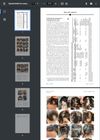
March 2023 in “JAAD case reports” This study describes three cases where patients with recalcitrant alopecia areata achieved complete hair regrowth on the scalp after treatment with upadacitinib, suggesting it may be beneficial for similar cases, especially those with comorbid atopic dermatitis.
 May 2023 in “Clinical and Experimental Dermatology”
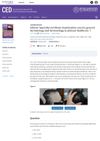
 Alopecia areata has a high chance of persisting and relapsing, with a significant risk of total hair loss, especially if it starts in childhood.
 20 citations
,
September 2018 in “Journal of cutaneous pathology”
20 citations
,
September 2018 in “Journal of cutaneous pathology” This study found that adnexal acantholysis does not reliably distinguish pemphigus vulgaris from pemphigus foliaceus, but the level of acantholysis and degree of dyskeratosis serve as distinguishing features among acantholytic disorders.
 December 2015 in “Journal of Psoriasis and Psoriatic Arthritis”
 This case report describes a rare instance of prolonged alopecia following acitretin therapy where the patient's hair did not significantly regrow more than six months after stopping treatment.
7 citations
,
March 2023 in “JEADV. Journal of the European Academy of Dermatology and Venereology/Journal of the European Academy of Dermatology and Venereology” This letter discusses the potential of the Janus kinase 1 inhibitor abrocitinib for treating oral lichen planus but provides no new research findings.
April 2016 in “The journal of investigative dermatology/Journal of investigative dermatology” This study demonstrated that the Alopecia Areata Disease Activity Index (ALADIN), a new biomarker, strongly correlates with treatment response in patients using JAK inhibitors for alopecia areata.
 12 citations
,
May 2017 in “Journal of Dermatological Treatment”
12 citations
,
May 2017 in “Journal of Dermatological Treatment” This study found that in adults over 25, stress from lifestyle changes, sensitive skin, stopping oral contraceptives, and the use of full-coverage foundations were associated with increased severity of acne.
 1 citations
,
April 2019 in “The journal of investigative dermatology/Journal of investigative dermatology”
1 citations
,
April 2019 in “The journal of investigative dermatology/Journal of investigative dermatology” This study found that anagen stage protein homogenates and specific epitopes from melanogenesis proteins activated CD8 T cells, suggesting alopecia areata is an anagen-specific disease.
 1 citations
,
August 2021 in “Journal of The American Academy of Dermatology”
1 citations
,
August 2021 in “Journal of The American Academy of Dermatology” In this study, baricitinib treatment led to significant regrowth of scalp, eyebrow, and eyelash hair in alopecia areata patients compared to placebo, with higher effectiveness seen at the 4-mg dose.
 September 2025 in “Tạp chí Da liễu học Việt Nam”
 This study found that both 2.5 mg/mL and 5 mg/mL concentrations of intralesional triamcinolone acetonide are effective for treating patchy alopecia areata, but the higher concentration promoted greater hair regrowth and density with more side effects.
 December 2023 in “Acupuncture in Medicine”
 Acupuncture might help with hair loss from androgenetic alopecia, as shown in two cases.
July 2024 in “Journal of Investigative Dermatology” The Fas/FasL pathway may play a role in alopecia areata.
86 citations
,
December 2002 in “Tissue Antigens” In this study, researchers found that the AIRE G961C variant is a significant risk factor for severe alopecia areata and early-onset cases, particularly in patients with alopecia universalis.
 10 citations
,
August 2011 in “Clinics”
10 citations
,
August 2011 in “Clinics” This article presents a dissenting opinion, arguing that the case described by Dr. Molina et al. was diffuse alopecia areata, not acute alopecia areata as claimed, emphasizing the importance of distinct clinical differences.
 4 citations
,
January 2022 in “Drug design, development and therapy”
4 citations
,
January 2022 in “Drug design, development and therapy” This study demonstrated that intramuscular corticosteroids were effective for severe alopecia areata, with significant hair regrowth in 80.2% of patients, though a high relapse rate was noted post-treatment. Nail involvement and disease duration over six months negatively impacted outcomes.
 January 2026 in “Dermatology Practical & Conceptual”
 In a systematic review and meta-analysis, the researchers found that intralesional triamcinolone acetonide was more effective than cryotherapy for achieving significant hair regrowth in patients with patchy alopecia areata, although both treatments had distinct safety profiles.