 32 citations
,
May 2012 in “PloS one”
32 citations
,
May 2012 in “PloS one” This study found that despite the persistence of aberrant double-negative T-cells, functional immune-competence was maintained after thymic transplantation in a patient with a rare FOXN1 mutation.
8 citations
,
August 2025 in “Journal of Translational Medicine” This comprehensive review suggests that CD44 signaling plays a significant role in post-natal skin wound healing and scar formation, with potential for therapeutic approaches targeting CD44 to shift from fibrotic scarring towards regenerative healing, including wound regeneration and hair neogenesis.
October 2021 in “European journal of cancer” This case report describes a rare coexistence of primary subcutaneous panniculitis-like T-cell lymphoma and lupus panniculitis in a 20-year-old Moroccan woman, highlighting the importance of repeated biopsies for accurate diagnosis in resistant cases.
 69 citations
,
January 2013 in “Frontiers in Immunology”
69 citations
,
January 2013 in “Frontiers in Immunology” This review summarizes existing knowledge on the role of FOXN1 as a key regulator of thymic epithelial cell lineage and function, reporting no new experimental results.
14 citations
,
August 2004 in “Veterinary Dermatology” In this study, a thoroughbred mare exhibited a unique case of alopecia areata with lymphocytic infiltration at both the bulbar and isthmic levels of hair follicles.
4 citations
,
September 2011 in “Journal of the American Academy of Dermatology” This case report describes a 46-year-old man who developed folliculotropic mycosis fungoides, a form of post-transplant lymphoproliferative disorder, following renal transplantation.
5 citations
,
May 2023 in “Frontiers in Immunology” This review provides an overview of how advancing imaging technologies, such as tissue clearing and intravital microscopy, are enhancing our understanding of tumor architecture and interactions between cancer cells and the tumor microenvironment, aiding both fundamental cancer research and the development of therapies.
 8 citations
,
August 2009 in “Pediatric transplantation”
8 citations
,
August 2009 in “Pediatric transplantation” This report presents a case where a patient with Omenn syndrome, complicated by cytomegalovirus infection, was successfully treated using reduced intensity conditioning allogeneic HSCT from a sibling donor.
 10 citations
,
April 2013 in “Veterinary dermatology”
10 citations
,
April 2013 in “Veterinary dermatology” In this study, four dogs with a novel skin disease showed clinical lesions involving verrucous, crusted papules and plaques, and responded variably to immunosuppressive therapy, suggesting an immune-mediated cause.
 9 citations
,
October 2021 in “Biological and Pharmaceutical Bulletin”
9 citations
,
October 2021 in “Biological and Pharmaceutical Bulletin” This study found that mupirocin nanoparticle-loaded hydrogel was safe and more effective for healing burn wounds in rats compared to mupirocin ointment, showing promise for future clinical trials.
 April 2012 in “Informa Healthcare eBooks”
 Lichen planopilaris is a rare, chronic condition causing hair loss, mainly in middle-aged women, and early treatment is important to prevent permanent baldness.
 64 citations
,
August 2014 in “The journal of allergy and clinical immunology/Journal of allergy and clinical immunology/The journal of allergy and clinical immunology”
64 citations
,
August 2014 in “The journal of allergy and clinical immunology/Journal of allergy and clinical immunology/The journal of allergy and clinical immunology” This study found that biallelic mutations in the TTC7A gene affect lymphocyte and gut epithelial cell function, thereby contributing to the development of inflammatory bowel disease in patients.
 34 citations
,
July 2020 in “Frontiers in immunology”
34 citations
,
July 2020 in “Frontiers in immunology” This mini-review discusses the role of androgens, specifically testosterone and dihydrotestosterone, in the pathogenesis of autoimmune liver diseases and reports no new results.

This study found that γδ T cells play a role in regulating stromal behavior, influencing the composition and vascularity of fibrotic tissues during the foreign body response.
 278 citations
,
March 2013 in “Gut”
278 citations
,
March 2013 in “Gut” In this study, nearly 5% of anti-TNF-treated patients with IBD developed psoriasiform skin lesions, with smoking identified as a main risk factor, and ustekinumab proved highly effective in severe cases.
 18 citations
,
May 2018 in “International Journal of Molecular Sciences”
18 citations
,
May 2018 in “International Journal of Molecular Sciences” In this study, adipose-derived stem cells from superficial adipose tissue showed higher regenerative potential, and more macrophages were found in superficial than deep adipose tissue, potentially influenced by skin microbiota.
 14 citations
,
September 2016 in “Journal of Cutaneous Pathology”
14 citations
,
September 2016 in “Journal of Cutaneous Pathology” This review discusses the classification and diagnosis of primary scalp alopecia, focusing on scarring and non-scarring types, and reports no new clinical results; it emphasizes simplified diagnostic pathways and tissue processing techniques.
 11 citations
,
March 2014 in “Journal of Investigative Dermatology”
11 citations
,
March 2014 in “Journal of Investigative Dermatology” In this study, basal cell carcinoma developed in Ptch-deficient mice only after chemical treatment, not skin wounding, suggesting a second unknown event is necessary for tumor formation.
 7 citations
,
August 2022 in “Nature communications”
7 citations
,
August 2022 in “Nature communications” This study found that Thy1+ keratinocytes in the basal layer of the interfollicular epidermis play a crucial role in epidermal homeostasis and wound repair, with their ablation impairing these processes.
 7 citations
,
January 2013 in “The journal of investigative dermatology/Journal of investigative dermatology”
7 citations
,
January 2013 in “The journal of investigative dermatology/Journal of investigative dermatology” This study found that thymus transplantation in athymic mice resulted in T-cell-driven hair follicle depigmentation and loss, without multiorgan autoimmune disease, highlighting mechanisms of tissue-specific tolerance.
This study suggests that using cell-free dexamethasone-primed stem cell media may offer a promising alternative treatment for systemic lupus erythematosus, showing immunomodulatory benefits and therapeutic efficacy in reducing various complications.
 December 2023 in “bioRxiv (Cold Spring Harbor Laboratory)”
 This study observed that extracellular matrix scaffold membranes performed less effectively in wound healing for aged mice compared to younger ones, with senescent SPP1+ macrophages potentially hindering epidermal and fibroblast repair abilities.
 7 citations
,
January 2018 in “Neurodegenerative Diseases”
7 citations
,
January 2018 in “Neurodegenerative Diseases” This study identified a new clinical variant of adult adrenomyeloneuropathy characterized by hypoplasia and agenesis of the corpus callosum, associated with a novel ABCD1 gene mutation.
In an outpatient cardiology center, this study found that introducing the AHA/ACC ABI screening protocol significantly increased the frequency of ABI ordering by 31.6% for symptomatic patients.
April 2024 in “Institutional Repositories DataBase (IRDB)” This study identified 11 previously unreported ABCA12 variants associated with varying severities of autosomal recessive congenital ichthyoses and expanded the phenotype spectrum of ichthyosis linked to these variants.
July 2025 in “Journal of Investigative Dermatology” DACC-based dressings are more effective than silver-based ones for treating chronic wounds with antimicrobial resistance.
 6 citations
,
June 2008 in “Journal of the European Academy of Dermatology and Venereology”
6 citations
,
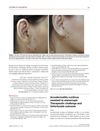
June 2008 in “Journal of the European Academy of Dermatology and Venereology” This paper discusses a case of acrodermatitis continua that was resistant to treatment with etanercept, highlighting the therapeutic challenges faced, but reports no new research results.
 May 2026 in “BMC Medicine”
 This study found that ACOD1 deficiency in dermal papilla cells promotes mitochondrial dysfunction and contributes to cellular senescence in androgenetic alopecia, suggesting ACOD1 as a potential therapeutic target and 4-octyl itaconate as a promising treatment option for AGA.
1 citations
,
December 2021 This study concluded that cutaneous lymphocytosis in cats appears to have a reactive nature with prolonged survival, while in dogs, it is more variable with clonality differences and treatment response.
1 citations
,
April 2025 in “Skin Health and Disease” This study is collecting real-world data to evaluate abrocitinib and conventional systemic treatments in moderate-to-severe atopic dermatitis across five European registers over a three-year period.