 May 2023 in “Jurnal farmasi sains dan praktis”
 In this research on cinnamon and virgin coconut oil hair tonics, F2 and F3 demonstrated stable physical properties and mild irritation potential, while formula 1 remained non-irritating but less stable regarding pH and viscosity.
 6 citations
,
February 2021 in “Journal of Ovarian Research”
6 citations
,
February 2021 in “Journal of Ovarian Research” In this study, 150 kHz electromagnetic radiation reduced the number and size of follicular cysts in a rat model of polycystic ovary syndrome without causing significant morphological damage to developing follicles.
 September 2024 in “Journal of Cosmetic Dermatology”
 In this study, researchers found that Ectoin, derived from halophilic bacteria, can mitigate stress-related skin damage by reducing cortisone's inhibitory effects on essential skin proteins and decreasing UVB-induced glucocorticoid activity, highlighting its potential as a preventative agent for stress-induced skin issues.
53 citations
,
May 1988 in “Journal of Molecular Evolution” 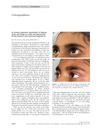 14 citations
,
November 2009 in “Clinical and experimental dermatology”
14 citations
,
November 2009 in “Clinical and experimental dermatology” This article presents a case report of a child with coexisting alopecia areata and vitiligo showing improvement with topical prostaglandin E2 treatment, without reporting new clinical results.
20 citations
,
May 2023 in “Cancer Nanotechnology” The researchers reported that their novel formulation of pterostilbene-loaded ethoniosomes with folic acid coating effectively targeted lung cancer cells in vitro and demonstrated promising results in animal models, indicating potential for future targeted chemotherapy applications.
April 2021 in “Journal of Investigative Dermatology” Early-stage skin substitutes improve wound healing and skin structure.
8 citations
,
July 1986 in “International Journal of Dermatology” This article discusses eruptive vellus hair cysts, detailing their appearance, distribution, histology, and potential spontaneous resolution, but reports no new clinical findings on treatment.
 January 2016 in “Hair transplant forum international”
 This article is an abstract header with author credentials and reports no study findings.
 October 1997 in “Dermatologic Surgery”
 The Epilight Hair Removal System is effective for temporary hair removal with few side effects, but more research is needed to confirm its safety and long-term results.
February 2009 in “Journal of the American Academy of Dermatology” Both skin products were equally effective in improving facial discoloration and skin quality.
 August 2019 in “Regenerative Medicine”
 In June 2019, the stem cell research field saw major progress, including new clinical trials, FDA approvals, and industry collaborations.
182 citations
,
January 2000 in “Drug Development Research” This study found that ethosomal carriers enhanced dermal and transdermal drug delivery more effectively than classic liposomes, improving delivery to deep skin layers and showing potential for treating conditions like herpes labialis and diabetes.
 4 citations
,
January 2022 in “Journal of Bioscience and Bioengineering”
4 citations
,
January 2022 in “Journal of Bioscience and Bioengineering” This study demonstrated that electrical stimulation via a polypyrrole-modified electrode enhanced trichogenic gene expression in human dermal papilla cells, leading to increased hair growth in a mouse model.
12 citations
,
July 2011 in “Experimental Dermatology” This study found that mEGF ethosomal delivery systems mainly penetrated mice skin through the pilosebaceous unit and successfully induced hair follicles to transition from the telogen to anagen phase.
 April 2026 in “Dermatology and Therapy”
 The device improved hair growth and thickness in men without side effects.
 June 2023 in “British Journal of Dermatology”
 This pilot study found that night shift workers showed fewer signs of wrinkle formation compared to day workers, but there were no significant differences in DNA amplification or collagen percentage.
May 2023 in “Journal of Drugs in Dermatology” This study reported that the novel topical serum REVIVV®, containing a blend of phytochemicals, significantly improved hair growth and reduced shedding in 150 participants with androgenetic alopecia after 8 weeks of use, while also being rated easy to use and prompting plans for continued use.
9 citations
,
August 2021 in “Biomedicines” This study found that 17β-estradiol was the most powerful hormone for inducing APE1/Ref-1 secretion in cultured vascular endothelial cells, with secretion occurring through exosomes dependent on estrogen receptors and intracellular calcium.
65 citations
,
October 2015 in “Acta Biomaterialia” This study found that using a pH-sensitive layered double hydroxide nanocarrier to deliver etoposide significantly reduced liver toxicity and enhanced the drug’s effectiveness in targeting and suppressing non-small cell lung cancer.
4 citations
,
January 2013 in “Genetics and Molecular Research” This study found that VEGF expression and microvessel density in hair follicles of Liaoning cashmere goats follow a bimodal pattern correlated with hair development throughout the year.
2 citations
,
January 2009 This article reviews the development of a topical hair growth agent using natural extracts and reports no new clinical results, emphasizing the need for further evaluation of its efficacy.
February 2024 in “Frontiers in Cell and Developmental Biology” This study found that eribulin-based chemotherapy resulted in longer median progression-free and overall survival, with fewer side effects, for advanced triple-negative breast cancer patients compared to other chemotherapy options.
 1 citations
,
June 2019 in “Current developments in nutrition”
1 citations
,
June 2019 in “Current developments in nutrition” This case study reports that pancreatic enzyme replacement and fatty acid supplementation improved symptoms of fat malabsorption and essential fatty acid deficiency in a patient with EDS-4.
 91 citations
,
July 2010 in “Tissue Engineering Part A”
91 citations
,
July 2010 in “Tissue Engineering Part A” This study found that low oxygen conditions and ECM degradation products increased the proliferation and migration of perivascular stem cells without altering their phenotype, suggesting potential roles in tissue repair.
 June 2026 in “International Journal of Drug Delivery Technology”
 This study developed EGCG-loaded nanohydrogels using ethyl cellulose and polyvinyl alcohol to enhance the stability and delivery of the hydrophilic drug in aloe vera gel, optimizing encapsulation efficiency and drug release properties.
July 2025 in “Burns & Trauma” In this study, researchers developed a new SFL-3D system to produce extracellular vesicles from rejuvenated dermal papilla cell spheroids, which demonstrated significant antifibrotic effects in reducing hypertrophic scarring, highlighting their potential for precision-targeted scar management.
51 citations
,
August 2013 in “The Journal of experimental medicine/The journal of experimental medicine” This study found that Wnt secretion is important for maintaining skin homeostasis in mice, as Evi-deficient mice developed psoriasis-like skin lesions and had an imbalance in immune cell populations.
March 2019 in “Reactions Weekly” 37 citations
,
June 2019 in “Stem cells” This study found that extracellular vesicles from stimulated human dermal fibroblasts enhanced hair follicle growth ex vivo by activating dermal papilla cells and involving the Norrin and β-catenin pathways.