 21 citations
,
January 2022 in “Biomaterials Science”
21 citations
,
January 2022 in “Biomaterials Science” This article reviews CRISPR/Cas system delivery methods for genome editing and highlights RNA's promise in non-viral in vivo applications but reports no new clinical results.
 18 citations
,
December 2021 in “Journal of Nanobiotechnology”
18 citations
,
December 2021 in “Journal of Nanobiotechnology” This study found that nanofibers combining a polydopamine coating and curcumin nanocrystals were effective in treating diabetic wounds infected with methicillin-resistant Staphylococcus aureus by providing sequential photothermal antibacterial action and promoting M2 macrophage polarization, which accelerated wound healing through enhanced angiogenesis and cell proliferation.
18 citations
,
April 2016 in “The journal of immunology/The Journal of immunology” This study found that mesenchymal cells from different organs exhibit substantial heterogeneity, with thymic mesenchymal cells particularly adapted for interacting with epithelial and hematolymphoid cells in high-apoptosis environments.
6 citations
,
July 2025 in “Advanced Materials” This review discusses cell membrane-coated scaffolds in tissue engineering, emphasizing their potential to enhance therapeutic outcomes in regenerative medicine and reporting no new experimental results.
1 citations
,
June 2023 in “Turkish Journal of Surgery” This case report described a rare combination of synchronous gallbladder and pancreatic cancers with an unusual initial symptom of complete loss of facial and scalp hair, marking a unique presentation never previously documented for abdominal malignancies in medical literature.
May 2026 in “Pharmacy Reports” This systematic review found that while green solvent- and natural excipient-based semisolid formulations often show promising efficacy and safety compared to conventional options, the evidence does not currently establish superior stability, highlighting a need for further research on long-term formulation quality.
49 citations
,
September 2016 in “Genes Brain & Behavior” In this study, a deficiency in the zinc finger protein Zfp462 in mice led to anxiety-like behaviors and excessive self-grooming, providing a new model for studying anxiety disorders.
18 citations
,
November 2016 in “Transgenic research” This study found that transgenic cashmere goats overexpressing thymosin beta-4 have a higher secondary to primary hair follicle ratio, suggesting potential for increased cashmere yield.
15 citations
,
December 2020 in “The Journal of General Physiology” This study found that acid regulation of the TRPV3 channel can inhibit its function from outside the cell while facilitating it from inside, providing insights into skin barrier and disorder mechanisms related to tissue acidosis.
 April 2025 in “Journal of Investigative Dermatology”
 This study found that elevated luteinizing hormone levels were significantly associated with female pattern hair loss, and implicated LH/LHR signaling in the aging and damage of hair follicles.
May 2020 in “Authorea (Authorea)” This review discusses the diverse functions and therapeutic potential of ectopic olfactory receptors throughout the body, emphasizing their roles in various cellular processes and potential in cancer detection and therapy, but reports no new clinical results.
71 citations
,
March 2016 in “PubMed” This study found that sub-100 nm solid lipid nanoparticles showed the most effective skin penetration and depth, primarily via hair follicles, in rat skin evaluations.
25 citations
,
January 2024 in “International Journal of Nanomedicine” The hydrogel is safe, reduces oxidation, and helps heal wounds effectively.
2 citations
,
October 2025 in “Frontiers in Medicine” This study identified several previously unrecognized adverse events linked to ISO, including serious conditions such as Dandy-Walker syndrome and suicidal ideation, suggesting that safety measures and drug labeling should be updated.
 2 citations
,
November 2022 in “Frontiers in Pharmacology”
2 citations
,
November 2022 in “Frontiers in Pharmacology” This study systematically documented the ethnobotanical and ethnomedicinal knowledge from traditional healers in Addis Ababa, identifying 81 medicinal plants, including the endangered Echinops kebericho, used primarily for treating skin and general diseases.
 1 citations
,
February 2021 in “Biodiversitas”
1 citations
,
February 2021 in “Biodiversitas” This study found that among ten Curcuma aeruginosa accessions, the MD accession showed the highest anticancer activity against MCF-7 cells, suggesting its potential for pharmaceutical development.
 269 citations
,
August 2002 in “Journal of The American Academy of Dermatology”
269 citations
,
August 2002 in “Journal of The American Academy of Dermatology” This study found that 5% topical minoxidil significantly increased hair regrowth and improved psychosocial perceptions of hair loss in men with androgenetic alopecia compared to 2% topical minoxidil and placebo over 48 weeks.
 219 citations
,
March 2004 in “Journal of The American Academy of Dermatology”
219 citations
,
March 2004 in “Journal of The American Academy of Dermatology” In this 48-week trial, 5% topical minoxidil was more effective than both 2% minoxidil and placebo in promoting hair growth in women with female pattern hair loss, with notable improvements in nonvellus hair count and hair growth assessments.
164 citations
,
December 1984 in “Proceedings of the National Academy of Sciences” This study found that TCDD significantly reduced EGF receptor binding in various animal models, linked to toxic symptoms like weight loss and developmental delays, with receptor phosphorylation persisting several days.
138 citations
,
April 2003 in “Carcinogenesis” This study found that 2-methoxyestradiol induces apoptosis in human prostate cancer cells by activating p53 through a pathway dependent on p38/JNK-mediated NFkappaB/AP-1 activation, with JNK-dependent Bcl-2 phosphorylation also playing a critical role.
 111 citations
,
August 2002 in “Journal of Medicinal Chemistry”
111 citations
,
August 2002 in “Journal of Medicinal Chemistry” This study reports that 2-(1-Adamantyl)-4H-thiochromen-4-on-6-O-sulfamate is the most potent steroid sulfatase inhibitor identified so far, exhibiting 170-fold higher activity than the lead compound estrone sulfamate.
 100 citations
,
June 2011 in “Journal of The American Academy of Dermatology”
100 citations
,
June 2011 in “Journal of The American Academy of Dermatology” This study found that a once-daily 5% minoxidil topical foam is as effective as a twice-daily 2% minoxidil topical solution for hair growth in women with androgenetic alopecia, with fewer side effects and greater styling convenience.
 86 citations
,
August 2011 in “Toxicological sciences”
86 citations
,
August 2011 in “Toxicological sciences” In this study, researchers found that TCDD exposure accelerated differentiation and altered gene expression in human epidermal cells, indicating the epidermal barrier as a target of TCDD-activated AHR.
60 citations
,
December 1988 in “Journal of Biochemical Toxicology” In this study, TCDD administered to male rats down-regulated EGF receptor in liver plasma membranes and increased protein kinase activity, suggesting EGF receptor–mediated toxicological effects.
45 citations
,
March 1997 in “Journal of Investigative Dermatology” TCDD changes skin gene expression and may harm skin health.
44 citations
,
October 2016 in “Epilepsia” This study demonstrated that the glycolytic inhibitor 2-deoxy-D-glucose enhances antiseizure effects by potentiating extrasynaptic tonic GABAergic inhibition through neurosteroidogenesis in hippocampal slices.
43 citations
,
January 2016 in “Oxidative medicine and cellular longevity” This review discusses the biological effects and mechanisms of THSG in antiaging and related disease treatments but reports no new experimental findings.
 37 citations
,
September 2003 in “Journal of Medicinal Chemistry”
37 citations
,
September 2003 in “Journal of Medicinal Chemistry” This study found that compound 2g inhibits steroid sulfatase effectively without exhibiting estrogenic activity, making it a promising candidate for breast cancer treatment.
26 citations
,
January 1987 in “Dermatology” This study reported that topical 2% minoxidil solution improved hair growth compared to placebo in men with early male-pattern baldness over 24 weeks, with no significant safety issues observed.
 24 citations
,
April 2011 in “Journal of Chemical & Engineering Data”
24 citations
,
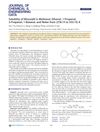
April 2011 in “Journal of Chemical & Engineering Data” This study measured the solubility of minoxidil in various solvents, finding the highest solubility in methanol and lowest in water, with solubility correlating to temperature.