 58 citations
,
July 1986 in “Journal of The American Academy of Dermatology”
58 citations
,
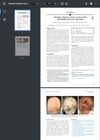
July 1986 in “Journal of The American Academy of Dermatology” Lowest effective minoxidil concentration is 1%, but 2% works better for male pattern baldness.
 25 citations
,
May 1986 in “The American Journal of the Medical Sciences”
25 citations
,
May 1986 in “The American Journal of the Medical Sciences” In this study, 53% of patients with male pattern baldness experienced significant hair growth with one year of topical minoxidil, while 95% rated its effectiveness as moderate or excellent.
 18 citations
,
April 1986 in “International Journal of Cosmetic Science”
18 citations
,
April 1986 in “International Journal of Cosmetic Science” In this study with stumptailed macaques, topical minoxidil successfully induced hair regrowth on bald scalps and prevented baldness on non-bald scalps, with no observed side effects over nearly three years.
 54 citations
,
February 1986 in “Archives of Dermatology”
54 citations
,
February 1986 in “Archives of Dermatology” This study found that 5% topical minoxidil solution led to greater hair regrowth in severe alopecia areata patients compared to 1% minoxidil, although most regrowth was not cosmetically acceptable.
 16 citations
,
January 1986 in “Dermatology”
16 citations
,
January 1986 in “Dermatology” In this study, 1% minoxidil lotion led to good results in 18% of male patients with androgenetic alopecia, but only 6% maintained regrowth one year after stopping treatment.
 19 citations
,
December 1985 in “Journal of The American Academy of Dermatology”
19 citations
,
December 1985 in “Journal of The American Academy of Dermatology” Minoxidil can cause scalp comedones and acne.
 34 citations
,
September 1985 in “Contact Dermatitis”
34 citations
,
September 1985 in “Contact Dermatitis” Minoxidil can cause skin irritation like eczema and rash in some users.
 138 citations
,
August 1985 in “Journal of The American Academy of Dermatology”
138 citations
,
August 1985 in “Journal of The American Academy of Dermatology” Minoxidil promotes hair growth in male pattern baldness.
 29 citations
,
August 1985 in “Contact Dermatitis”
29 citations
,
August 1985 in “Contact Dermatitis” Minoxidil can cause allergic reactions like burning, itching, and red bumps.
17 citations
,
March 1985 in “Acta Dermato Venereologica” This study found that 1% topical minoxidil led to an increase in terminal hair growth in some individuals with alopecia areata, but only one case showed cosmetically satisfying results.
 9 citations
,
March 1985 in “Head & Neck Surgery”
9 citations
,
March 1985 in “Head & Neck Surgery” This review discusses potential causes of androgenic alopecia and explores treatment options, but provides no new clinical results; it emphasizes considering androgen overproduction syndromes in female patients.
 26 citations
,
March 1985 in “International Journal of Dermatology”
26 citations
,
March 1985 in “International Journal of Dermatology” Minoxidil helps hair growth, but results vary.
 17 citations
,
March 1985 in “Journal of The American Academy of Dermatology”
17 citations
,
March 1985 in “Journal of The American Academy of Dermatology” Minoxidil can lower blood pressure in some people.
 20 citations
,
February 1985 in “Archives of Dermatology”
20 citations
,
February 1985 in “Archives of Dermatology” This report discusses the potential of minoxidil for treating hair loss, spurred by early findings of hair regrowth in some patients, but emphasizes the need for further research to establish its safety and efficacy.
 55 citations
,
February 1985 in “Archives of Dermatology”
55 citations
,
February 1985 in “Archives of Dermatology” In this randomized trial, topical minoxidil treatment resulted in cosmetically acceptable hair growth in 32% of men with hereditary male pattern baldness, with no serious side effects reported.
 52 citations
,
February 1985 in “Archives of Dermatology”
52 citations
,
February 1985 in “Archives of Dermatology” Minoxidil absorbs poorly through skin, with low risk of side effects at 1-2% concentration.
 122 citations
,
November 1984 in “Journal of the American Academy of Dermatology”
122 citations
,
November 1984 in “Journal of the American Academy of Dermatology” This review discusses the potential autoimmune pathogenesis and various contributing factors of alopecia areata, noting that current treatments remain palliative while emerging therapies offer new hope for extensive cases.
 80 citations
,
September 1984 in “Journal of The American Academy of Dermatology”
80 citations
,
September 1984 in “Journal of The American Academy of Dermatology” In this study, 5% topical minoxidil was observed to promote hair regrowth in some patients with androgenic alopecia, while no regrowth was noted in patients with alopecia areata.
 137 citations
,
May 1984 in “Journal of Investigative Dermatology”
137 citations
,
May 1984 in “Journal of Investigative Dermatology” Minoxidil increases blood flow in balding scalps, possibly reversing hair loss.
 78 citations
,
April 1984 in “Archives of Dermatology”
78 citations
,
April 1984 in “Archives of Dermatology” This study found that 1% minoxidil topical solution led to terminal hair regrowth in some patients with alopecia areata, though it was only cosmetically acceptable in less than half of those cases.
 18 citations
,
March 1984 in “BMJ”
18 citations
,
March 1984 in “BMJ” Minoxidil helps hair regrowth in alopecia, but more research needed.
 63 citations
,
January 1984 in “Journal of Investigative Dermatology”
63 citations
,
January 1984 in “Journal of Investigative Dermatology” Minoxidil promotes hair growth by increasing cell division and DNA synthesis.
 72 citations
,
December 1983 in “Journal of Investigative Dermatology”
72 citations
,
December 1983 in “Journal of Investigative Dermatology” Minoxidil helps hair cells live longer and grow longer.
 80 citations
,
October 1983 in “BMJ”
80 citations
,
October 1983 in “BMJ” This study found that 1% topical minoxidil induced significant hair regrowth in patients with alopecia areata, though it was less effective for those with extensive hair loss such as alopecia totalis and universalis.
 6 citations
,
March 1982 in “Clinical and Experimental Dermatology”
6 citations
,
March 1982 in “Clinical and Experimental Dermatology” This article discusses primary cutaneous virilism, focusing on alopecia in women with androgen-dependent skin conditions, and reports no new findings.
 96 citations
,
October 1981 in “Drugs”
96 citations
,
October 1981 in “Drugs” Minoxidil effectively treats severe hypertension but may cause side effects, so careful monitoring is needed.
 56 citations
,
August 1981 in “Journal of The American Academy of Dermatology”
56 citations
,
August 1981 in “Journal of The American Academy of Dermatology” Minoxidil helps hair regrowth in alopecia areata safely.
 95 citations
,
December 1980 in “The New England Journal of Medicine”
95 citations
,
December 1980 in “The New England Journal of Medicine” Minoxidil helped bald patient regrow hair.