 1 citations
,
September 2024 in “Acta Scientiarum Polonorum Hortorum Cultus”
1 citations
,
September 2024 in “Acta Scientiarum Polonorum Hortorum Cultus” This study found that spraying melon plants with 0.1 mg·L–1 molybdenum significantly improved growth, photosynthetic characteristics, carbohydrate metabolism, and fruit quality under high-temperature stress, boosting fruit weight by 27.9% and yield per plant by 20.1% compared to untreated controls.
 1 citations
,
March 2024 in “International Journal of experimental research and review”
1 citations
,
March 2024 in “International Journal of experimental research and review” This study observed that 77% of nurses working in selected Indian tertiary care hospitals have negative attitudes towards mental illness, with no significant association found between these attitudes and nurses' background variables.
 1 citations
,
March 2022 in “bioRxiv (Cold Spring Harbor Laboratory)”
1 citations
,
March 2022 in “bioRxiv (Cold Spring Harbor Laboratory)” This study examined wool traits in Angora rabbits using low-coverage whole genome sequencing, identifying six QTLs and a gene, FGF10, linked to fiber growth and diameter, suggesting a cost-effective approach for complex trait analysis in genomic breeding.
 February 2026 in “Frontiers in Pharmacology”
 This review suggests a shift toward genetically informed treatments for male pattern hair loss by integrating genetic insights and pharmacogenetic markers into therapeutic decision-making.
 February 2024 in “Journal of Education, Health and Sport”
 This review discusses the regenerative properties of exosomes and their potential clinical applications in regenerative medicine, highlighting their role in restoring health and vitality.
6 citations
,
December 2021 in “Journal of Clinical Medicine” This study introduced the Lichen Planus Activity and Damage Index (LiPADI), which effectively assesses the severity and progression of lichen planus, aligning well with other clinical indicators.
79 citations
,
June 1991 in “Journal of Medical Genetics” This article discusses the classification of mental retardation based on IQ ranges and provides no new experimental findings.
18 citations
,
September 2024 in “Journal of the European Academy of Dermatology and Venereology” This review found that the DLQI is widely used as a benchmark in the development and validation of dermatology quality-of-life measures.
36 citations
,
March 2014 in “Annals of the Rheumatic Diseases” This study found that activating liver X receptors with an agonist reduced skin fibrosis in experimental models, particularly in inflammation-driven conditions, by inhibiting macrophage infiltration and interleukin-6 release.
 1 citations
,
April 2016 in “Journal of The American Academy of Dermatology”
1 citations
,
April 2016 in “Journal of The American Academy of Dermatology” Ixekizumab helps improve life quality, physical ability, and work performance in patients with psoriatic arthritis who haven't used biologic drugs before.
13 citations
,
April 2021 in “Value in Health” This review categorizes 59 modifications of the Dermatology Life Quality Index across multiple studies, highlighting the need for further validation of these customized health-related quality of life tools in dermatology.
41 citations
,
January 2022 in “Clinical Immunology” Females are more prone to lupus and arthritis due to X chromosome factors.
 1 citations
,
October 2021 in “Prilozi - Makedonska akademija na naukite i umetnostite. Oddelenie za medicinski nauki”
1 citations
,
October 2021 in “Prilozi - Makedonska akademija na naukite i umetnostite. Oddelenie za medicinski nauki” This study found that among women with PCOS, 23% exhibited impaired glucose tolerance and 9% had type 2 diabetes, with age, BMI, and SHBG being key predictors of these glucose abnormalities.
This study involved using smartphone applications and low-cost trichoscopy devices to assess various hair and scalp conditions, with diagnoses confirmed through detailed imaging during remote consultations and in-person evaluations.
 December 2013 in “Praxis medica”
 In this study, a strong correlation was found between the scores of two dermatology-specific quality of life instruments, DLQI and Skindex-16, suggesting they can provide complementary insights for assessing patients with skin diseases.
22 citations
,
August 2020 in “Health and Quality of Life Outcomes” In this study, the DLQI demonstrated reliable psychometric properties and a unidimensional structure for assessing health-related quality of life in Brazilian patients with various skin conditions.
8 citations
,
November 2024 in “Acta Dermato Venereologica” This review summarizes existing validation research on the Dermatology Life Quality Index (DLQI), highlighting its reliability and responsiveness while identifying the need for further validation regarding racial and ethnic inclusivity.
 January 2023 in “Journal of The American Academy of Dermatology”
 This study examined medical comorbidities and medications among women with vulvar lichen sclerosus, contributing insights for comprehensive treatment strategies, but does not report new clinical results.
2 citations
,
December 2013 in “Journal of dermatology” This letter reports a homozygous missense mutation in the LIPH gene causing autosomal recessive hypotrichosis simplex in a Chinese patient.

In this case study, an 80-year-old woman developed lichen planus pigmentosus inversus after receiving multiple intra-articular injections of a homeopathic preparation, suggesting a possible link, though causality remains speculative.
 January 2024 in “Advances in Dermatology and Allergology”
 This abstract highlights the prevalence of androgenetic alopecia in men and young adults and mentions the psychological impact, noting that while various therapies exist, clear treatment algorithms are lacking according to this source.
247 citations
,
June 2021 in “Frontiers in Cell and Developmental Biology” This review discusses the role of lncRNA Xist in cell growth regulation and disease development, particularly cancer, and reports no new experimental results.
October 2025 in “Our Dermatology Online” This study suggests that combining tranexamic acid with low-dose oral retinoids may offer moderate to good improvements for lichen plan pigmentosus, although larger trials are needed for confirmation.
 January 2026 in “Zenodo (CERN European Organization for Nuclear Research)”
 This study reports the discovery of LX-38, a novel non-steroidal drug candidate that may offer safer treatment for conditions like Benign Prostatic Hyperplasia by avoiding hormonal side effects associated with current therapies.
 June 2026 in “Frontiers in Cell and Developmental Biology”
 This review synthesizes the diverse roles of the transcription factor LHX2 in development, tissue maintenance, and injury repair across various organ systems, highlighting its potential therapeutic applications and significance in regenerative medicine, particularly in developmental disorders and tissue regeneration.
 October 2014 in “Journal of the Portuguese Society of Dermatology and Venereology”
 This paper presents a therapeutic approach with excellent results in a case of lichen planopilaris overlapping with dermatomyositis and scleroderma, although broader applicability is not discussed.
44 citations
,
October 2020 in “Arthritis Care & Research” This review summarizes various indices used to assess disease activity and damage in systemic lupus erythematosus, highlighting challenges in universal consensus and their practical applications in research and clinical settings.
40 citations
,
October 2012 in “Journal of the American Academy of Dermatology” This study found that the Cutaneous Lupus Disease Area and Severity Index (CLASI) is correlated with both physician-assessed and patient-reported outcomes in cutaneous lupus erythematosus, particularly highlighting concerns about body image in visible areas.
 March 2026 in “SKIN The Journal of Cutaneous Medicine”
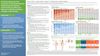
 This study demonstrated that litifilimab significantly reduced disease activity in cutaneous lupus erythematosus by Week 16, with improvements most notable in sunlight-exposed skin areas.
 October 2021 in “Journal of Investigative Dermatology”
 This study found no significant difference in SARS-CoV2 IgG seroconversion rates between patients with immune-mediated inflammatory diseases treated with targeted immune-modulating therapies and those on conventional systemic treatments.