 September 2016 in “Journal of Dermatological Science”
 This study investigated the effects of Wnt-3a, Wnt-5a, Wnt11, and Wnt-10b on the hair induction-ability of cultured dermal papilla cells.
7 citations
,
October 2022 in “Development” This study demonstrated that Wnt5a can serve as an orienting signal for mouse skin's planar cell polarity but its overexpression disrupts hair follicle orientation, which can be rescued by modifying Fzd6 levels.
 9 citations
,
January 2016 in “International Journal of Medical Sciences”
9 citations
,
January 2016 in “International Journal of Medical Sciences” This study found that Wnt10b promotes the proliferation of hair follicle stem cells and hair precortex cells, revealing them as target cells in Wnt10b-induced hair follicle regeneration.
 30 citations
,
August 2021 in “Oncogene”
30 citations
,
August 2021 in “Oncogene” This study reports that miR-22 promotes cancer progression and metastasis by maintaining Wnt/β-catenin signaling and cancer stem cell function.
 77 citations
,
July 2012 in “Journal of Investigative Dermatology”
77 citations
,
July 2012 in “Journal of Investigative Dermatology” The researchers observed that overexpression of Wnt10b in a mouse model can induce hair follicle regeneration by switching follicles from the resting phase to the growth phase via the Wnt-β-catenin signaling pathway.
 170 citations
,
July 2012 in “Journal of Investigative Dermatology”
170 citations
,
July 2012 in “Journal of Investigative Dermatology” In this study, researchers showed that Wnt ligands secreted by hair follicle epithelium are crucial for hair follicle regeneration and may be significant for treating hair disorders like alopecia.
 13 citations
,
February 2018 in “Plastic and Reconstructive Surgery”
13 citations
,
February 2018 in “Plastic and Reconstructive Surgery” The study found that a specific signaling pathway helps skin wounds heal faster but may lead to larger scars.
 April 2016 in “Journal of Investigative Dermatology”
 The authors concluded that Wnt ligands produced by hair-inducing dermal papilla cells have crucial roles in coordinating postnatal hair growth by interacting with both epithelial and mesenchymal compartments.
 September 2017 in “Journal of Investigative Dermatology”
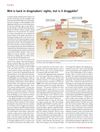
 This study found that in AGA, the risk allele at locus 2q35 alters WNT10A expression through EBF1, suggesting a potential androgen-dependent regulatory mechanism.
 10 citations
,
November 2018 in “Nature Biotechnology”
10 citations
,
November 2018 in “Nature Biotechnology” Drugmakers are optimistic about targeting the Wnt pathway for new treatments despite past challenges.
6 citations
,
January 2025 in “Differentiation” This review highlights the role of the glycoprotein WNT10A in human tissue and organ development, exploring its genetic structure, expression, and association with disorders like ectodermal dysplasia and pathological conditions such as fibrosis and cancer.
1 citations
,
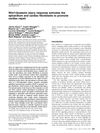
November 2020 This study found that a pro-fibrotic Wnt1/βcatenin injury response is crucial for maintaining cardiac function following acute ischaemic cardiac injury by activating the epicardium and cardiac fibroblasts.
 6 citations
,
January 2024 in “Annals of Dermatology”
6 citations
,
January 2024 in “Annals of Dermatology” In this study, treatment with recombinant DKK2 was shown to significantly stimulate hair progenitor cell growth and enhance hair shaft elongation in ex vivo human hair follicle cultures by activating the Wnt/ẞ-catenin signaling pathway, suggesting a potential role for DKK2 in promoting hair growth.
 248 citations
,
November 2011 in “The EMBO Journal”
248 citations
,
November 2011 in “The EMBO Journal” This study found that Wnt1/βcatenin signaling plays a crucial role in activating the epicardium and cardiac fibroblasts, which supports cardiac repair following acute ischemic injury.
 55 citations
,
March 2015 in “Carcinogenesis”
55 citations
,
March 2015 in “Carcinogenesis” This study found that WNT10A is significantly upregulated in human esophageal squamous cell carcinoma and is associated with enhanced tumor cell migration, invasion, and poor survival.
 112 citations
,
January 2014 in “Molecular and cellular therapies”
112 citations
,
January 2014 in “Molecular and cellular therapies” This review summarizes the current understanding of Wnt signaling in relation to its roles in tissue regeneration and cancer progression and discusses recent medical advancements targeting this pathway for therapeutic purposes.
 30 citations
,
June 2021 in “British Journal of Dermatology”
30 citations
,
June 2021 in “British Journal of Dermatology” This review discusses the association between WNT10A gene variants and various ectodermal disorders, highlighting their clinical relevance in dermatology and dentistry, but reports no new findings.
 19 citations
,
January 2013 in “International journal of medical sciences”
19 citations
,
January 2013 in “International journal of medical sciences” In this study, overexpression of Wnt5a in mice was associated with the elongation of the telogen stage and inhibition of hair growth initiation, suggesting Wnt5a's role in maintaining hair follicle quiescence.
 January 2024 in “bioRxiv (Cold Spring Harbor Laboratory)”
 In this mouse study, the absence of the Ascl4 gene did not affect the development of hair follicles, teeth, or mammary glands, suggesting it is non-essential for these processes.
2 citations
,
August 2022 in “Frontiers in Endocrinology” This study reported that myeloid-specific Wnt production did not affect wound healing or blood vessel density in mice but influenced endovascular progenitor cell kinetics during angiogenesis.
 April 2024 in “JEADV. Journal of the European Academy of Dermatology and Venereology/Journal of the European Academy of Dermatology and Venereology”
 A new change in the WNT10A gene caused a condition leading to short hair growth in a Chinese family.
January 2018 in “Zurich Open Repository and Archive (University of Zurich)”  5 citations
,
January 2016 in “Journal of Molecular Histology”
5 citations
,
January 2016 in “Journal of Molecular Histology” Both main and alternative Wnt signaling are important for regrowing rodent whisker follicles.
 91 citations
,
December 2010 in “Stem Cells”
91 citations
,
December 2010 in “Stem Cells” This study found that Wnt signaling regulates the symmetric division of adult neural stem cells, increasing their numbers during subependymal regeneration, stroke response, and colony formation.
18 citations
,
May 2011 in “Journal of Investigative Dermatology” Wnt signaling affects the development and growth of Langerhans cells in mice.
 May 2018 in “Journal of Investigative Dermatology”
 Activating Wnt in skin cells controls the number of hair follicles by directing cell movement and fate.
 April 2023 in “Advanced functional materials”
 This study created a Wnt3a protein gradient using Multiphoton Microfabrication technology, which improved hair-inductive properties in mouse and human hair dermal papilla cells, suggesting potential applications in hair regeneration research and drug screening.
96 citations
,
March 2007 in “Developmental biology” This study found that the Wnt inhibitor Dkk4 may play a role in regulating hair follicle development through a feedback loop with canonical Wnt signaling pathways.
 April 2026 in “International Journal of Molecular Sciences”
 This review synthesizes recent research on how Wnt signaling regulates skin, hair follicle, and nail regeneration, highlighting its compartment-specific roles and discussing targeted strategies for treating conditions like alopecia, chronic wounds, and skin cancer.
July 2002 in “Science Signaling” This study found that in a transgenic mouse model, a modified form of β-catenin inhibited normal hair follicle development and promoted epidermal cyst formation, revealing distinct effects on Wnt signaling.