 August 2023 in “Journal of The American Academy of Dermatology”
 In this commentary, the authors highlighted that valproic acid, unlike lamotrigine, is notably associated with alopecia in various studies, with an incidence rate up to 12% and mechanisms involving telogen effluvium and hyperandrogenism contributing to hair loss in patients.
4 citations
,
August 2024 in “International Journal of Molecular Sciences” This study found that a combination of natural compounds (escin, bromelain, ginkgo biloba, and sage miltiorrhiza) reduced platelet adhesion to activated endothelium in laboratory settings by inhibiting adhesion molecule transcription and reducing pro-inflammatory cytokines, potentially preventing initial steps of the coagulation cascade.
 1 citations
,
September 2022 in “BioNanoScience”
1 citations
,
September 2022 in “BioNanoScience” This clinical case report describes a patient with ulcerative colitis whose symptoms improved using the Janus kinase inhibitor, tofacitinib, allowing disease remission and hair regrowth.
January 2011 in “Arqueología, historia y viajes sobre el mundo medieval/Arqueología, historia y viajes sobre el mundo medieval” In this study, acute liver disease occurred in five patients, including four children, after treatment with sodium valproate, leading to the death of three patients.
September 2018 in “Practical diabetes” This review indicates that sodium valproate might benefit diabetic peripheral neuropathy patients, but evidence is limited and inconsistent, so it should be reserved for treatment-resistant cases.
 September 2017 in “Journal of Dermatology & Cosmetology”
 This study reports a case of frontal fibrosing alopecia associated with hepatitis C treatment involving interferon and ribavirin.
May 2024 in “Clinical and experimental optometry” This case report describes a rare side effect of finasteride in a young male being treated for androgenic alopecia.
11 citations
,
August 2012 in “BMJ case reports” This report describes a case of acute liver failure linked to the use of the herbal supplement Ban Tu Wan, which highlights potential risks associated with herbal medications.
October 2014 in “Reactions Weekly”  March 2024 in “Current materials science”
 This study explores the various properties of the flavonoid fisetin, highlighting its potential therapeutic applications due to its ability to modulate numerous biological pathways, suggesting benefits in conditions like inflammation, cancer, and neurodegenerative diseases.
2 citations
,
November 2025 in “Pharmacology Research & Perspectives” This study analyzed post-marketing data from the U.S. FDA Adverse Event Reporting System and identified both known and new safety concerns for Avacopan, an anti-neutrophil cytoplasmic antibodies-associated vasculitis treatment, emphasizing the need for monitoring during early treatment stages.
 13 citations
,
September 1989 in “International Journal of Dermatology”
13 citations
,
September 1989 in “International Journal of Dermatology” Carbamazepine may cause reversible nail detachment.
 January 2025 in “International Journal of Pharmacology”
 This study observed significant clinical effects, such as hair loss and testicular changes, in common quail treated with the steroids IVF-C Inj and Diane-35, especially highlighting cyproterone acetate's impact on vital organs like the liver.
12 citations
,
January 2016 in “Journal of clinical biochemistry and nutrition” In this study, combining deferasirox with sorafenib significantly reduced liver fibrosis and preneoplastic lesions in rats while also lessening adverse effects compared to sorafenib alone.
16 citations
,
April 2021 in “Biomedicines” This study found that ferulic acid promotes wound healing by inhibiting β-catenin in keratinocytes and activating Nrf2 to reduce inflammation at the wound edge.
 January 2025 in “Geneesmiddelenbulletin”
 This 104-week follow-up trial found that baricitinib is effective and safe for treating severe alopecia areata but requires continuous use to sustain hair regrowth. The drug is included in the NVDV guidelines and reimbursed by Dutch insurers for this purpose.
17 citations
,
January 2008 in “Journal of the American Academy of Dermatology” Valproic acid can cause hair loss, but information on hair color change is not detailed.
 6 citations
,
March 2014 in “Annals of Pharmacotherapy”
6 citations
,
March 2014 in “Annals of Pharmacotherapy” This case report suggests that anidulafungin may be associated with hair loss, highlighting the need for physicians to monitor this potential adverse effect.
 2 citations
,
April 2023 in “JEADV. Journal of the European Academy of Dermatology and Venereology/Journal of the European Academy of Dermatology and Venereology”
2 citations
,
April 2023 in “JEADV. Journal of the European Academy of Dermatology and Venereology/Journal of the European Academy of Dermatology and Venereology” This systematic review evaluated the safety of JAK-inhibitors for alopecia areata, finding that most adverse events were mild and systemic formulations were well-tolerated; however, increased rates of certain infections and laboratory abnormalities were noted, with isolated severe cases but no fatal outcomes.
May 2024 in “Reactions weekly” 64 citations
,
March 1989 in “PubMed” This review discusses the development of valproate as an effective monotherapy for controlling generalized seizures and reports no new clinical results.
 March 2005 in “Inpharma Weekly”
 China approved Sinovac's flu vaccine, Japan approved RiUP for female hair loss, and Nippon Kayaku's three cancer drugs.
 2 citations
,
April 2017 in “Asian Journal of Psychiatry”
2 citations
,
April 2017 in “Asian Journal of Psychiatry” This review discusses the role of histone deacetylases in hearing loss, proposing potential pharmacological interventions, but reports no new clinical results.
 April 2025 in “Vestnik dermatologii i venerologii”
 This study demonstrated the high effectiveness and safety of tofacitinib, a pan-JAK inhibitor, in treating severe forms of alopecia areata, although it is not yet FDA-approved for this condition.
 41 citations
,
December 2015 in “JAMA Dermatology”
41 citations
,
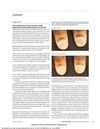
December 2015 in “JAMA Dermatology” Tofacitinib citrate improved nail dystrophy and pain in patients with alopecia universalis without causing side effects.
2 citations
,
March 2026 in “Journal of Dermatological Treatment” This study found that JAK inhibitors used to treat alopecia areata have varied safety profiles, with different adverse events associated with each drug; tofacitinib and ruxolitinib had earlier onset of events, while baricitinib and ritlecitinib showed distinct delayed patterns.
 6 citations
,
April 2013 in “International Journal of Dermatology”
6 citations
,
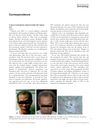
April 2013 in “International Journal of Dermatology” This correspondence article discusses a case of androgenetic alopecia treated with valproic acid but does not present new clinical findings.
2 citations
,
July 2025 in “RMD Open” This study found that IL-1 blockers are effective for SURF and identified predictors of colchicine resistance, emphasizing the need for refined diagnostic criteria and personalized treatment due to the heterogeneity observed within SURF.
11 citations
,
July 1984 in “Australian Veterinary Journal” This study found that povidone iodine, thiabendazole ointment, captan ointment, and Burroughs Wellcome Ringworm Ointment were effective against Trichophyton equinum var. autotrophicum in horses, but large-scale use may be limited by practicality and cost.
December 2006 in “Cancer Epidemiology and Prevention Biomarkers” This review highlights the low uptake of tamoxifen and finasteride for cancer chemoprevention in primary care, citing various barriers and indicating a need for safer, more affordable options.