 85 citations
,
May 2019 in “Journal of neuroendocrinology”
85 citations
,
May 2019 in “Journal of neuroendocrinology” This review examines the neuroendocrine mechanisms underlying seasonal changes in mammals and highlights areas needing further research, reporting no new experimental results.
2 citations
,
July 2019 in “PeerJ” This study found that the vitamin D receptor plays a crucial role in hair follicle development in cashmere goats by regulating signaling pathways in dermal papilla cells.
 March 2024 in “Journal of Endocrinological Investigation”
 This study on male rats found that finasteride treatment led to the differential expression of several genes in the hypothalamus and hippocampus, hinting at potential links to observed side effects like depression, anxiety, and cognitive disturbances.
 97 citations
,
March 2009 in “Dermato-endocrinology”
97 citations
,
March 2009 in “Dermato-endocrinology” This review explores the role of hormones in pilosebaceous units and associated skin disorders, focusing on androgen action, without presenting new clinical findings.
 27 citations
,
April 2017 in “British Journal of Dermatology”
27 citations
,
April 2017 in “British Journal of Dermatology” This study identified overexpression of certain immune-related genes and underexpression of genes in specific signaling pathways in premature androgenetic alopecia, suggesting potential new therapeutic targets.
 22 citations
,
March 2012 in “Molecular Medicine Reports”
22 citations
,
March 2012 in “Molecular Medicine Reports” This study found that DHT treatment led to reduced cell growth, increased cell death, cell cycle arrest, ROS production, and senescence in normal human dermal papilla cells, potentially mediated by altered miRNA expression.
 20 citations
,
June 2010 in “Genes and Immunity”
20 citations
,
June 2010 in “Genes and Immunity” This study found distinct gene expression patterns in the blood of alopecia areata patients, suggesting involvement of immune processes and new pathways like Wnt signaling and apoptosis in disease pathogenesis.
 7 citations
,
August 2022 in “Nature communications”
7 citations
,
August 2022 in “Nature communications” This study found that Thy1+ keratinocytes in the basal layer of the interfollicular epidermis play a crucial role in epidermal homeostasis and wound repair, with their ablation impairing these processes.
 1 citations
,
June 2012 in “Springer eBooks”
1 citations
,
June 2012 in “Springer eBooks” This article discusses the potential of acupuncture as a complementary or alternative therapy for PCOS, highlighting experimental evidence of its positive effects on reproductive and metabolic function, but reports no new clinical results.
 June 2022 in “Journal of the Liaquat University of Medical and Health Sciences”
 This study investigated the relationship between lichen planus and dyslipidemia but did not report any clinical findings.
 January 2017 in “Acta dermato-venereologica”
 The congress showed that psychological therapy can help skin condition patients, social media affects acne stigma, education improves atopic dermatitis, and patient satisfaction in dermatology is high, especially with good doctor engagement.

This study found that fetal canine hair follicle-derived stem cells exhibited pluripotency markers, suggesting potential for therapeutic applications in hair and skin repair.
 November 2025 in “Clinical Cosmetic and Investigational Dermatology”
 This study found that a combination of five medicinal plants traditionally used in Chinese medicine significantly improved skin repair and delayed aging markers in laboratory models, suggesting synergistic anti-aging effects over individual ingredients.
 August 2025 in “MedScien”
 This study highlights factors contributing to increasing seborrheic alopecia among teenagers, including hormonal, lifestyle, and psychological influences, and suggests integrated treatment strategies including medication, lifestyle adjustments, and psychological interventions.
 88 citations
,
January 2019 in “Journal of Tissue Engineering and Regenerative Medicine”
88 citations
,
January 2019 in “Journal of Tissue Engineering and Regenerative Medicine” This review discusses current uses and advancements in mesenchymal stem cell-derived conditioned media as a potential regenerative therapy but does not present new clinical findings.
 46 citations
,
December 2001 in “Journal of Endocrinology/Journal of endocrinology”
46 citations
,
December 2001 in “Journal of Endocrinology/Journal of endocrinology” This study found that mouse FLRG protein, a secreted glycoprotein, is expressed in certain tissues and plays a role distinct from follistatin during wound healing, suggesting different functions in vivo.
28 citations
,
June 2023 in “Small” In this study, VVF was found to be a highly variable and unreliable measure of void space in granular scaffolds, sensitive to various input parameters and less predictive than particle count.
15 citations
,
March 2007 in “BioTechniques” This study introduced a new in vivo angiogenesis assay using Gelfoam implanted in ND-GFP transgenic mice to efficiently identify angiogenesis stimulators and inhibitors through GFP visualization.
6 citations
,
October 2023 in “Animal Biotechnology” This study found that a 22-bp InDel polymorphism in the FGF7 gene was significantly associated with growth traits in goats, with genotypes ID and/or II linked to better growth compared to genotype DD, indicating its potential as a molecular marker in breeding programs.
 4 citations
,
April 2018 in “Biotechnology Letters”
4 citations
,
April 2018 in “Biotechnology Letters” Human growth factor 20 can boost mouse whisker growth.
1 citations
,
January 2019 in “PubMed” This study found that transgenic mice expressing cgVEGF164 had increased hair follicle diameter and density, potentially linked to higher phosphorylation levels of ERK1/2, AKT1, and LEF1 proteins.
 1 citations
,
August 2014 in “Asian-Australasian Journal of Animal Sciences”
1 citations
,
August 2014 in “Asian-Australasian Journal of Animal Sciences” In this study, recombinant goat VEGF164 increased hair growth when applied to the skin of shaved mice.
 12 citations
,
January 2021 in “International Journal of Biological Sciences”
12 citations
,
January 2021 in “International Journal of Biological Sciences” This study generated a gene-edited cashmere goat with improved cashmere yield and fiber length by integrating VEGF at the FGF5 site, offering insights into hair growth mechanisms.
 103 citations
,
June 2018 in “International Journal of Molecular Sciences”
103 citations
,
June 2018 in “International Journal of Molecular Sciences” This review discusses the applications and research on fibroblast growth factors, including their use in wound healing, diabetes, and cancer, but it reports no new clinical results.
1 citations
,
January 2013 in “China Animal Husbandry & Veterinary Medicine” This study found a strong positive correlation between vascular endothelial growth factor expression and microvessel density in the hair follicles of Liaoning cashmere goats during different fetal periods.
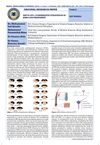 November 2025 in “PARIPEX-INDIAN JOURNAL OF RESEARCH”
 GFC is more effective than PRP for treating hair loss.
 24 citations
,
July 1994 in “Molecular Endocrinology”
24 citations
,
July 1994 in “Molecular Endocrinology” Researchers found an RNA transcript that might help control a growth factor linked to tumor development.
 42 citations
,
September 2015 in “Gene”
42 citations
,
September 2015 in “Gene” This study demonstrated that FGF5s acts as an inhibitor of FGF5 in regulating hair growth cycles in cashmere goat dermal papilla cells.
4 citations
,
January 2013 in “Genetics and Molecular Research” This study found that VEGF expression and microvessel density in hair follicles of Liaoning cashmere goats follow a bimodal pattern correlated with hair development throughout the year.
 13 citations
,
March 2020 in “Genes”
13 citations
,
March 2020 in “Genes” This study found that FGF5-/- rabbits exhibited a significant long hair phenotype by prolonging the anagen phase, suggesting FGF5 acts as a negative regulator of hair growth.