 11 citations
,
August 2018 in “Medicine”
11 citations
,
August 2018 in “Medicine” This study found that college students with androgenetic alopecia exhibited higher levels of various psychological symptoms compared to those without AGA, with medical and art students showing particularly elevated symptoms.
 9 citations
,
October 2012 in “Natural Product Communications”
9 citations
,
October 2012 in “Natural Product Communications” This study analyzed the essential oil from Chamaecyparis lawsoniana and found that it is rich in limonene and exhibits antibacterial and antifungal properties, particularly against Candida albicans and certain Gram-positive bacteria.
 9 citations
,
January 1966 in “Economic botany”
9 citations
,
January 1966 in “Economic botany” Plant-based ingredients in hair care are being replaced by synthetic alternatives.
 8 citations
,
September 2017 in “Journal of Natural Medicines”
8 citations
,
September 2017 in “Journal of Natural Medicines” This study reported that the n-butanol fraction of Perilla frutescens extract, particularly rosmarinic acid, showed potential for hair regrowth and anti-androgenic activity in male mice, suggesting it as a possible treatment for androgenetic alopecia.
 6 citations
,
July 2023 in “Nature cell biology”
6 citations
,
July 2023 in “Nature cell biology” In this study, re-activating SOX9 in adult epidermal stem cells led to a fate switch towards hair follicle stem cell identity, with altered chromatin dynamics and oncogenic activation, contributing insights into developmental processes and cancer pathways.
 4 citations
,
October 2016
4 citations
,
October 2016 This source describes the potential of various herbal treatments, such as aloe vera and amla, as natural alternatives for managing hair loss and enhancing hair health, noting their benefits include fewer side effects, affordability, and multiple application methods.
 4 citations
,
May 2014 in “International Journal of Research in Ayurveda and Pharmacy”
4 citations
,
May 2014 in “International Journal of Research in Ayurveda and Pharmacy” This study documented the traditional medicinal uses of 60 plant species in Kolli Hills, India, highlighting their importance in the healthcare of the local tribal community.
 1 citations
,
January 2024 in “International Journal of Advanced Research in Science, Communication and Technology”
1 citations
,
January 2024 in “International Journal of Advanced Research in Science, Communication and Technology” This review article highlights the potential benefits of herbal remedies for hair loss, suggesting that formulating hair scrubs from herbal ingredients may effectively prevent and treat hair problems by improving self-confidence and self-esteem.
 1 citations
,
September 2022 in “Anatomía Digital”
1 citations
,
September 2022 in “Anatomía Digital” In this study, topical application of Neem oil on cats with dermatophytosis significantly improved the appearance of skin and fur, with the best results occurring after 15 to 20 consecutive days of treatment.
 1 citations
,
March 2022 in “Journal of Ayurvedic and Herbal Medicine”
1 citations
,
March 2022 in “Journal of Ayurvedic and Herbal Medicine” This study documents the therapeutic uses of 15 plant species for various ailments in the Bondla area of Goa, drawing on knowledge from local healers and elderly residents.
 1 citations
,
March 2019 in “International Journal of Current Pharmaceutical Research”
1 citations
,
March 2019 in “International Journal of Current Pharmaceutical Research” This study found that oil extracts from the plants Hedyotis corymbosa, Inula racemose, and Holostemma adakodien demonstrated significant antibacterial and antifungal activity in vitro compared to standard antibiotics and antifungals.
 1 citations
,
July 2016 in “International Journal of Research in Ayurveda and Pharmacy”
1 citations
,
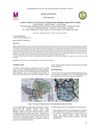
July 2016 in “International Journal of Research in Ayurveda and Pharmacy” This study revealed that 44.48% of people in Ghaziabad are familiar with common herbal medicines, with lower awareness of lesser-known options, prompting the creation of an educational package.
 April 2026 in “Frontiers in Pharmacology”
 In this study, a comprehensive literature review identified 181 plant species traditionally used for hemorrhoid treatment in Thailand, highlighting key species with pharmacological activities such as anti-inflammatory and analgesic effects, which are poised for potential pharmaceutical development.
 February 2026 in “International Journal on Science and Technology”
 This review discusses the potential benefits of Vitex negundo for managing polycystic ovarian disease, highlighting its promising effects in animal models, but notes that more rigorous human trials are needed to confirm these findings.
 January 2026 in “Food and Feed Research”
 This review highlights the traditional medicinal uses, phytochemical composition, and pharmacological properties of Musa paradisiaca, noting its applications in treating diarrhea and other conditions, and identifying key bioactive compounds with antimicrobial, antioxidant, and other bioactivities through in vitro and in vivo studies.
 January 2026 in “RSC Advances”
 This study used a zebrafish model and advanced mass spectrometry to identify 11 metabolites of epristeride, revealing significant effects on purine metabolism and aromatic amino acid biosynthesis, which may aid in developing anti-doping detection methods.
 December 2025 in “Ciencia Latina Revista Científica Multidisciplinar”
 In this systematic review, researchers found that nanotopical systems like nanoparticles and liposomes significantly improved hair density, thickness, and follicular regeneration markers in alopecia treatment, sometimes surpassing traditional therapies like topical minoxidil, though methodological limitations remain such as insufficient long-term clinical trials.
 July 2025 in “Journal of Pharmacognosy and Phytochemistry”
 This review explores the potential benefits of plant-based diets, herbal remedies, and phytochemicals for managing PCOS, suggesting they may help regulate menstrual cycles, improve metabolic parameters, and reduce androgen levels, offering a promising, holistic approach to treatment.
 May 2025 in “ID on line REVISTA DE PSICOLOGIA”
 This study evaluated the effects of pumpkin seed oil and rosemary essential oil combined with electrotherapy on androgenetic alopecia in stressed young women, finding no statistically significant differences between treatment groups and suggesting further research is needed to assess the oils' efficacy.
 November 2024 in “International Journal of Plant and Environment”
 This study analyzed Sphenodesme involucrata var. paniculata leaves and found high carbohydrate and calcium content, along with several bioactive compounds, supporting their use in traditional medicine for their nutrient-rich properties.
 February 2024 in “Trends in Sciences”
 This study examined the stability of two 5α-reductase inhibitors in Tectona grandis extracts, finding that they are more stable in acidic environments and degrade rapidly under heat and light unless protected, suggesting the need for careful storage when developing anti-hair loss medications.
 December 2023 in “Research in pharmacy”
 This review underscores the importance of phytotherapeutic compounds and adjuncts in managing polycystic ovarian syndrome but does not present new clinical evidence.
 October 2023 in “International journal of research in Ayurveda and pharmacy”
 This review found that the ingredients of Keedari thailam, a traditional Siddha formulation used for alopecia areata, exhibit antimicrobial, anti-inflammatory, and other pharmacological activities, suggesting potential therapeutic benefits according to recent research and Siddha literature.
 July 2023 in “International journal of pharmacognosy and life science”
 This study explores the development of a herbal hair oil formulation using selected herbs to potentially address hair loss and related issues, as an alternative to synthetic medications that may cause serious side effects and offer limited effectiveness.
 March 2023 in “Journal of pharmacognosy and phytochemistry”
 This study identified numerous nutraceutical components in unripe fruits of three Musa species, potentially valuable for developing pharmaceuticals that promote human health.
 January 2023 in “International Journal of Research Publication and Reviews”
 This review details the causes, symptoms, and treatments for dandruff, emphasizing herbal ingredients with anti-dandruff properties used in shampoos and exploring their antifungal and anti-inflammatory mechanisms. It highlights dandruff's exploitation by personal care companies due to the lack of medical interventions.
 September 2019 in “Asian Journal of Pharmaceutical and Clinical Research”
 In this study, researchers found that the methanolic seed extract of Tectona grandis, known for its use in traditional medicine, demonstrated strong analgesic properties in Swiss albino mice, being effective at doses of 200–250 mg/kg and safe up to 1000 mg/kg.
 January 2012 in “Human health handbooks”
 This article explores the role of ethno-medicinal plants in hair growth and loss treatments but reports no new clinical findings, highlighting Ayurveda's long-standing use in addressing hair-related issues.
44 citations
,
May 2008 in “Plant journal” This study found that D'orenone blocks root hair growth by increasing PIN2 protein abundance, leading to reduced auxin concentration, but external auxin can reverse these effects.
January 2006 in “Benzina: Revista d'excepcions culturals” This study observed that new trienone compounds consistently showed higher 5alpha-reductase inhibitory activity compared to corresponding dienones across various biological models.